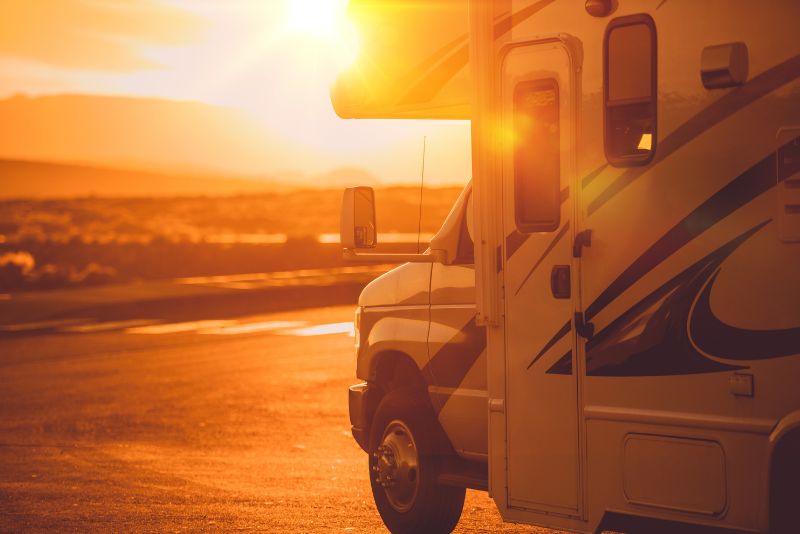
Author: Pawel Sinilo

  • Thinking of buying a motorhome? Our Top Tips!

    Thinking of buying a motorhome? Our Top Tips!

    The holiday season is approaching and many of us are weighing up our staycation options, and considering whether to purchase a caravan, motorhome, campervan or tent for the holidays.

    The motorhome has long been a national treasure – from the super-luxe, super-sized custom motorhomes to the humble two-berth, there was plenty to be tempted by at this year’s Caravan, Camping and Motorhome show at the NEC, attended by our motorhome specialists Motorhome Direct.

    But if you’re new to owning a motorhome, what do you need to know to make a start… and where do you start?

    New to motorhomes?

    Unlike flying abroad, or driving to a location to begin your holiday, a motorhome holiday starts as soon as you set off. But for the uninitiated, this can suddenly feel a little overwhelming. Thanks to several conversations held at the Caravan, Camping and Motorhome show, we’ve compiled some helpful tips to help motorhome newbies hit the road with confidence!
    1. Consider renting a motorhome initially – it’s a big expense, so take a few trips in a rental to make sure it really is for you before you commit.
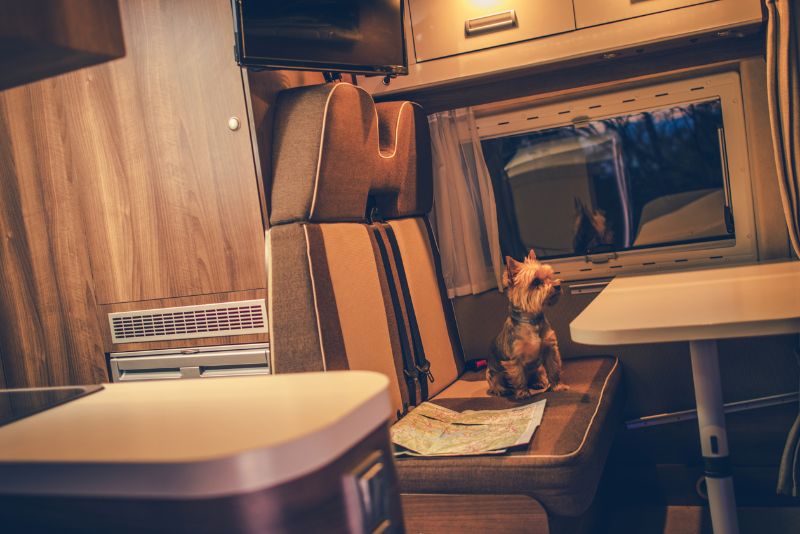
    2. Try different configurations and sizes – some have separate bedrooms, others don’t, some have full kitchens, others contain kitchenettes, and some of you may need to think about a nook for the dog bed. Yes, they come in all shapes and sizes, so it’s worth testing a few on some short breaks.
    3. Awnings can be expensive but could triple your space – another good reason to rent one with and without an awning to find out if it’s something you’d enjoy having.
    4. Always test the size and comfort of the bed before you drive away!
    5. Know that it’ll take around an hour to adjust to driving a motorhome. Take the pressure off – you won’t know it all and will be learning as you go.
    6. For your first trip, stay local and get comfortable. Don’t be too ambitious and plan to tour the Scottish 500 from the moment you pick up your motorhome, as tempting as it is.
    7. Find out how to turn all the lights on before it gets dark – there is usually a control panel near the door which is much easier to find when you can see it.
    8. Test the heating – make sure you know how it works before you set off, otherwise you could be in for a very chilly first night.
    9. Paul Merton’s top tip, repeated several times, was “make sure you know the height of the vehicle and write it down and leave it on the dashboard, followed by “if signs says ‘not suitable for motorhomes’, believe it!”. We believe him.
    10. Learn how to ‘level up’ – there are many different accessories available to make the level up easier. You can start by asking your motorhome centre to explain what ‘chocks’ are, which can prevent your motorhome from leaning to one side. There are plenty of YouTube videos you can also watch in advance. 
    11. Take bicycles – once you’re parked and just need to pop out for a pint of milk, you’ll have a handy bicycle available to nip to the shop.
    12. Don’t overpack – start small! You also won’t need an extra leisure battery or gas cannisters for your first trip. It’s a small space so any clutter can have a big impact on your comfort.
    13. Don’t travel with valuables – keep your expensive jewellery and gadgets at home and only travel with what you need.
    14. Get to know the community – by trialing pitches, even just locally, you’ll get to know more about the scene and pick up all sorts of handy tips from fellow enthusiasts.
    15. Expect visitors – the community is very sociable and only too happy to show you around their motorhome and find out how yours differs from theirs.
    16. Don’t be worried or embarrassed about making a mistake – you’ll find those who own a motorhome are quite a relaxed bunch and on-hand to help, whether in person, in a Facebook community group or via handy YouTube videos! Something tells us they’ve been through it all before… 
    Once you have an idea of the type of motorhome that is most likely to fit your budget and lifestyle, you can start to look at the running costs, including insurance, so spend some time finding out all you can prior to purchase.

    Our motorhome specialists are not only enthusiasts themselves, but they have relationships with numerous motorhome dealerships, so can be a great starting point if you have any questions surrounding your new ‘home from home’. They can talk you through motorhome insurance (for example, does standard insurance cover awnings and valuables?), and what happens if you break down, as well offering handy vehicle tips!  

    Much like any motoring scene, the key is in the community it brings and the openness in sharing information, from maintenance to the best places to go. So, get out there, ask questions and start having fun!
  • Motorhome theft to meet the growing demand

    Motorhome theft to meet the growing demand

    We’re heading into motorhome, campervan, and caravan theft high season, now with an influx of motorhomes purchased during the pandemic and lockdown.

    The number of people buying caravans and campers has increased by 20%, while ‘caravans for sale’ as an online search is up 200% in the past 12 months!

    Recent research undertaken by GPS specialists, Trackershop, has highlighted that new motorhome owners may not be taking the precautions needed to protect their assets. Without tracking, and unlike vehicles, motorhomes are rarely recovered due to identity markings being removed.

    Looking to buy a motorhome? = A-Plan Insurance

    In 2020 caravan and motorhome thefts increased significantly with more than £1M worth of stolen vehicles recovered by one tracking specialist alone. The increase in motorhome theft is due to this demand and supply, much like the high-end luxury car market which is specifically targeted.

    Thieves are aware of how easy it is to steal a motorhome when it is not in use. Keys are not needed with many vehicles, and computer gadgetry underpinning modern vehicles can be used to bypass ignition systems. Earlier this year, a £35,000 motorhome was stolen and used to ram police in Carlisle. Thankfully the perpetrators are behind bars but, although this one made the headlines, motorhome theft is not an isolated incident. UKCampsite.co.uk lists plenty of stolen motorhomes and campers to keep an eye open for.

    Security for your motorhome is an essential part of remaining a happy camper this summer! Whether you’re a newbie, or could use a refresher, we hope these insights may help.  

    Motorhome security

    Lock down your motorhome - A-Plan Insurance
    Lock down your motorhome – A-Plan Insurance

    Motorhome keys

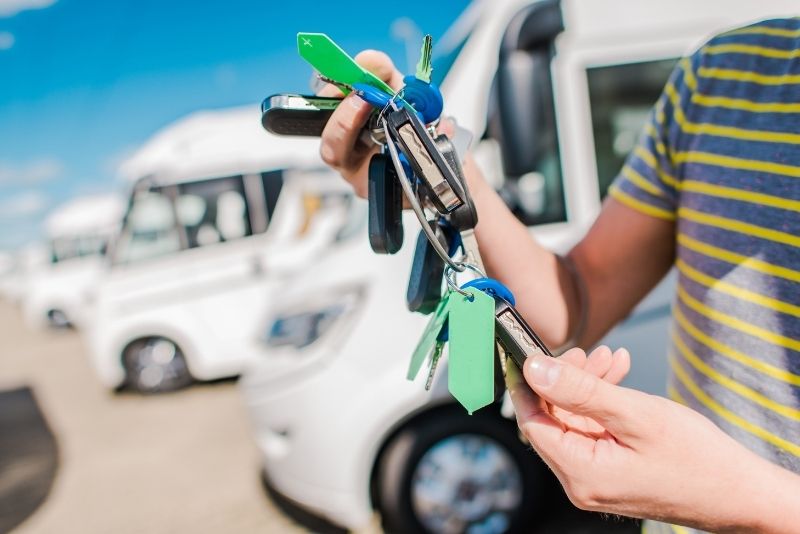
    Rule 101: never leave your vehicle keys in your motorhome when it is unattended, as this could invalidate your insurance, and you will not be covered for loss or damage due to theft.

    Motorhome security locks

    It seems obvious, but the longer it takes for a thief to gain entry, the least likely they are to steal anything. Standard locks, especially on older campervans, are easily broken. Upgrade your locks with a van lock plate to improve the locking system. Alternatively, you could install a deadlock.

    Motorhome security devices

    Most motorhomes only come with remote locking and an immobiliser as a security system. If your motorhome doesn’t come with one as standard, it makes sense to have one installed. This works alongside your alarm and prevents thieves from driving away in your motorhome. The immobiliser will automatically activate each time you switch off your engine.

    Audible deterrents like sounding alarms are great for attempted theft, so if you’re looking to improve your motorhome security, consider installing an upgraded alarm system – and take your security up to the highest level of Thatcham Category 1.

    Motorhome GPS system

    Trackers are a highly popular security device as they allow you to always monitor your motorhome’s location, via your computer or phone (trackers will need a SIM card to work). The tracker can notify you if doors have been opened or the engine started, making it much easier to alert the police while the crime is taking place.

    They also prove very beneficial if your vehicle does get stolen, as there’s a higher chance of it being recovered and returned safely to you as quickly as possible – it’s estimated that they can offer up to a 95% recovery rate.

    Should I buy a motorhome? - A-Plan Insurance

    Trackers are certainly worth considering you keep your motorhome in a storage facility. They enable you to keep a virtual eye on your vehicle and alert you should somebody try to steal it. Although trackers are costly, they do provide better protection. If you are likely to keep your motorhome in storage for some time, consider a solar battery charger to prevent it from draining your battery.

    Motorhome safe box

    Like cars, motorhomes can be broken into because something valuable is left on display. Avoid a crime of opportunity and minimise what people can see from the outside. From phone chargers to phone cables, tablets or sat-nav, or even cash left on the side, lock it up safely or take it with you when you can.

    Motorhome insurance

    It’s important to address common questions surrounding motorhome insurance.

    Do I need specialist insurance to drive a motorhome or campervan?

    Yes. Your car insurance will not cover you to drive a motorhome, and you will use your motorhome for different activities to that of your car, to include sleeping in it, cooking and more. Speak to a broker about the right cover for your experience, make and model, in addition to protecting your contents.

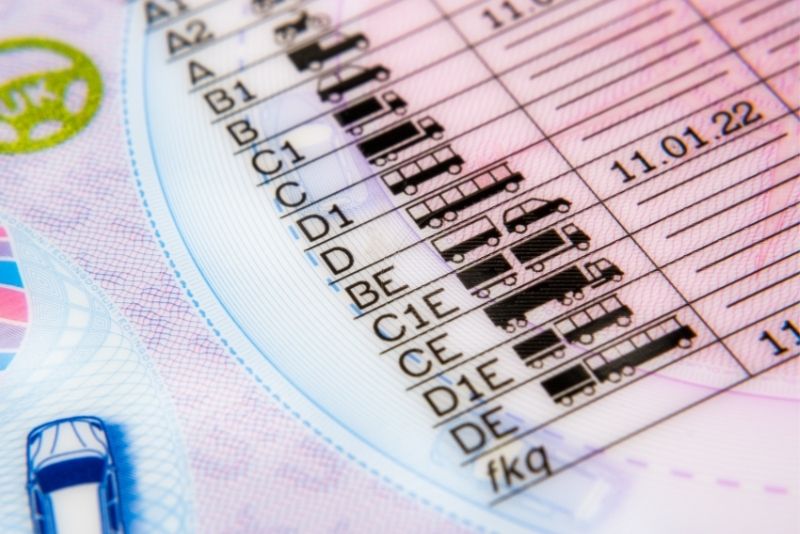
    You will also need to check that your driving licence permits you to drive the size motorhome you require. If you passed your test before 1997, you would have a C1 entitlement which allows you to drive a motorhome up to 7,500kg in weight. Those who passed after 1997 will be able to drive a motorhome up to 3,500kg in weight, plus a 750kg trailer.

    Do I need insurance while my motorhome is in storage?

    If you are not planning to use your motorhome for a while, you can supply the DVLA with a ‘Statutory Off Road Notification’ (SORN) which means that the owner isn’t liable to pay road tax. Vehicles can only be ‘SORNed’ if they are kept off the road, such as on a driveway or on private property, including a campervan storage facility.

    Whilst it’s not a legal requirement to insure a vehicle that has been SORNed, motorhomes can become prime targets for thieves during periods of inactivity – and you won’t be covered in the event of theft, flood or fire, or even accidental damage. We would always recommend insuring your motorhome even if your vehicle is not being used.

    Most important is your peace of mind while enjoying your adventures, where the only thing you need to worry about is the weather!

    If you are considering buying a motorhome and would like to get an idea of the best ways to protect it in advance, or are an owner of a motorhome, camper or caravan, and would like to speak to our specialists, get in touch with your local branch who will be more than happy to answer any questions you may have.

  • Buying a Motorhome in the UK: Your complete guides with Pros & Cons

    Buying a Motorhome in the UK: Your complete guides with Pros & Cons

    The Caravan and Motorhome Club previously said, at the end of 2020, that the 2021 lifting of restrictions would be like ‘a cork popping from a bottle’ for staycations. And that prediction couldn’t have been more accurate.

    With more of us still choosing a staycation over international travel, there has been an increased demand for motorhomes and campervans, by an entirely new crowd (and their dogs).

    However, you’re here because you’re wondering; Should I buy a campervan or a motorhome?

    If you are looking to be part of the scene, here are some important things to know, including the pros and cons of buying a motorhome in the UK

    .   

    Is now a good time to buy a motorhome?

    Much like the current boom in the used car market, pushing the values of some cars up, the motorhome industry is also affected. The reason for the price increase is the same, demand.

    Why are motorhome prices so high? - A-Plan Insurance

    The demographic has changed, with more under-40’s keen to join the club, along with new pet owners as so many bought a dog during COVID.

    Although some international travel restrictions have eased, many are still preferring to holiday ‘at home’ due to the ever-changing rules and regulations, let alone the lower risk of catching COVID in your own holiday home, parked in the great outdoors.

    Conversely, international travel is now an option, and Tui has confirmed that summer 2022 bookings are already 20% higher than in 2019. This could mean that some sell their motorhomes or campervans as they take fewer UK breaks.

    Is it wise to buy a motorhome?

    It’s a tough one to call, as our eagerness to escape may be hindered by the increasing cost of living, which could see motorhomes entering the market for resale, and prices lower as a result, or further demand as less people are willing to pay to travel abroad.

    Either way, it is worth noting that, if you are considering buying a motorhome in the UK as an investment, they do not depreciate in value at same rate as cars.

    What type of motorhome should I buy?

    It all depends on your personal requirements. While the classic VW campervan may be a firm favourite with vintage enthusiasts, there are plenty of modern-day alternatives if you like your home comforts. These points are worth considering before owning a motorhome.

    How often will you use your motorhome?

    Paying £30,000 for a used motorhome, and only using it once a year wouldn’t be a sensible option, unless that once a year was several months spent touring Europe.

    However, if you are planning to use it regularly, it could be a worthwhile investment. Choosing a mobile home made by a well-known manufacturer such as Auto-Sleeper or Swift typically means a lower depreciation rate. It may also be an option to share one, splitting the investment with family members or friends, but don’t forget that each party needs their own insurance.

    How many are you likely to travel with?

    If you’re travelling with your family and need extra bed space, or you don’t want to have to make the bed up each night, you might want to consider an over-cab bed motorhome, which has fixed a double bed over the cab.

    Do you want an onboard toilet?

    A 'coachbuilt' type motorhome - A-Plan Insurance
    A ‘coachbuilt’ type motorhome – A-Plan Insurance

    Or would you be happy to use campsite facilities? You won’t find a toilet or shower in a VW campervan!

    If this is a must, again, the popular ‘Coachbuilt’ style of motorhome which incorporates everything you would expect to find at home, could be a better option.

    Is an onboard kitchen important?

    Some prefer to eat at local restaurants or cook outside, others prefer the comfort of the home kitchen. If you’re of the latter and, depending on the number of people you are travelling with, consider whether you need a 2 or 4 ring hob, a fridge freezer and cupboard space.

    Using your motorhome year-round?

    If so, you’ll need decent heating, and an insulated water system that can handle sub-zero temperatures. Similarly, if you’re planning to travel into Europe over the summer, air conditioning would be a sensible feature to look for (some earlier models may not have this).

    Bells and whistles?

    You might want to extend your living space by adding an awning, or take bikes or even a small car with you, requiring towing or racks, and in each case, you’ll need a motorhome that can accommodate these preferences.

    An A-class or the even bigger American-style RV offer a more luxurious mobile home experience, with high-end fittings and fixtures. The downside is that the price tags are considerably higher and they’re much bulkier, making them more difficult to park and house.

    Can I drive a motorhome on a car licence?

    This is determined by the weight of the vehicle. The easiest way to work this out is to cross-reference your V5c log book with the entitlements on the back of your driving licence (note that the official weight of the vehicle is determined by your V5c, not how much you intend to put in it):

    • To drive a motorhome under 3.5 tonnes (Category B and B1), you can use your standard driving licence.
    • To drive a motorhome between 3.5 to 7.5 tonnes, you’ll need a Category C1 entitlement.
    • For those over 7.5 tonnes you’ll need a Category C entitlement.

    The majority of UK motorhomes will fall under the B/B1 category, which features on a standard driving licence. Those who passed their driving tests prior to 1997 are likely to have the Category C1 entitlement.

    Do motorhomes need an MOT?

    After the age of 3, motorhomes will need an annual MOT. Fortunately, the costs are comparable to that of regular cars. If you don’t have an MOT, you can be fined just like you would be for a regular car.

    You will also need to obtain an annual service for your motorhome to check things like water, gas, electrical and heating systems, in addition to safety checks to onboard appliances.

    Joining a club, like the Camping and Caravanning Club, gives you access to recommended testers and approved workshops.

    How much is road tax for a motorhome?

    When the motorhome was registered, it’s engine size and the weight and the areas it’s drive (i.e. Clean Air Zones) are all factors which influence the price of the road tax.

    Therefore, costs can vary, but on average motorhome owners can expect to pay between £150 and £300 each year.

    You can find out more about the specifics around motorhome road tax on the UK government’s website.

    Will used motorhome prices drop in 2023 in the UK?

    The cost of owning a motorhome in the UK is not expected to fall in 2023. Motorhome prices have actually risen across 2022, with both new and second-hand vehicles seemingly being advertised for higher fees.

    The travel industry re-opening and being more flexible is contributing has put motorhomes in higher demand, thus causing further RV price increases.

    What is motorhome insurance?

    Much like choosing your style of motorhome, so too will you need to choose your style of motorhome insurance. Premiums and cover will depend on whether you intend to travel in the UK or across Europe, whether you use it regularly or just once or twice a year

    Whether you are a seasoned camper or new to the scene, the A-Plan team has 40 years’ experience in insuring motorhomes. Contact your local branch here, they will be happy to help.