
As 2025 draws to a close and the festive season begins, it’s time for one of our favourite traditions: looking back at the cars that have taken their final bow. This year, the automotive world said goodbye to some true legends – from British icons to global favourites – all casualties of changing consumer tastes and the relentless march toward electrification. For UK drivers, collectors, and motor trade professionals, these departures mark a turning point in automotive history.
Why are so many cars disappearing?
The short answer: electrification and changing consumer habits. Governments across Europe, including the UK, have set ambitious targets for phasing out petrol and diesel cars, with 2035 looming as the deadline for new ICE (internal combustion engine) sales. Manufacturers are responding by streamlining lineups, cutting slower-selling models, and investing heavily in EV platforms. Add in the rise of SUVs and crossovers, and traditional coupes, saloons, plus niche models are increasingly squeezed out.
Farewell to UK icons and familiar faces
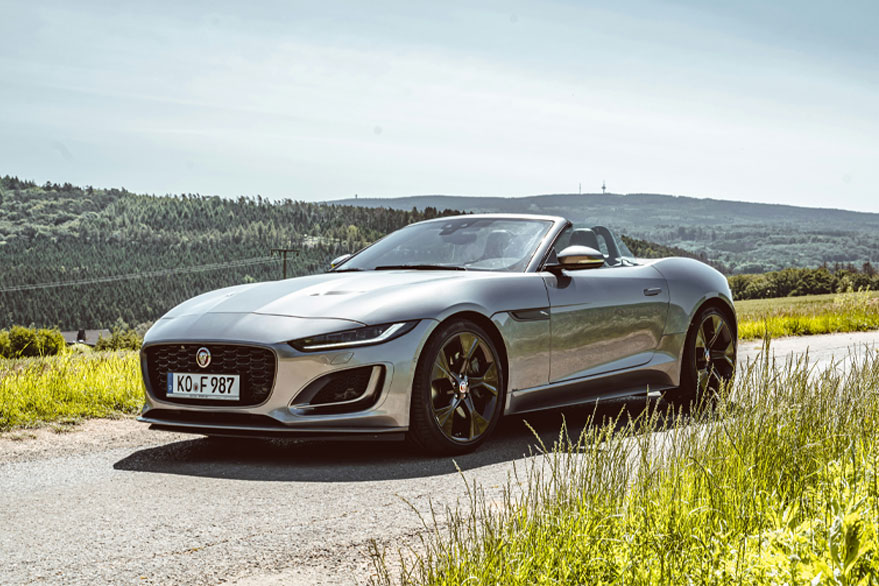
1. Jaguar F-Type – the end of British petrol performance
The F-Type’s departure is particularly poignant for UK enthusiasts. Since debuting in 2013, it’s carried the torch for Jaguar’s sports car heritage, offering a blend of elegance and raw performance, with its crackling V8 soundtrack becoming a hallmark of British motoring passion. With Jaguar committing to an all-electric lineup by 2025, the F-Type’s exit feels like the closing chapter of a glorious era. For collectors, this model is destined to become a future classic.
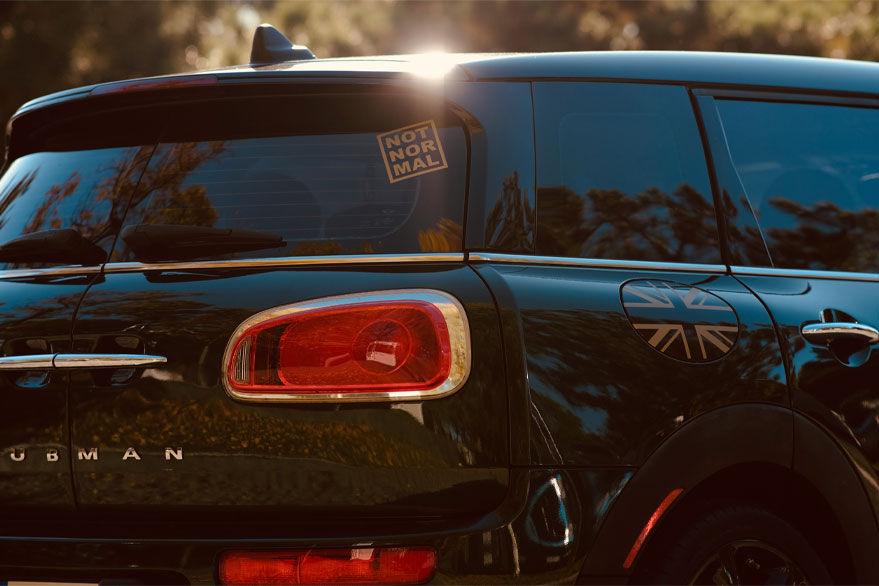
2. Mini Clubman – quirky charm bows out
The Clubman was never the biggest seller, but it created out a unique space among UK drivers who wanted something practical yet stylish. Its split rear doors and premium interior made it stand out in a crowded market. As Mini pivots toward EVs, the Clubman departs quietly, leaving fans nostalgic for its characterful design. Expect the next generation of Minis to be fully electric, with the brand doubling down on sustainability.
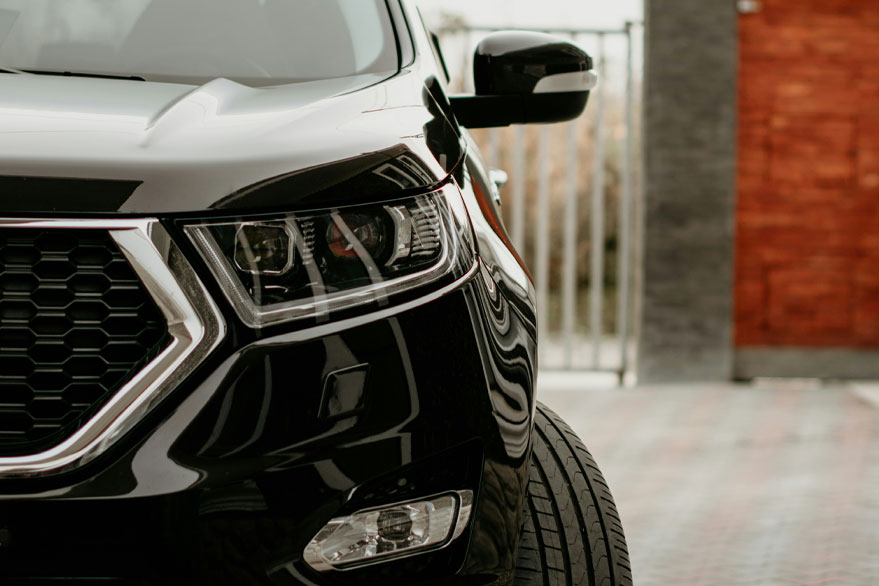
3. Ford Edge – a global SUV that never quite fitted
The Edge was a transatlantic import that found modest success in the UK. Larger than the Kuga but smaller than the Explorer, it appealed to families seeking space and comfort. However, as Ford focuses on EVs like the Mustang Mach-E and trims its global lineup, the Edge has been unable to justify its place. UK buyers will now look to electrified alternatives for their SUV needs.
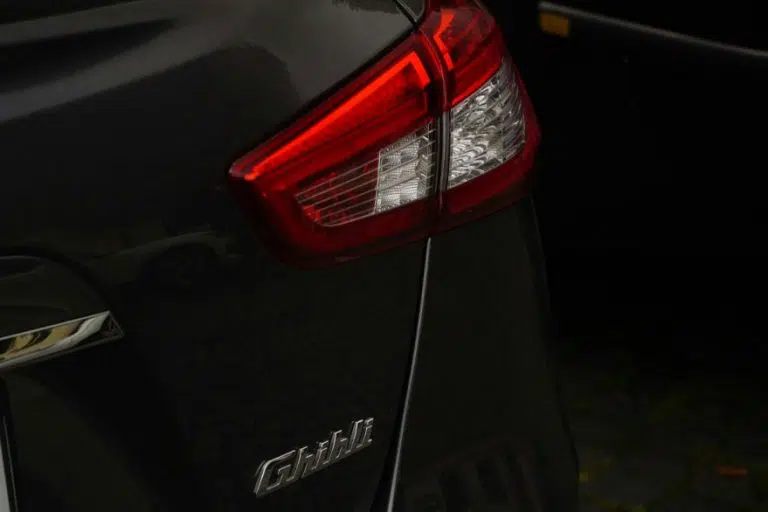
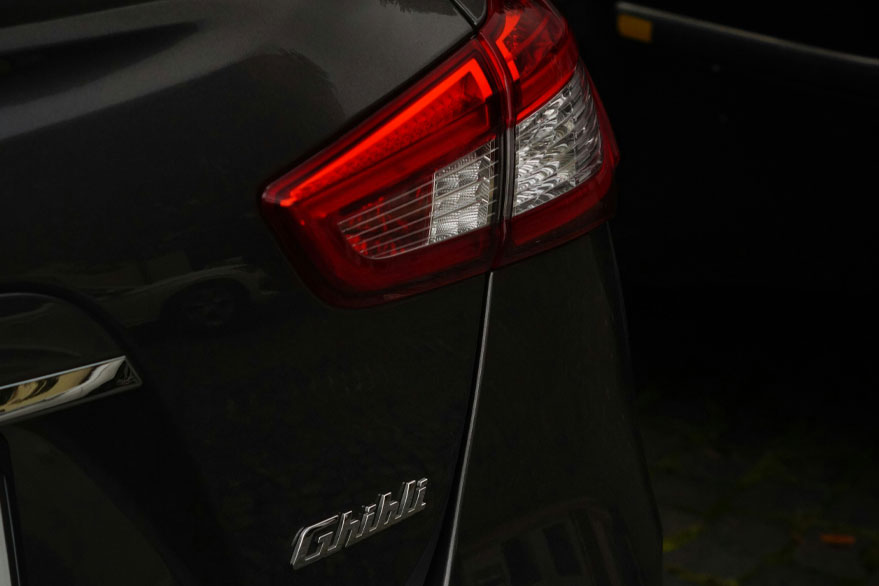
4. Maserati Ghibli – Italian elegance fades
The Ghibli brought Italian flair to UK roads, offering a slick, chic alternative to German saloons. Despite recent Trofeo performance variants, sales never soared. Maserati’s future lies in electrified luxury, with models like the GranTurismo Folgore leading the charge. For UK enthusiasts, the Ghibli’s exit signals the end of an era of petrol-powered Italian sophistication.
Global farewells that UK enthusiasts care about
Even if some of these models weren’t common on UK roads, they hold a special place in the hearts of collectors and performance fans:
- Chevrolet Camaro – a muscle car legend adored by UK import fans. Its departure marks the end of petrol-powered American icons
- Nissan GT-R – “Godzilla” had a cult following in the UK, thanks to its blistering acceleration and motorsport pedigree
- Audi A5 Coupe & Cabriolet – popular among UK drivers for their elegance and performance, these two-door models can only be seen in the rear-view mirror as Audi transitions to EVs
- Alfa Romeo Quadrifoglio (Giulia & Stelvio) – Enthusiast favourites with Ferrari-derived V6 engines, their exit marks a big shift for Alfa Romeo’s UK lineup
- Chevrolet Malibu, Infiniti Q50, Mitsubishi Mirage – less common in the UK but notable globally as sedans and budget hatchbacks continue to disappear
What does this mean for UK drivers and the motor trade?
The pace of change is accelerating. For UK dealerships, brokers, and motor traders, these departures mean adapting to a market dominated by EVs and SUVs. For enthusiasts and collectors, it’s a reminder that petrol-powered icons are becoming rarer – and potentially more valuable.
If you own or trade any of these outgoing models, insurance and valuation strategies need to evolve. Classic and specialist cover is more important than ever, ensuring these vehicles remain protected as they transition from daily drivers to cherished classics.
Looking ahead
2026 will bring even more change, with manufacturers unveiling new EV platforms and phasing out remaining ICE models. For UK drivers, the challenge – and opportunity – lies in embracing this new era while preserving the passion for motoring heritage.
Need expert advice? Talk to our Classic Motor Trade team today for tailored quotes and cover that protects what drives your business.