Category: General Interest

  • E-Scooters: Public nuisance or the future of green commuting?

    E-Scooters: Public nuisance or the future of green commuting?

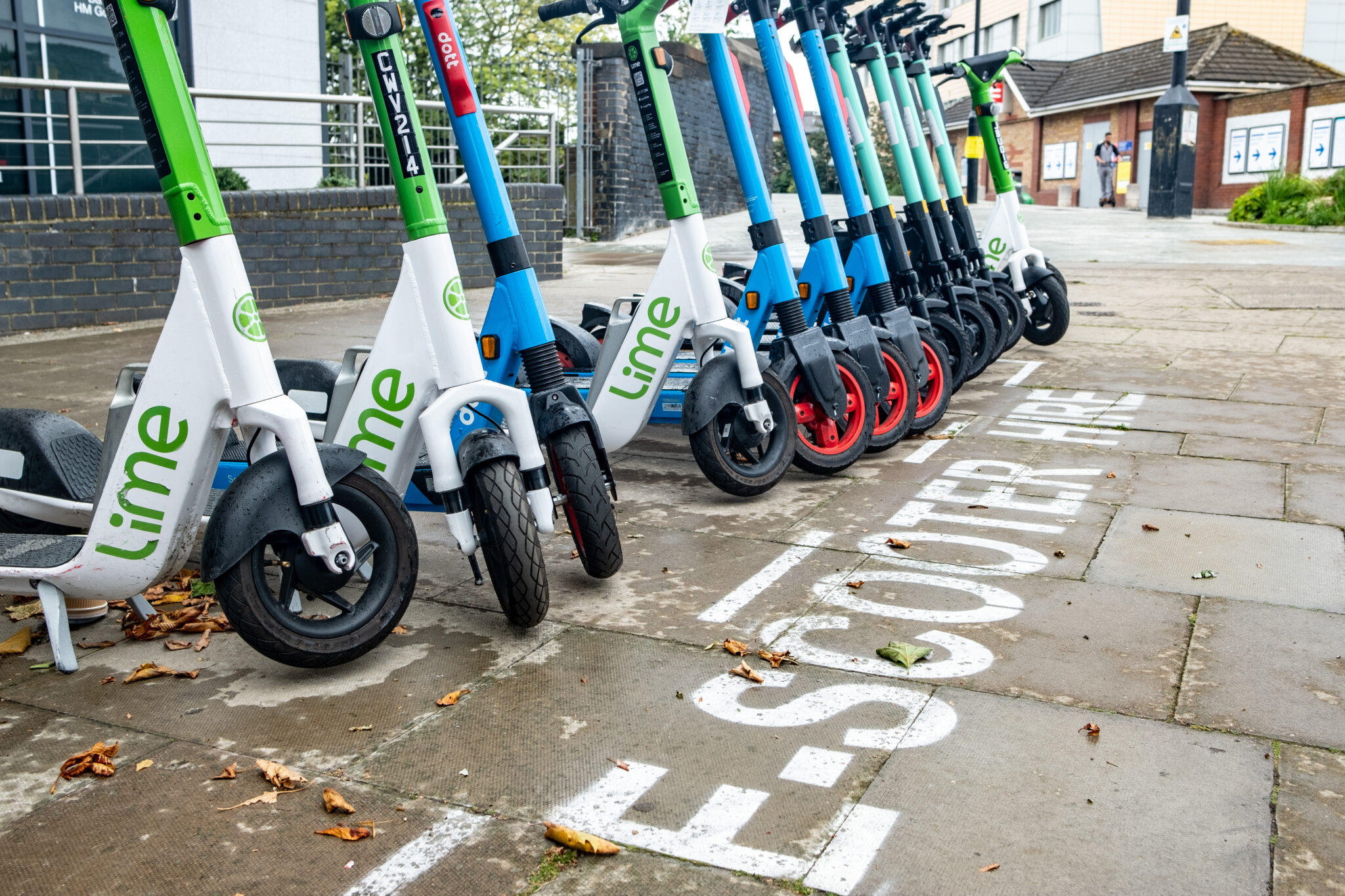
    E-scooters have become a familiar sight across the UK in recent years, and chances are one has whizzed past you at some point. And as their popularity grows, so does the confusion around their legal status. If you’ve ever wondered whether that rider zipping past you is actually allowed to be there, you’re not alone. Since 2020, rental e-scooters have been permitted in designated areas under a Government trial to evaluate their role in transport. Yet the UK is behind the curve, being the only developed economy besides the Netherlands that hasn’t fully legalised private e-scooters.

    This cautious approach has people divided: while some see it as prudent hesitation, others view it as falling behind modern transport trends. Advocates highlight e-scooters’ potential as compact, emission-free alternatives that could ease urban congestion. Critics, however, point to safety concerns and infrastructure gaps that need addressing first. As the trial period rumbles on, the question remains: is the UK falling behind — or taking necessary precaution while others rush ahead?

    Let us know what you think!

    [TS_Poll id=”18″]

    What are the current rules – and are they likely to change?

    You might think electric scooters and e-bikes fall under the same road laws. However, e-scooters are actually classed as Personal Light Electric Vehicles (PLEV), meaning that under UK traffic law they are categorised as motor vehicles and as such must follow the same rules.

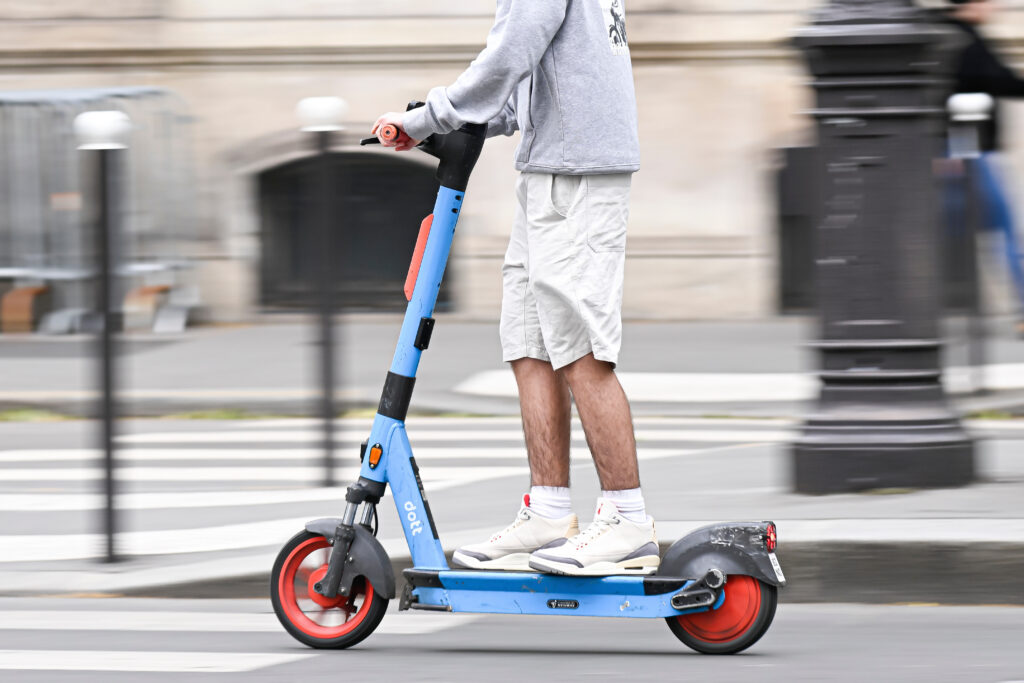
    While private e-scooters are still illegal on public roads (with offenders risking a fine, licence points, and even having their e-scooter impounded), rental e-scooters have been allowed in designated areas as part of ongoing trials to test their role in modern transport. These trials permit riders aged 16+ with a provisional or full licence to use rented e-scooters on roads and cycle lanes – with the exception of motorways and pavements. Rentals must have a maximum speed of 15.5mph and are only permitted to carry one rider.

    Being classed as motor vehicles, many of the key rules mirror those for cars. For example:

    • Electric scooters need to have valid motor insurance (which is provided by rental operators).
    • Phone use while riding is prohibited.
    • Riding an e-scooter while intoxicated is a serious offence, equivalent to drink or drug driving laws for cars; dangerous driving offences still apply, meaning that you could lose your driving licence (minimum 12 month driving ban).

    Surprisingly, helmets remain recommended but not compulsory, despite safety concerns. So, if you plan to use an e-scooter, remember that the law still applies to you!
    Are these rules set to change?

    In short, yes, but it might take a while. In November last year, Transport Secretary Louise Haigh indicated that the Government plans legalise private e-scooters on public roads in the future, stating that they could be a ‘really effective part’ of an integrated transport strategy. For now, the trials will continue and have been extended to May 2026, since further data and evaluation is needed. While this is promising news for e-scooter enthusiasts, there are still concerns that need to be addressed…

    What are the main concerns?

    E-scooters still have a way to go before they can be considered as a viable option for transport. Here are some of the key issues that are being raised.

    Antisocial parking

    E-scooters scattered around pedestrian areas have become a common sight in many cities, with abandoned vehicles blocking walkways and cluttering pavements. However, this is more of a problem for e-bikes, since unlike e-scooters, not all operators require bikes to be parked in designated bays. But legalising personal e-scooters could resolve this issue by allowing users to store them at home.

    Another solution, which is already in force but could be expanded, is geofencing, which uses GPS technology to establish virtual boundaries around specific locations. This helps with parking management, ensuring scooters are parked in designated areas.

    Fire hazard

    While e-scooters offer a convenient way to navigate cities, growing concerns in London highlight the fire risks they pose. Powered by rechargeable lithium batteries, these scooters can ignite dangerous fires if the batteries are damaged or tampered with. This can be a real danger, particularly given that charging stations are mostly in communal areas.

    In 2023, the London Fire Brigade responded to 199 e-bike and scooter fires, resulting in 3 deaths and 60 injuries—a 78% rise from the previous year. Steps are being taken to enforce stricter battery regulations to reduce such incidents.

    Road safety

    The other major concern is around road safety. The table below shows reported road collisions and casualties from 2022 and 2023, according to data from the Department for Transport:

    Fortunately, the number of collisions and casualties have decreased, likely due to a combination of stricter police enforcement, improved safety measures, and a return to normality after the pandemic (the 2022 spike reflected a surge in road users after lockdown restrictions were lifted – by 2023, usage patterns had stabilised, with fewer novice riders on the road).

    Could e-scooters be another answer to sustainable travel?

    There is definitely an argument for the positive role of e-scooters. Many see them as a positive addition to city transport, giving people more ways to get around while reducing pollution and traffic congestion in our cities.

    They are particularly beneficial to young people, who are the largest demographic of users. A study by sustainable transport charity Sustrans found that e-scooters can help 16-24 year olds have better access to education and jobs, who face greater transport barriers than other age groups due to lower income and car ownership.

    Cutting emissions, not corners

    E-scooters could play a small but helpful role in supporting the UK’s net zero ambitions. As zero-emission vehicles, they help reduce air pollution and carbon footprints, particularly for short trips where cars are most inefficient. Their compact size means they take up minimal road space, easing traffic congestion in crowded areas.

    So it seems e-scooters are here to stay, and they’re only becoming more popular, so legalising them doesn’t sound like such a bad idea. Proper legislation would eliminate some of the key problems faced at the moment, and could pave the way for safer, cleaner, and more efficient urban travel.

    Sources: Forbes, Sustrans, Department for Transport, Cities Today

    You could also read:

    This is a marketing blog by Howden Insurance.

  • Introducing the eco-friendly mushroom coffin

    Introducing the eco-friendly mushroom coffin

    A groundbreaking new invention in eco-friendly funerals has made its arrival in the UK: mushroom coffins. Yes, that’s right. Developed by Dutch company Loop Biotech, the Loop Living Cocoon is the world’s first “living coffin”. The coffins are crafted from mycelium — the vegetative part of a fungus (like the roots of a plant)  and combined with upcycled hemp fibres.

    Mycelium is often referred to as ‘nature’s biggest recycler’, because it continuously transforms dead organic matter into valuable nutrients, feeding both the fungi itself and other organisms living in the soil.

    The sustainable coffin alternative is now available nationwide.

    How does it work?

    The Loop Living Cocoon is grown in just seven days using mycelium and hemp fibres. Once buried, it’s designed to biodegrade within 45 days – not only enriching the soil and supporting new plant life, but also allowing the human remains to return to the earth naturally.

    In comparison to conventional coffins or other eco-friendly coffins crafted from wool or willow which can take years to break down, this is a more sustainable approach to funerals.

    Founder Bob Hendrikx – a bio-designer from the University of Delft – designed this coffin as a way to “enrich the soil instead of polluting it”.

    Can you use them for any funeral?

    Since its introduction, the mushroom coffin has been embraced by many UK funeral providers. Poetic Endings, based in London, was the first to offer it and they were closely followed by other providers such as The Natural Burial Company and The Green Funeral Company – all highlighting the environmental benefits and unique aesthetic.

    It goes without saying that it’s an ideal choice for natural burials as it meets all the requirements for natural burial grounds. However, it can also be used in traditional burial grounds, local authority cemeteries, or churchyards.

    With a cremation, the mycelium doesn’t have the opportunity to work in the ground as it does with a burial, but it’s still worth considering as a greener choice – as the coffin itself generates less carbon emissions during production than coffins made from more traditional materials.

    Are they expensive?

    The Loop Living Cocoon is priced at around £1,400, which is higher than some other eco-friendly options. However, its positive environmental impact may help justify the cost for those seeking a greener burial.

    For those opting for cremation, Loop Biotech offers the ‘Earth Rise Urn’ which is also made from mycelium and decomposes within 45 days when buried.

    And if the eco-friendliness of the mushroom coffin wasn’t enough, it’s also beautifully designed with curved edges and in a natural cream colour. Some funeral providers also offer the choice to have the coffin lined with moss and to paint the coffin yourself with messages, patterns, or colours using biodegradable paints.

    The introduction of the mushroom coffin in the UK signifies a growing interest in environmentally conscious funeral options. By choosing materials that nourish the earth, people can ensure that their final act is one that contributes positively to the planet.

    At Howden, our aim is to contribute positively to your insurance. Get in touch today for a quote.

  • Summer Sorted! Competition

    Summer Sorted! Competition

    1. Competition Details
    “Promoter”A-Plan Holdings incorporated and registered in England and Wales with company number 00750484 whose registered office is at 2 Des Roches Square, Witney, Oxfordshire, OX28 4LE
    “Competition”Summer Sorted! Competition
    “Opening Date”08:00 on 11-08-2025
    “Closing Date”15-08-2025
    “Prize”Details: Win a different prize each day – A Ninja CREAMi, Stanley cups, Cadac BBQ, Kayak and a PerfectDraft Bundle.Cash Value: £0Number available: 5Exclusions: N/A
    Competition Terms and Conditions

    Competition Terms and Conditions

    1. Agreement

    1.1 You agree to be bound by these terms and conditions by submitting a Competition entry.

    2. Eligibility

    2.1 The Competition is open to all residents in England, Northern Ireland, Wales and Scotland aged 18 years or over, except employees (and/or their immediate families or households) of the Promoter or its holding or subsidiary companies.

    2.2 The Promoter will not accept Competition entries that are incomplete, illegible, or have been altered, reconstructed, forged or tampered with.

    2.3 There is a limit of one entry per person per action.

    3. How to enter

    3.1 To enter the Competition, you must:

    • Like, share or tag a friend on the post on Facebook.
    • Like, share or tag a friend on the post on Instagram.
    • Quote, reply, repost, or share the post to our X username.

    3.2 The Promoter must receive all Competition entries through the specified method by no later than 17.00 on the Closing Date. All Competition entries received after the Closing Date are automatically disqualified.

    3.3 No purchase is necessary.

    3.4 The Promoter will not accept responsibility for Competition entries that are lost, mislaid, damaged or delayed in transit, regardless of cause, including, for example, as a result of any postal failure, equipment failure, technical malfunction, systems, satellite, network, server, computer hardware or software failure of any kind.

    4. Selection process and claiming the prize

    4.1 Prizes are subject to availability. The Promoter reserves the right to substitute the prize with a cash alternative to the value of £0. The prize is not negotiable, refundable or transferable. The winner shall comply with any additional terms and conditions and/or exclusions which may apply to the prize.

    4.2 A random number generator will choose the winner, and subject to clause 4.1, the selection is final, and no correspondence or discussion will be entered into.

    4.3 The Promoter will contact the winner via the contact information provided. The Promoter will not amend contact information after submitting the Competition entry form.

    4.4 The Promoter will make all reasonable efforts to contact the winner. If the winner cannot be contacted or has not claimed their prize within 30 (thirty) days of being notified, the Promoter reserves the right to offer the prize to the next eligible entrant selected from the correct entries received before the Closing Date. The Promoter accepts no responsibility if you cannot take up the prize. The prize may not be claimed by a third party on your behalf.

    4.5 If you object to any or all of your surname, county and winning entry being published, please get in touch with the Promoter. In such circumstances, the Promoter may still provide the information to the Advertising Standards Authority on request.

    5. Data protection and publicity

    The Promoter will only process your personal information as set out in the Promoter’s

    6. Limitation of liability

    Insofar as is permitted by law, the Promoter, its agents or distributors will not in any circumstances be responsible or liable to compensate any entrant to the Competition or accept any liability for any direct or indirect loss and/or damage occurring as a result of participating in the Competition, including but not limited to, taking up the prize. Your statutory rights are not affected.

    7. General

    7.1 The Promoter reserves the right to, at its sole discretion, exclude or disqualify any participant whose conduct is contrary to the spirit or intention of the Competition or who is in breach of these terms and conditions.

    7.2 The Promoter reserves the right to hold, void, suspend, cancel, or amend the prize Competition where necessary.

    7.3 In the event of a discrepancy between these terms and conditions and the provisions of any promotional material relating to the Competition, the provisions in these terms and conditions will prevail.

    7.4 The laws of England and Wales shall govern these terms and conditions, and the parties will submit to the exclusive jurisdiction of the courts of England and Wales.

  • Could you still pay your bills if you couldn’t work?

    Could you still pay your bills if you couldn’t work?

    Imagine this: you’re injured or seriously ill and can’t work for weeks, maybe months. The bills keep coming, your mortgage still needs paying, and the food shop has to continue. Could you cope financially?

    Unfortunately, this is the reality for many tradespeople and self-employed professionals who keep the UK running but are left exposed when life throws a curveball.

    Let’s say you got a carpal tunnel diagnosis, which meant you couldn’t continue your job as an electrician. Without income protection, you might not be able to afford the three months off you’d need for the surgery and to recover.

    So, let’s dive into what income protection is, and tackle some misconceptions about this insurance.

    What is income protection insurance?

    Income protection insurance is a financial safety net. If illness or injury stops you from working, it pays you a regular income until you’re fit to return to your job, meaning you can still pay your bills, support your family, and keep the lights on.

    It’s not to be confused with critical illness cover (which pays a one-off lump sum if you’re diagnosed with a serious condition) or mortgage payment protection (which covers your mortgage specifically). Income protection is broader. It covers a wide range of illnesses and injuries that prevent you from working for a period of time.

    And it’s not just for individuals. Businesses can also take out group income protection insurance for their employees, helping to cover staff absences and providing financial support when team members are off sick. So if you’ve got a team, the benefits could be twofold.

    Why self-employed workers really need income protection

    Self-employed people often fall through the cracks when it comes to financial support. Here’s why income protection could be a lifeline:

    • No sick pay: Unlike employees, self-employed workers don’t get Statutory Sick Pay. So if you don’t work, you don’t get paid.
    • Risky jobs: Trades like construction, plumbing, and electrical work carry higher risks of injury. Even a minor accident can take you off the tools for weeks.
    • Bills don’t stop: Whether it’s your rent, mortgage, van lease, or the cost of running your business, your financial commitments keep coming.
    • Peace of mind: Income protection allows you to focus on recovery, not worry about how you’ll afford next month’s food shop.

    What illnesses does income protection cover?

    Income protection covers a wide range of illnesses and injuries – basically, anything that stops you from being able to do your job for a while. This could be a physical illness like cancer or a heart attack, or a mental health condition such as stress or anxiety.

    It’s worth knowing that most policies won’t cover health issues you already had before taking out the insurance. These are called pre-existing conditions. And if you’re made redundant, income protection won’t cover that either.

    Do different trades really pay more for income protection?

    Jobs are typically grouped into categories based on risk. For example, an electrician might fall into a higher-risk category than a teacher or shop assistant, meaning their premiums could be more expensive. But that reflects the greater chance they may need to make a claim.

    You can also choose between policies with guaranteed premiums, which stay the same over time, and reviewable premiums, which can go up.

    Protect your future self!

    Being unable to work through illness or injury isn’t something anyone wants to think about, but planning ahead means you won’t be caught out.

    If you’re self-employed, a tradesperson, or running your own business, income protection insurance could make the difference between staying afloat financially or struggling to cover the basics. It’s about safeguarding the life you’ve worked hard to build.

    Want to learn more about protecting your income? Speak to the team at Howden Insurance. We’ll help you find cover that fits your job, your lifestyle, and your budget, so you can work hard today, without worrying about tomorrow.

    Sources: Which?, Coverttradeinsurance, SimplyBusiness.

    You could also read:

    This is a marketing blog by Howden Insurance.

  • Summer laws you can’t afford to break

    Summer laws you can’t afford to break

    Summer is all about freedom and fun, but there are a few seasonal laws and local rules that can quickly turn a sunny day into a costly mistake. Yes really!

    From BBQs and beach trips to towing and tyres, here’s what you need to know to stay safe, respectful, and fine-free this summer.

    Beach bother – don’t get burnt!

    Dog walkers, watch out!

    Many UK beaches enforce seasonal dog bans from May 1 to September 30, especially between 10am and 6pm. These rules are part of Public Space Protection Orders (PSPOs) designed to keep beaches clean and safe during peak season.

    Always check signage at beach entrances or your local council’s website before heading out with your pup. You could face on-the-spot fines of £100, or up to £1,000 if prosecuted!

    Beach BBQs – not always a sizzlin’ idea

    While a beach BBQ sounds idyllic, many councils have banned disposable BBQs due to fire risks and environmental damage. Others allow them only after certain hours (e.g., after 6pm) or in designated areas.

    The same goes for parks; some may have designated BBQing zones while in some locations it’s altogether banned. You could face fines of up to £100 for using a BBQ in a restricted zone, so only use them where permitted and dispose of your waste safely.

    What’s the deal with wild camping?

    Overnight camping on most UK beaches is prohibited, especially on land owned by the National Trust, Crown Estate, or Ministry of Defence. You could be asked to leave or fined up to £2,500 for trespassing. Check out more about where you can camp in the UK here.

    Don’t pocket pebbles

    Did you know that it’s illegal to take natural materials like pebbles, shells, or sand from UK beaches under the Coast Protection Act 1949? While many people like to take a souvenir shell or two home, you could actually be fined £1,000!

    Summer driving slip-ups that’ll cost you

    Don’t dry out!

    Yes, in the UK, it is illegal to drive a car without windscreen washer fluid if your vehicle is required to have a windscreen washer system. According to Regulation 34 of The Road Vehicles (Construction and Use) Regulations 1986, any vehicle fitted with a windscreen and wipers must also have a functioning washer system—unless it falls under specific exemptions (like certain agricultural or very slow-moving vehicles).

    Driving without washer fluid could be a £100 fine, or even a charge of careless driving if your lack of visibility contributes to an accident.

    Tired tyres

    Hot roads can worsen worn tyres. Driving with tread below the legal limit (1.6mm) is illegal and dangerous. Having the right tyres, inflated to the correct level can also help you save on fuel costs, so it’s important to keep them in good nick.

    Don’t overheat!

    While it’s not illegal to run without aircon, leaking refrigerant (especially R134a or R1234yf) is an environmental offence. And ignoring warning lights or continuing to drive an overheating car can be considered negligent.

    Keep a clear view

    Anything that blocks your view (like your mobile phone, large sat navs or sunshades) can lead to fines for driving without proper control or full view of the road. And if you don’t use sun visors or sunglasses to block dazzling sunlight and are involved in an accident, you could be charged with careless driving.

    Towing the line

    If you’re towing a caravan or trailer, ensure your licence covers it and that the trailer is roadworthy. Overloading or poor visibility can lead to fines. Any roof boxes and bike racks must be securely fastened and not obscure lights or number plates.

    Why you could be fined for overpacking.

    Passengers, pets and problem tech

    Dog in crate

    Leaving children or pets in a hot car, even briefly, can lead to criminal charges under child endangerment or animal welfare laws. And driving with an unrestrained pet or without a safety guard in your boot can lead to a fine and invalidate your insurance.

    Dashcams and phones can also be distractions while driving, unless you’re using them hands-free or while stationary with the engine off.

    Stay cool, stay safe

    Summer should be about making memories, not mistakes. By staying aware of the seasonal rules and driving safely, you can enjoy the sunshine without the stress of unexpected fines!

    And if you need cover for your car, campervan, caravan, or even your staycation plans, Howden is here to help keep things cool, calm and protected all summer long. Search Howden Insurance to find your local branch.

    Sources: Wales Online, Confused.com, Highway Code.

    You could also read:

    This is a marketing blog by Howden Insurance.

  • Where in the UK your car’s most likely to fail its MOT

    Where in the UK your car’s most likely to fail its MOT

    There’s nothing like a UK road trip in summer; windows down, playlists on, snacks packed. But there’s one thing guaranteed to ruin your adventure: a car that breaks down before you’ve even hit the motorway.

    With thousands of us setting off on staycations, a smooth-running car is essential. But depending on where you live, your chances of passing your MOT might be better – or much worse – than you think.

    [ifso id=”63343″]

    City MOT hotspots vs coastal troubles

    Fresh data reveals where in the UK drivers are most likely to pass their MOT and where cars are struggling to stay roadworthy.

    Topping the table is Bromley, where an impressive 80.64% of vehicles passed their MOT last year. Not far behind are Sutton, Twickenham, Romford, and Kingston upon Thames, all showing that London’s suburbs are serious about car care.

    But elsewhere in the UK, it’s a different story. Kirkcaldy in Scotland ranked last, with only 71.26% of vehicles passing their MOT. And it’s not the only one struggling. Several South West coastal areas –including Truro, Exeter, Torquay, and Plymouth – also had pass rates hovering around 71-72%.

    That’s almost a 10% difference between the top and bottom areas – proof that where you live could play a part in whether your car sails through its annual check-up.

    Why do some areas do better than others?

    There’s no single reason, but a few things could explain the difference:

    • Older vehicles: Coastal and rural areas often have older cars still on the roads, which naturally need more upkeep.
    • Tougher driving conditions: Coastal salt, pothole-ridden lanes, and harsh winters can all wear down vital components.
    • Maintenance habits: In some areas, people may be less likely to get regular services or quick fixes before problems build up.

    But no matter where you live, the best way to avoid an MOT fail is by taking care of your car all year round.

    Top reasons why vehicles fail their MOT

    The good news? Most fails are for simple problems you can check yourself before your MOT. Here are the most common culprits:

    Lights not working

    Brake lights, indicators, or number plate bulbs that have blown are one of the biggest reasons cars fail. Quick and easy to fix.

    Worn brakes or tyres

    Two safety essentials you don’t want to ignore. Tyres need to have enough tread and no obvious damage. Brakes shouldn’t feel spongy, noisy, or sluggish.

    Suspension wear and tear

    If your car makes weird noises going over bumps or feels uneven, your suspension could be on its way out.

    Poor visibility

    Cracks in your windscreen, worn wipers, or an empty screen wash tank might sound minor, but they’ll still earn you a fail.

    Get your car road trip ready

    Before you head off on your summer escape, take 10 minutes to give your car a quick check-over. It could save you hours of frustration later on:

    Walk around your car and check the lights: Ask someone to help you check brake lights and indicators.

    Inspect your tyres: Make sure they have at least 1.6mm tread (use a 20p coin to check) and no cracks or bulges.

    Top up fluids: Oil, coolant, brake fluid, and screen wash – all easy to forget but essential on long drives.

    Listen for weird noises: Clunks, squeaks, or grinding sounds when braking or steering could point to issues that need fixing before your trip.

    Check your wipers and screen: Summer bugs and dusty roads can ruin your view fast. Fresh wipers and a clean windscreen make a huge difference.

    Think ahead: If your MOT is due soon, don’t leave it until the last minute. Booking early gives you time to fix any small issues without derailing your holiday plans.

    Don’t let car trouble spoil your summer

    A failed MOT doesn’t just mean a costly repair. It could stop your summer trip in its tracks. Whether you live in a London hotspot or a coastal town with trickier pass rates, giving your car a little TLC before your holiday can make all the difference.

    After all, the only stops you want to make this summer are for ice creams and scenic photo ops, not waiting for a recovery truck! Our Howden Insurance experts are here to help you find cover that’s tailored to your adventures. Whether it’s questions about breakdown cover or how to get better value from your policy, your local branch is available in person or over the phone.

    Sources: Kwikfit, RAC, DVLA

    You could also read:

    This is a marketing blog by Howden Insurance.

  • Terms and Conditions: Last ROAR for the Tour!

    Terms and Conditions: Last ROAR for the Tour!

    1. Competition Details
    “Promoter”A-Plan Holdings incorporated and registered in England and Wales with company number 00750484 whose registered office is at 2 Des Roches Square, Witney, Oxfordshire, OX28 4LE
    “Competition”Last ROAR for the Tour!
    “Closing Date”01-08-2025 at 5pm
    “Prize”Details: Various daily Lions-themed prizes to be won every day, over 5 days.Cash Value: ZeroNumber of prizes available: 5 (one giveaway a day)Exclusions: N/A
    Competition Terms and Conditions

    1. Agreement

    1.1 You agree to be bound by these terms and conditions by submitting a Competition entry.

    2. Eligibility

    2.1 The Competition is open to all residents in England, Northern Ireland, Wales and Scotland aged 18 years or over, except employees (and/or their immediate families or households) of the Promoter or its holding or subsidiary companies.

    2.2 The Promoter will not accept Competition entries that are incomplete, illegible, or have been altered, reconstructed, forged or tampered with.

    2.3 There is a limit of one entry per person per action.

    3. How to enter

    3.1 To enter the Competition, you must like, follow and tag a mate you’ll be watching the final game with:

3.2 The Promoter must receive all Competition entries through the specified method by no later than 17.00 on the Closing Dates. All Competition entries received after the Closing Dates are automatically disqualified.

3.3 No purchase is necessary.

3.4 The Promoter will not accept responsibility for Competition entries that are lost, mislaid, damaged or delayed in transit, regardless of cause, including, for example, as a result of any postal failure, equipment failure, technical malfunction, systems, satellite, network, server, computer hardware or software failure of any kind.

4. Selection process and claiming the prize

4.1 Prizes are subject to availability. The Promoter reserves the right to substitute the prize with a cash alternative to the value of £0. The prize is not negotiable, refundable or transferable. The winner shall comply with any additional terms and conditions and/or exclusions which may apply to the prize.

4.2 A random number generator will choose the winner, and subject to clause 4.1, the selection is final, and no correspondence or discussion will be entered into.

4.3 The Promoter will contact the winner via the contact information provided. The Promoter will not amend contact information after submitting the Competition entry form.

4.4 The Promoter will make all reasonable efforts to contact the winner. If the winner cannot be contacted or has not claimed their prize within 30 (thirty) days of being notified, the Promoter reserves the right to offer the prize to the next eligible entrant selected from the correct entries received before the Closing Date. The Promoter accepts no responsibility if you cannot take up the prize. The prize may not be claimed by a third party on your behalf.

4.5 If you object to any or all of your surname, county and winning entry being published, please get in touch with the Promoter. In such circumstances, the Promoter may still provide the information to the Advertising Standards Authority on request.

5. Data protection and publicity

The Promoter will only process your personal information as set out in the Promoter’s Privacy Policy

6. Limitation of liability

Insofar as is permitted by law, the Promoter, its agents or distributors will not in any circumstances be responsible or liable to compensate any entrant to the Competition or accept any liability for any direct or indirect loss and/or damage occurring as a result of participating in the Competition, including but not limited to, taking up the prize. Your statutory rights are not affected.

7. General

7.1 The Promoter reserves the right to, at its sole discretion, exclude or disqualify any participant whose conduct is contrary to the spirit or intention of the Competition or who is in breach of these terms and conditions.

7.2 The Promoter reserves the right to hold, void, suspend, cancel, or amend the prize Competition where necessary.

7.3 In the event of a discrepancy between these terms and conditions and the provisions of any promotional material relating to the Competition, the provisions in these terms and conditions will prevail.

7.4 The laws of England and Wales shall govern these terms and conditions, and the parties will submit to the exclusive jurisdiction of the courts of England and Wales.

  • Terms and Conditions: Win a £50 Amazon gift card

    Terms and Conditions: Win a £50 Amazon gift card

    “Promoter”A-Plan Holdings incorporated and registered in England and Wales with company number 00750484 whose registered office is at 2 Des Roches Square, Witney, Oxfordshire, OX28 4LE
    “Competition”Win a £50 Amazon Gift Card
    “Opening Date”18:00 on 2025-07-18
    “Closing Date”2025-07-30
    “Prize”Details: Win one of five £50.00 Amazon Gift Cards.

    Competition Terms and Conditions

    You agree to be bound by these terms and conditions by submitting a Competition entry.

    Eligibility

    1. The Competition is open to all residents in England, Northern Ireland, Wales and Scotland aged 18 years or over, except employees (and/or their immediate families or households) of the Promoter or its holding or subsidiary companies.
    2. The Promoter will not accept Competition entries that are incomplete, illegible, or have been altered, reconstructed, forged or tampered with.
    3. There is a limit of one entry per X (formerly Twitter) account

    How to enter

    To enter the Competition, you must follow the Howden Insurance X page @howedenlocaluk

    The Promoter must receive all competition entries through the specified method by no later than 23.59 on the Closing Date. All Competition entries received after the Closing Date are automatically disqualified.

    No purchase is necessary.

    The Promoter will not accept responsibility for Competition entries that are lost, mislaid, damaged or delayed in transit, regardless of cause, including, for example, as a result of any postal failure, equipment failure, technical malfunction, systems, satellite, network, server, computer hardware or software failure of any kind.

    Selection process and claiming the prize

    The prize is not negotiable, refundable or transferable. The winner shall comply with any additional terms and conditions and/or exclusions which may apply to the prize.

    A random number generator will choose the winner, and subject to clause 4.1, the selection is final, and no correspondence or discussion will be entered into.

    The Promoter will contact the winner via a public X post and an X private message.

    The Promoter will make all reasonable efforts to contact the winner. If the winner cannot be contacted or has not claimed their prize within 30 (thirty) days of being notified, the Promoter reserves the right to offer the prize to the next eligible entrant selected from the correct entries received before the Closing Date. The Promoter accepts no responsibility if you cannot take up the prize. The prize may not be claimed by a third party on your behalf.

    If you object to any or all of your surname, county and winning entry being published, please get in touch with the Promoter. In such circumstances, the Promoter may still provide the information to the Advertising Standards Authority on request.

    Data protection and publicity

    The Promoter will only process your personal information as set out in the Promoter’s Privacy Policy. See also condition 4.5 with regard to the announcement of winners..

    Limitation of liability

    Insofar as is permitted by law, the Promoter, its agents or distributors will not in any circumstances be responsible or liable to compensate any entrant to the Competition or accept any liability for any direct or indirect loss and/or damage occurring as a result of participating in the Competition, including but not limited to, taking up the prize. Your statutory rights are not affected.

    General

    The Promoter reserves the right to, at its sole discretion, exclude or disqualify any participant whose conduct is contrary to the spirit or intention of the Competition or who is in breach of these terms and conditions.

    The Promoter reserves the right to hold, void, suspend, cancel, or amend the prize Competition where necessary.

    In the event of a discrepancy between these terms and conditions and the provisions of any promotional material relating to the Competition, the provisions in these terms and conditions will prevail.

    The laws of England and Wales shall govern these terms and conditions, and the parties will submit to the exclusive jurisdiction of the courts of England and Wales.

  • Terms and Conditions: £500 Referral Prize Draw

    Terms and Conditions: £500 Referral Prize Draw

    “Promoter”A-Plan Holdings incorporated and registered in England and Wales with company number 00750484 whose registered office is at 2 Des Roches Square, Witney, Oxfordshire, OX28 4LE
    “Competition”£500 Referral Prize Draw
    “Opening Date”09:00 on 2025-07-18
    “Closing Date”2025-09-26
    “Prize”Details: Win £500 every two weeks. Exclusions: Every lead received via the Quotelink equals one entry to the prize draw. The more leads you send the greater your chance of winning.
    Competition Terms and Conditions

    Competition Terms and Conditions

    You agree to be bound by these terms and conditions by submitting a Competition entry.

    Eligibility

    1. The Competition is open to all residents in England, Northern Ireland, Wales and Scotland aged 18 years or over, except employees (and/or their immediate families or households) of the Promoter or its holding or subsidiary companies.
    2. The Promoter will not accept Competition entries that are incomplete, illegible, or have been altered, reconstructed, forged or tampered with.
    3. There is a limit of one entry per lead sent via the Quotelink.

    How to enter

    To enter the Competition, you must refer a qualifying van or motorhome lead to us.

    The Promoter must receive all competition entries through the specified method by no later than 17.00 on the Closing Date. All Competition entries received after the Closing Date are automatically disqualified.

    No purchase is necessary.

    The Promoter will not accept responsibility for Competition entries that are lost, mislaid, damaged or delayed in transit, regardless of cause, including, for example, as a result of any postal failure, equipment failure, technical malfunction, systems, satellite, network, server, computer hardware or software failure of any kind.

    Selection process and claiming the prize

    The prize is not negotiable, refundable or transferable. The winner shall comply with any additional terms and conditions and/or exclusions which may apply to the prize.

    A random number generator will choose the winner, and subject to clause 4.1, the selection is final, and no correspondence or discussion will be entered into.

    The Promoter will contact the winner via the contact information provided. The Promoter will not amend contact information after submitting the Competition entry form.

    The Promoter will make all reasonable efforts to contact the winner. If the winner cannot be contacted or has not claimed their prize within 30 (thirty) days of being notified, the Promoter reserves the right to offer the prize to the next eligible entrant selected from the correct entries received before the Closing Date. The Promoter accepts no responsibility if you cannot take up the prize. The prize may not be claimed by a third party on your behalf.

    If you object to any or all of your surname, county and winning entry being published, please get in touch with the Promoter. In such circumstances, the Promoter may still provide the information to the Advertising Standards Authority on request.

    Data protection and publicity

    The Promoter will only process your personal information as set out in the Promoter’s Privacy Policy. See also condition 4.5 with regard to the announcement of winners..

    Limitation of liability

    Insofar as is permitted by law, the Promoter, its agents or distributors will not in any circumstances be responsible or liable to compensate any entrant to the Competition or accept any liability for any direct or indirect loss and/or damage occurring as a result of participating in the Competition, including but not limited to, taking up the prize. Your statutory rights are not affected.

    General

    The Promoter reserves the right to, at its sole discretion, exclude or disqualify any participant whose conduct is contrary to the spirit or intention of the Competition or who is in breach of these terms and conditions.

    The Promoter reserves the right to hold, void, suspend, cancel, or amend the prize Competition where necessary.

    In the event of a discrepancy between these terms and conditions and the provisions of any promotional material relating to the Competition, the provisions in these terms and conditions will prevail.

    The laws of England and Wales shall govern these terms and conditions, and the parties will submit to the exclusive jurisdiction of the courts of England and Wales.

  • Old pound coins: what do we do with them now?

    Old pound coins: what do we do with them now?

    Nowadays, the ease of contactless-tapping our way through transactions has almost made rummaging for our wallets for change an extinct process. Some establishments won’t even take your coins anymore, but the extreme days of COVID might have also had something to do with that!

    Nevertheless, cash is still used every day, and new designs and versions continue to be released each year, including a new design underway featuring King Charles. Prior to this, the most recent change was from the ‘old, round’ £1 coin to the new 12-sided version, which took place in 2016. So, what do we do with old pound coins now? Are they worth anything? And when will the new King Charles coins be released?

    If you have any old pound coins yourself, stick with us and find out:

    [ifso id=”63343″]

    When were the old pound coins replaced?

    The history of the old British 1 pound coin goes back to the 1980s, when it replaced the Bank of England’s £1 note. The note was in circulation for nearly 200 years before it was replaced due to inflation – but these notes are sometimes still seen, particularly across Scotland!

    The nickel-brass one pound coin then went on to be circulated across the country for almost 40 years. It was regularly re-designed, featuring different designs and patterns, before the most significant change to the round coin came in 2016. This saw the end of the ‘Last Round Pound Coin’.

    With that, the new 12-sided 1 pound coins were introduced in 2017, leaving behind the round pounds which were last minted at the end of 2015. Being not so long ago, there’s every chance you could have a few of the old pounds lying around somewhere, or potentially lost down the back of a sofa.

    Why were the old pound coins replaced?

    The round pound was replaced by a newer, thinner 12-sided version in response to growing cases of counterfeiting.

    The issue was reported across national news outlets and eventually the Royal Mint came under pressure to change the design. The 12-sided coin we use today is designed in a way that is much harder to replicate, making counterfeiting harder.

    Their new shape is distinctive, they are made of two metals rather than one, and it is also marked a certain way to make them easier to identify under inspection.

    Are old pound coins still legal tender?

    Now you’re probably wondering whether that old round coin you’ve found can still be used. Well, unfortunately, the old 1 pound coins are no longer legal tender, and this has been the case since 2015.

    This means that these round pound coins cannot be used anywhere, whether that be restaurants, cafes, shops etc. You may have heard recently that the old paper £20 and £50 notes have also succumbed to a similar fate. They went out of circulation and were no longer legal tender in September 2022, following in the footsteps of the old £5 and £10 notes.

    Do banks take old pound coins?

    Old Pound Coins 2

    Banks are not obliged to legally accept any old versions of coins or notes which have been withdrawn from circulation. However, some major banks do.

    MoneySavingExpert reports that major banks such as Nationwide, Santander, Halifax, Lloyds and NatWest will still allow customers to deposit the most recent form of old currency into their account.

    The Post Office will also allow this, but only if your bank signed up to receive cash deposits through the Post Office.

    However, none of the banks will allow customers to exchange a round pound directly for a new coin, you are only able to deposit them into your UK bank account. There are stories circulating though that sometimes deposits of old currencies into a bank account hasn’t worked, so it is worth speaking to someone working for the bank to get some clarity around this.

    It’s also worth being aware that the Bank of England will only accept old paper notes, not old coins, regardless of whether you are posting it or trying to deposit through them directly.

    Are old pound coins worth anything?

    It is believed that there are still hundreds of millions of old pound coins which are unaccounted for, which can mean two things; either your old coin is not too uncommon, or you have a great chance of having a rare, round pound coin.

    What’s clear is that the rarer and older your coin is, the more it’s likely to be worth if you were to sell it on. You can easily see how old a coin is, as it is usually printed on one of the sides.

    You should also turn your coin over and double-check the design. Since the first round, old pound coin was circulated, there have been 24 different designs released. The most common design you’ll find in England is the Royal Arms design, but there are other designs which are rarer and could be worth more.

    A coin with an uncommon design which dated back to when its version of the coin was first released, could be worth a pretty penny! The right pound coin could be worth between £3 and £20!

    What should I do if I think I have a valuable coin?

    It’s not always easy to know what to do when you think you have something of value, with there being a messy bundle of information about the legitimacy of rare coins across the internet.

    However, there are many rare coin dealers which you can Google such as Coincraft or Baldwin’s who could help you figure out how much your coin might be worth, by checking serial numbers, the coin’s condition etc. If it is worth something, it’s then up to you whether you sell it to the dealer or let the online collectors fight over it on a selling platform such as Ebay.

    What to do with old pound coins?

    So, you’ve already read a few ways you can make the most of your old pound coins, you could deposit them, or see if they are maybe worth more! But what are your other options?

    Give it to charity

    As we mentioned before, your old coin could be worth a little bit of money, so why not maybe donate it to charity?

    There are many charities out there which you can contact who would be more than happy to take your old £1 coins. Not only could it make the charity some money, but a coin like this might also mean more to someone else, such as a keen coin collector.

    Keep it as a souvenir

    Especially as we move into a new era with King Charles III at the throne, having an old pound coin with the late Queen Elizabeth II’s face on the back might be hard to come by in the long-distance future.

    It could be a little souvenir you show future generations, or that you look back on yourself, and reminisce about where you were and what you were doing when you came across it.

    We know this idea may not appeal to you, but to some, keeping an old pound coin in their memory box could be an attractive idea. You can find out more about starting a collection of old coins on the Royal Mint website.

    To summarise…

    All in all, we’ve established why any old pound coins you have are significant, whilst also giving you some options regarding what you could do with them.

    Old pound coins are no longer legal tender, so your options are:

    • Keep them as a souvenir
    • Deposit them at a bank
    • Get them valued and sell them to a dealer or on a website such as eBay
    • Give them to charity

    We also know that round pound coins haven’t been out of circulation for that long, so you might end up returning to this blog in years to come and have a clearer idea of what you want to do with it then. But for now, why not just enjoy having a small piece of British currency history.

    Want to know more about how you can protect you and your family with life or health insurance? Call us on 01993 894 700, or don’t hesitate to visit one of our branches, where a member of our team would be happy to help provide you with the answers to any questions you might have! You can also visit our website to learn more about what Howden do.

    Old Pound Coin FAQs

    What can I do with old notes?

    The Bank of England, who are responsible for replacing notes and coins, not too long ago decided to replace old £10, £20 and £50 bank notes with polymer notes. The reason for this was that old banknotes were easier to counterfeit, and polymer versions are much stronger, lasting two-and-a-half times longer than the paper notes.

    The old paper notes no longer have legal tender status, so they cannot be used to spend. However, much like cold coins, paper notes can be deposited into many well-known bank branches and the Bank of England. The Post Office and Bank of England will also accept old bank notes for exchanges, belongs as you bring identification with you.

    What about old two pound coins?

    Following a review into British currency, the Royal Mint sent two pound coins into circulation in 1998. Unlike the old one pound coin, the two pound coin has always been rounded and hasn’t required any significant changes over the years, except in its design.

    There were some commemorative two pound coins created before 1998, however, and there is some confusion around their legal tender status. The truth is, two pound coins which pre-date 1998 can be considered a genuine coin for transactions, but they can also legally be refused in by whoever you owe the money to.

    Similarly to the old, round pounds, there are many £2 coins out there which could be worth a little more than their face value, due to their rarity and age.

    When will English currency reflect King Charles III ascending to the throne?

    Following Queen Elizabeth II’s death in September 2022, English currency has needed to change to reflect King Charles III’s ascension to the throne. Nearly 10 million coins with the new King’s head have been released into the public. The King’s head faces the opposite direction to the direction the Queen faced on coins to follow on from a long tradition of alternating for each new monarch.

    King Charles III banknotes entered circulation on 5 June 2024.

    You could also read:

    Sources: