A-Plan Holdings incorporated and registered in England and Wales with company number 00750484 whose registered office is at 2 Des Roches Square, Witney, Oxfordshire, OX28 4LE
“Competition”
Big Rugby Giveaway – One Day
“Opening Date”
08:00 on 2025-07-15
“Closing Date”
17:00 on 2025-07-15
“Prize”
Details: One signed ‘The Good, The Bad, and The Rugby’ book and tote of official Lions merchandise. Cash Value: £0.
Competition Terms and Conditions
Competition Terms and Conditions
1.1 You agree to be bound by these terms and conditions by submitting a Competition entry.
2. Eligibility
2.1 The Competition is open to all residents in England, Northern Ireland, Wales and Scotland aged 18 years or over, except employees (and/or their immediate families or households) of the Promoter or its holding or subsidiary companies.
2.2 The Promoter will not accept Competition entries that are incomplete, illegible, or have been altered, reconstructed, forged or tampered with.
2.3 There is a limit of one entry per person per action.
3. How to enter
3.1 To enter the Competition, you must:
Like, share or tag a friend on the post on Facebook.
Like, share or tag a friend on the post on Instagram.
Quote, reply, repost, or share the post to our X username.
3.2 The Promoter must receive all Competition entries through the specified method by no later than 17.00 on the Closing Date. All Competition entries received after the Closing Date are automatically disqualified.
3.3 No purchase is necessary.
3.4 The Promoter will not accept responsibility for Competition entries that are lost, mislaid, damaged or delayed in transit, regardless of cause, including, for example, as a result of any postal failure, equipment failure, technical malfunction, systems, satellite, network, server, computer hardware or software failure of any kind.
4. Selection process and claiming the prize
4.1 Prizes are subject to availability. The Promoter reserves the right to substitute the prize with a cash alternative to the value of £0. The prize is not negotiable, refundable or transferable. The winner shall comply with any additional terms and conditions and/or exclusions which may apply to the prize.
4.2 A random number generator will choose the winner, and subject to clause 4.1, the selection is final, and no correspondence or discussion will be entered into.
4.3 The Promoter will contact the winner via the contact information provided. The Promoter will not amend contact information after submitting the Competition entry form.
4.4 The Promoter will make all reasonable efforts to contact the winner. If the winner cannot be contacted or has not claimed their prize within 30 (thirty) days of being notified, the Promoter reserves the right to offer the prize to the next eligible entrant selected from the correct entries received before the Closing Date. The Promoter accepts no responsibility if you cannot take up the prize. The prize may not be claimed by a third party on your behalf.
4.5 If you object to any or all of your surname, county and winning entry being published, please contact the Promoter. In such circumstances, the Promoter may still provide the information to the Advertising Standards Authority on request.
5. Data protection and publicity
The Promoter will only process your personal information as set out in the Promoter’s Privacy Policy. See also condition 4.5 with regard to the announcement of winners.
6. Limitation of liability
Insofar as is permitted by law, the Promoter, its agents or distributors will not in any circumstances be responsible or liable to compensate any entrant to the Competition or accept any liability for any direct or indirect loss and/or damage occurring as a result of participating in the Competition, including but not limited to, taking up the prize. Your statutory rights are not affected.
7. General
7.1 The Promoter reserves the right to, at its sole discretion, exclude or disqualify any participant whose conduct is contrary to the spirit or intention of the Competition or who is in breach of these terms and conditions.
7.2 The Promoter reserves the right to hold, void, suspend, cancel, or amend the prize Competition where necessary.
7.3 In the event of a discrepancy between these terms and conditions and the provisions of any promotional material relating to the Competition, the provisions in these terms and conditions will prevail.
7.4 These terms and conditions shall be governed by the laws of England and Wales, and the parties will submit to the exclusive jurisdiction of the courts of England and Wales.
A-Plan Holdings incorporated and registered in England and Wales with company number 00750484 whose registered office is at 2 Des Roches Square, Witney, Oxfordshire, OX28 4LE
“Competition”
Share Your Team Pride – Win a Team Kit
“Opening Date”
08:00 on 2025-07-14
“Closing Date”
2025-08-02
“Prize”
Details: Win a team kit from Canterbury, the official suppliers of The British & Irish Lions Cash Value: £0Numberavailable: 30 Exclusions: N/A
Competition Terms and Conditions
Competition Terms and Conditions
1. Agreement
1.1 You agree to be bound by these terms and conditions by submitting a Competition entry.
2. Eligibility
2.1 The Competition is open to all residents in England, Northern Ireland, Wales and Scotland aged 18 years or over, except employees (and/or their immediate families or households) of the Promoter or its holding or subsidiary companies.
2.2 The Promoter will not accept Competition entries that are incomplete, illegible, or have been altered, reconstructed, forged or tampered with.
2.3 There is a limit of one entry per person per action.
3. How to enter
3.1 To enter the Competition, you must:
Share a photo of your rugby team on our social channels, either in the comments or by tagging us in your post, and tag at least two of your team mates.
3.2 The Promoter must receive all Competition entries through the specified method by no later than 17.00 on the Closing Date. All Competition entries received after the Closing Date are automatically disqualified.
3.3 No purchase is necessary.
3.4 The Promoter will not accept responsibility for Competition entries that are lost, mislaid, damaged or delayed in transit, regardless of cause.
4. Selection process and claiming the prize
4.1 Prizes are subject to availability. The Promoter reserves the right to substitute the prize with a cash alternative to the value of £0. The prize is not negotiable, refundable or transferable.
4.2 A random number generator will choose the winner. The selection is final, and no correspondence will be entered into.
4.3 The Promoter will contact the winner via the contact information provided. Contact information will not be amended after submission.
4.4 If the winner cannot be contacted or has not claimed their prize within 30 days, the Promoter reserves the right to offer the prize to the next eligible entrant. The prize may not be claimed by a third party.
4.5 If you object to your surname, county and winning entry being published, please contact the Promoter. The Promoter may still provide this information to the Advertising Standards Authority on request.
5. Data protection and publicity
The Promoter will only process your personal information as set out in the Promoter’s Privacy Policy. See also condition 4.5 regarding the announcement of winners.
6. Limitation of liability
Insofar as is permitted by law, the Promoter, its agents or distributors will not be responsible or liable for any loss or damage resulting from participation in the Competition. Your statutory rights are not affected.
7. General
7.1 The Promoter reserves the right to disqualify any participant whose conduct is contrary to the spirit or intention of the Competition or who breaches these terms and conditions.
7.2 The Promoter reserves the right to hold, void, suspend, cancel, or amend the prize Competition where necessary.
7.3 In the event of a discrepancy between these terms and any promotional material, these terms will prevail.
7.4 These terms and conditions are governed by the laws of England and Wales, and the parties submit to the exclusive jurisdiction of the courts of England and Wales.
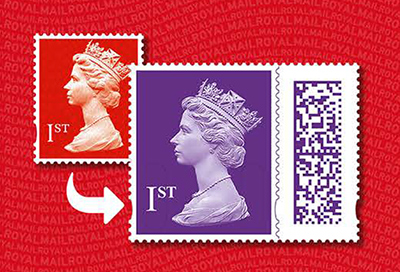
When it comes to sending mail in the UK, many people may wonder whether they can still use old stamps. With the introduction of the new barcoded stamp, it can be confusing to know whether your old stamps are still valid. In this article, we will explore whether old UK stamps are valid are still valid, and how you can transition over to using newer stamps.
Firstly, it is important to note that Royal Mail, the UK’s postal service, is still currently accepting valid UK postage stamps, regardless of their age. This means that even if you have a stamp that is several years old, it will remain valid. You can still use them at the Post Office and to send mail within the UK.
However, there are a few things to keep in mind when using an old, non-barcoded stamp. Firstly, you need to ensure that the value of the stamp is sufficient to cover the cost of postage. The current Royal Mail prices can be found on the Royal Mail website, and it is important to check these rates before sending your mail. If the value of your old stamp only covers insufficient postage, you will need to add additional stamps to make up the difference.
Another thing to keep in mind is that if you are using a particularly old, unbarcoded stamp, they became no longer valid in 2023.
Why are non-barcoded stamps being replaced by stamps with barcodes?
The Royal Mail have said that the old, non-barcoded stamps have been replaced with newer stamps with barcodes to “enable the introduction of added security features and pave the way for innovative services for customers”.
In terms of a security feature, these barcoded versions will help prevent cyber-attacks, which the Royal Mail have been victim to recently. They’ll keep their plain coloured background, but these barcodes will also be connecting physical stamps with the digital world, granting customers access to the Royal Mail app (yes, they have an app) and its range of exciting new services.
Essentially, the Royal Mail’s first- and second-class stamps will be replaced with new barcoded stamps to ensure stamps ‘keep up’ with the ever-changing, fast-paced modern world.
Will the new Royal Mail stamps also feature King Charles III?
The Royal Mail have released new special stamps featuring the head of King Charles, replacing the head of Queen Elizabeth II, who died in September 2022. They are commemorative and have flowers on to highlight the King’s love for gardening.
The former Queen’s head had previously featured on Royal Mail stamps for 55 years. February 2023 saw the final issue of stamps with Elizabeth II’s head on, and only once these are no longer valid or in circulation will King Charles feature on regular stamps.
The first release of ordinary King Charles stamps was in April 2023, prior to the coronation.
When do old stamps expire?
Old first and second-class stamps, which do not have a barcode, were no longer valid after the 31st of July 2023. The original deadline to use existing stamps was the 31st of January 2023, but it was extended to give stamp owners more time to get rid of them before they become no longer valid.
The Royal Mail called it a “six-month grace period”, and it was brought in following considerable discontent from customers following the announcement of the original 31 January 2023 deadline.
Can you exchange old stamps for new stamps?
Yes, you can exchange old stamps for new stamps.
To do this, you need to refer to the ‘Stamp Swap Out’ scheme. We explain how below.
How to swap out old stamps with Royal Mail’s ‘Stamp Swap Out’ scheme
The Stamp Swap Out scheme was created to allow anyone to send off any stamps without a barcode they have to the Royal Mail who will, in return, send back the same number of barcoded stamps.
To do this, you will need to get a hold of the Stamp Swap Out Form. You can swap out up to £200 worth of non-barcoded stamps. If you have a printer at home, all you need to do is print the form off, fill it in with all the requested details, and send it off with any existing stamps you wish to swap over. This is a free service, but just make sure you write Freepost SWAP OUT on the envelope.
If you possess more than £200 worth of stamps to swap out, you will need to use the Bulk Stamp Swap Out Form, following the same steps as above. The Royal Mail’s address details are:
Royal Mail Swap Out Tallents House 21 South Gyle Crescent EDINBURGH EH12 9PB
If you don’t have access to a printer
If you do not have access to a printer and are unable to print off the Stamp Swap Out form, you can complete an online form and the Royal Mail will get the Stamp Swap Out form to your address. You can also pick up forms from your local Post Office branch. It is important to note that you will not be able to swap stamps for barcoded ones at Post Offices, you can only do this through the scheme.
Unfortunately, there is no indication of how long this process takes, but it is a good idea to get your stamps without a barcode sent off early to make sure you aren’t left out of pocket!
FAQs
It has been confirmed by the Royal Mail that old, non-barcoded Christmas stamps will remain valid beyond the 31 July 2023 deadline and will not be included in the batch of stamps that you can swap through the Royal Mail’s Swap Out scheme. Customers complained that they do not wish to lose their non barcoded Christmas stamps they use for their Christmas cards, so they will remain valid.
Both non barcoded definitive stamps, used for regional postage across the UK, and non-barcoded international tariff stamps, obviously used for international postage and featuring the existing Machin design, will both become invalid after the July deadline.
These stamps already have barcoded versions though which can now be used as everyday stamps for mail posted through your local post box or via a Post Office.
Is this the first time you’re hearing about the Heathrow drop-off charge? Not sure what it means for you when you drop-off at London’s airport? Well thankfully for you, you’ve come to the right place.
In this guide we’ll provide you with the answers to all your questions regarding this drop off charge: How does it work? Do you need to pay the charge? What happens if you don’t pay? How are taxi drivers impacted?
All these questions and many more will be answered down below, so what are you waiting for? Read on to find out more about the Heathrow drop off charge!
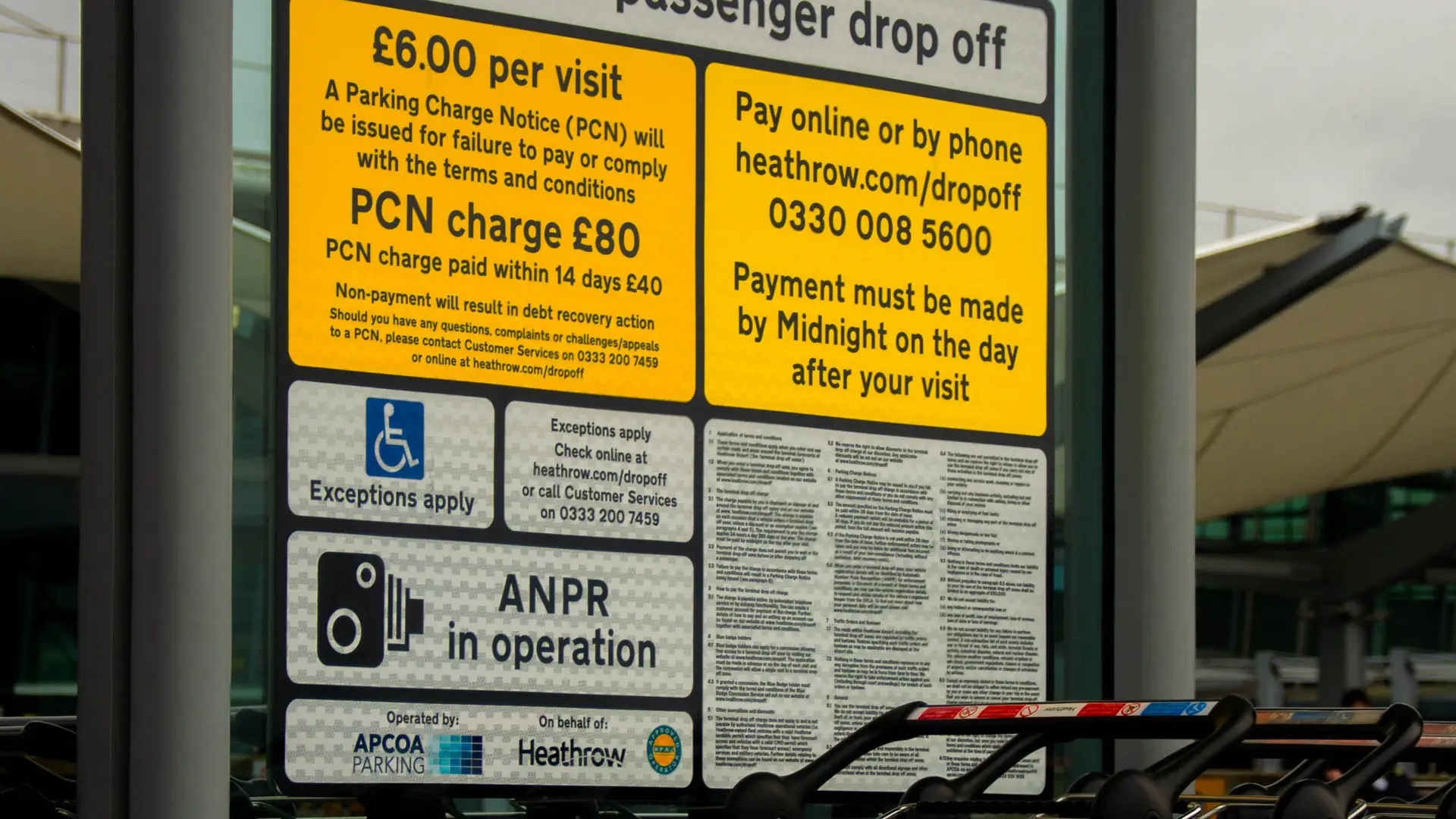
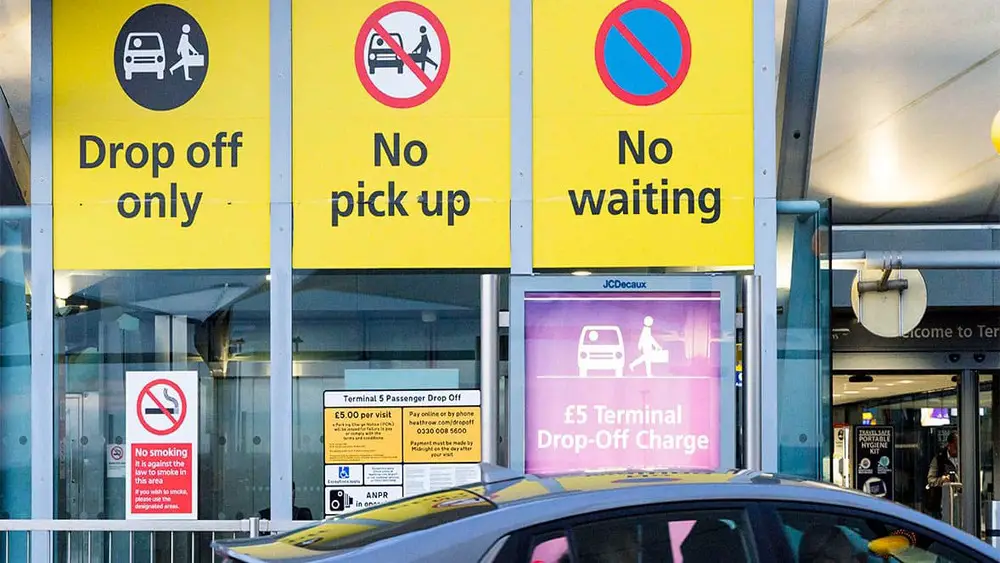
Yes. As of 1st January 2025, Heathrow’s Terminal Drop-Off Charge has increased from £5 to £6 per visit. You’ll alwaysneed to pay a £6 charge every time you and the vehicle you’re driving enters one of the Heathrow Airport terminal drop-off areas.
This charge was introduced back in November 2021, in response to the impact the pandemic had on the airport. On the Heathrow Airport website, it states: “The charge allows us to continue investing in congestion-reducing, Surface-Access projects, and protecting jobs at Heathrow”. The airport uses Automatic Number Plate Recognition (ANPR) to identify your vehicle and mark it as needed to pay the drop-off charge.
As well at that, from August 2023, it was announced that any “non-compliant vehicles using Heathrow’s Terminal Drop Off areas will also have to pay a £12.50 daily charge as part of the expansion of Transport for London’s Low Emission Zone (ULEZ)”.
There’s not currently any information around whether this is a permanent change made by Heathrow Airport or whether it could be removed in the future, so for now, be sure to be prepared to pay the charge when you drop off passengers at the charging zones!
There’s numerous ways you can pay a Heathrow Drop Off charge:
Online
Via automated telephone service
Via AutoPay
Online
To pay for a Heathrow Terminal Drop Off charge online, you need to visit this page on the Heathrow Airport website.
On that page, you’ll be asked to provide the registration number of the vehicle that’s entered, or will enter, the drop-off zone. Once you’ve confirmed the vehicle, you’ll be asked for your email, and how many drop offs you plan to make. The more drop offs you make, the more you’ll be expected to pay (e.g., 1 drop off = £6, 2 drop offs = £12 etc.), and your final total price will be displayed before you make your payment.
Automated telephone service
Rather than paying through the Heathrow website, you can instead pay via the automated telephone service. The number to call is: 0330 008 5600. This service will take you through the same process as the website.
Autopay
The final way you can pay for your Heathrow Terminal Drop Off charge is via AutoPay. Registering to this service allows you to the airport to automatically debit your payment card for each drop-off charge you make.
How does Heathrow Drop Off AutoPay work?
AutoPay is operated by APCOA parking, and it allows anyone to add a vehicle or multiple vehicles to their account and set up an automated payment system. This system ensures that whenever a driver enters a terminal drop off zone in a vehicle they’ve registered through their account, they will be charged automatically and on time, meaning they wouldn’t be fined by the airport for a late payment.
AutoPay essentially removes the hassle of having to manually pay for each time you drop off a passenger at a terminal drop-off zone, which can be extremely beneficial for taxi drivers, for example, who make regular trips dropping passengers off to the airport.
When to pay Heathrow Drop Off charges
The drop off charge needs to be paid by midnighton the day after you’ve made your visit to Heathrow Airport. There’re no exceptions for this deadline all year round, and as soon as you enter the drop-off zone, you become immediately liable to pay, depending on the vehicle you’re driving.
Alternatively, you can also choose to pay for one or multiple drop offs online in advance if you like, but be aware that there is no airport ticket machine at Heathrow that can be used to pay this charge.
What happens if you don’t pay Heathrow drop off charge?
If you were to fail to pay the drop off fee before the midnight deadline we’ve just mentioned, you would become susceptible to a fine.
You’d receive a £80 Parking Charge Notice (PCN) from Heathrow Airport, which would be halved to £40 if you pay the fine within 14 days of receiving it. You can view evidence relating to the fine, pay it, or challenge it via APCOA’s dedicated payment page.
Can you pay the Heathrow Drop Off charge late?
No, you’re not allowed to pay the Heathrow Terminal Drop Off Charge late. However, you can always try to get in touch with Heathrow Airport or APCOA and see if there’re any circumstances where you can delay when you need to pay your terminal drop off charge.
How to appeal Heathrow drop off charge?
If you feel you’re undeserving of being charged for the drop off or receiving a fine, and require a refund, you can email the team at APCOA or call their customer service support on 0333 200 7459.
What is the Heathrow Terminal Drop Off zones time limit?
Currently at Heathrow Airport, there’s no time limit in place that states how long you can stay in the terminal drop off zones. This means that, technically, you can stay in the drop off area as long as you like, as you pay the charge before or after you make the drop off. Heathrow Airport is quite unique in this case, whilst other London airports do have time limits ranging from 10 to 15 minutes.
We would warn you though that even though there is no time limit, you might get some frustrated or concerned looks from members of staff or security at the airport if you hang around in the drop off zone too long. What’s more, any vehicles left unattended in one of the zones will be removed by the police, so make sure you always stay in your vehicle!
Who is exempt from the Heathrow Terminal Drop Off charge?
Heathrow Airport have outlined some individuals and vehicles which are deemed to be exempt form the terminal drop off charge. These are as follows:
Blue Badge Holders
Blue badge holders are eligible to apply for 100% discount on their drop off charge, regardless of whether they drive or own a vehicle. This means a family member, friend or taxi driver could drop you off for free if you have the Blue Badge discount.
You do need to apply for your Blue Badge discount though, and each drop off requires a new application which you can do up to three months before the drop off, or by midnight the day after the drop off. You can start submitting your Blue Badge holder discount application by clicking here.
Emergency and Military services
Exemptions will be automatically applied to emergency service vehicles, such as fire engines, ambulances or police cars, and military vehicles. Drivers of these vehicles need not apply for a charge exemption.
Heathrow permitted operational vehicles are also exempt from the drop off charge.
Certain public vehicle categories
If the DVLA (Driving and Vehicle Licensing Agency) deems your vehicle to fall under one of the following categories, you’ll automatically be discounted for 100% of the drop off charge:
· Buses and coaches
· Two-wheeled motorbikes
· Roadside recovery vehicles
There’s also a lot of talk out there around the eligibility of electric vehicles for charge exemption, but the truth is, electric vehicles are not exempt from the drop-off charge and their drivers will not benefit from any discount.
Are taxis exempt from Heathrow Drop Off charge?
There was a time when taxis were exempt form the Heathrow Drop Off charge, but that is now no longer the case. Since 2022, all taxis and private hire vehicles that enter terminal drop off zones will be charged will a £5 charge.
Heathrow Airport recommends that black cab and private-hire vehicles drivers register for a APCOA parking business account, because this allows these drivers to benefit from the AutoPay function and better manage their drop offs.
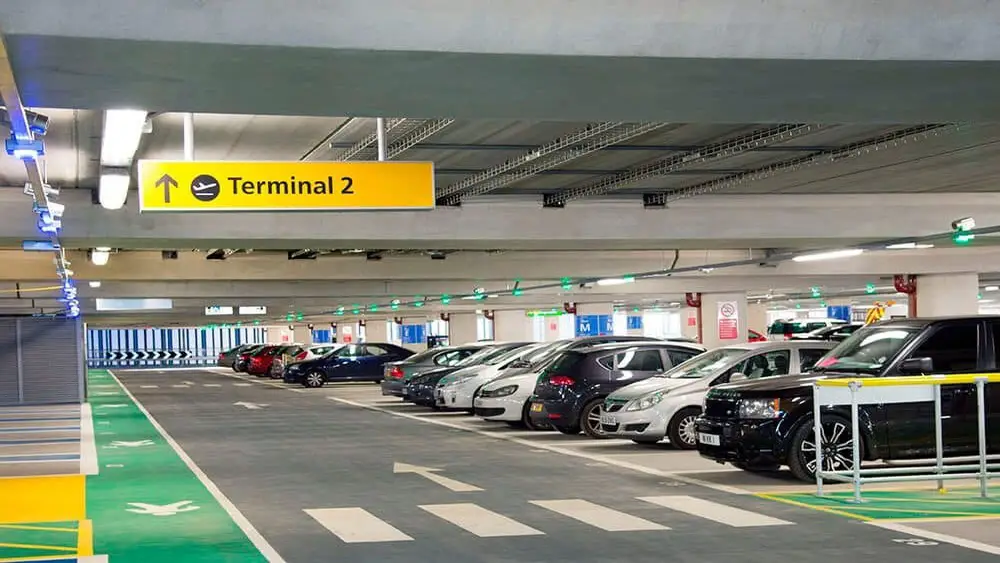
The best free, drop-off alternative to the terminal zones at Heathrow Airport is the Park & Ride car parks. Previously known as Long Stay car parks, they allow for 29 minutes of free parking, and from there, arriving passengers can jump on a free shuttle bus to get to their terminal.
These buses are also free, and make for a great way to get around the airport. Depending on which terminal you need to get to, the shuttle should take between 5 to 20 minutes. They even have free Wi-Fi!
To learn more about Heathrow’s Long Stay car parks and how to get a parking quote, visit the Long Stay parking guide on the Heathrow Airport website.
Can you pick up from the terminal drop off zones at Heathrow Airport?
No, you’re not able to pick up any passengers from the airport’s drop off zones. However, you won’t be charged for any passenger pick-ups which take place at the airport’s car parks, so that’s worth bearing in mind.
You can find out more about the rules around pick-ups at Heathrow Airport here.
Other UK Airport drop off charges (2025)
Sadly, Heathrow Airport is not the only airport in the UK that charges for drop offs. Recently, almost all UK airports have introduced a drop off charge, and this is for several reasons:
To reduce air pollution
To manage congestion
For re-investment into airport infrastructure
To help airports keep air fares low
How justifiable these charges is still up for debate, but nevertheless, take a look below at all the drop off charges at the UK’s biggest airports.
UK Airport
Time Period
Drop Off Fees (2024)
Further Information
Aberdeen
15 mins
£5.50
Additional £1 charge for each extra minute that you stay.
Belfast City
30 mins
£5
£15 for up to 60 mins.
Belfast International
10 mins
£3
£5 for up to 20 mins, £10 for up to an hour.
Birmingham
15 mins
£6
Free for first 10 minutes.
Bournemouth
30 mins
£5
£7.50 for stays up to an hour.
Bristol
10 mins
£6
£8 for 20 mins, £12 for up to 40 mins, £25 for an hour-long stay.
Cardiff
5 mins
Free
£3 charge for every 10 minutes after free stay period.
East Midlands
15 mins
£5
Additional £1 charge for each extra minute that you stay.
Edinburgh
10 mins
£6
Additional £1 charge for each extra minute that you stay.
Glasgow
15 mins
£5.50
Additional £1 charge for each extra minute that you stay. Electric vehicles get free access.
Inverness
10 mins
Free
Charges £3.50 for stays up to 30 mins, £9.50 for up to an hour
Leeds Bradford
10 mins
£7
Charges £9 for up to 20 minutes, £12.50 for up to 30 minutes.
Additional £1 charge for each extra minute that you stay. Max stay is 30 mins.
London Luton
5 mins
£5
Additional £1 charge for each extra minute that you stay for up to 20 minutes
London Stansted
15 mins
£7
Costs £25 for stays over 15 minutes.
Manchester
5 mins
£5
£6.20 for up to 10 minutes, £25 for any longer stays.
Newcastle
10 mins
£5
£8 for up to 30 mins, £11 for up to 30 minutes.
Southampton
20 mins
£6
Via Express Drop Off.
Information accurate as of January 2025.
Looking for a comphrehensive insurance policy that’s tailored to provide cover for you and your vehicle only? Get in touch with us, and we can help you find a motor policy that meets your expectations.
Driving is about to get more expensive in 2025, and not just for petrol and diesel vehicles; owners of electric vehicles (EVs) will be hit too.
As part of her Autumn budget, chancellor Rachel Reeves has announced significant tax increases, with motorists set to feel the blow. Tax rates can be confusing, especially when it comes to motor vehicles.
But don’t worry, we’re here to help. Below is a full guide on everything you need to know about car tax changes in 2025:
Vehicle Excise Duty (VED) – also known as car tax or road tax – is an annual tax that vehicle owners in the UK must pay to legally drive on public roads. The amount you pay depends on factors like your car’s engine size, fuel type, and CO2 emissions.
VED also helps fund road maintenance and infrastructure, promoting cleaner, more environmentally friendly vehicles.
New VED rates are set to increase in line with inflation as measured by the Retail Price Index (RPI).
You have to pay VED to ensure your vehicle is legally compliant and to contribute to the upkeep of roads and related services. Plus, it’s a way to encourage people to opt for more eco-friendly cars by making higher-emission vehicles more expensive to tax.
How is car tax calculated?
The amount of VED you pay is based on the type of vehicle you drive and the type of fuel it uses. For cars registered after 1st March 2001, VED is determined by the vehicle’s CO2 emissions, which are based on manufacturer data and divided into bands from A (lowest) to M (highest) according to the CO2 emitted per kilometre (g/km). For cars registered before 1st March 2001, VED is based on engine size. You can find VED rates and more information here on the Government website
How much will my car tax be in 2025?
For cars registered after April 1, 2017, the new rules will apply. However, cars registered before that date will continue to be taxed under the previous system. Vehicles registered between 1984 and 2001 have unique tax rules based on engine size.
Petrol and Diesel Cars
The most significant VED changes affect the first year’s tax, known as the ‘showroom tax,’ (Expensive Cars Supplement tax) calculated based on CO2 emissions. Cars emitting 1-50 g/km of CO2 will see first-year tax jump from £10 to £110, 51-75 g/km to £130, and all other rates for vehicles emitting 76 g/km or more will double. The second-year rate for petrol and diesel cars will remain £190 per year.
Electric Cars
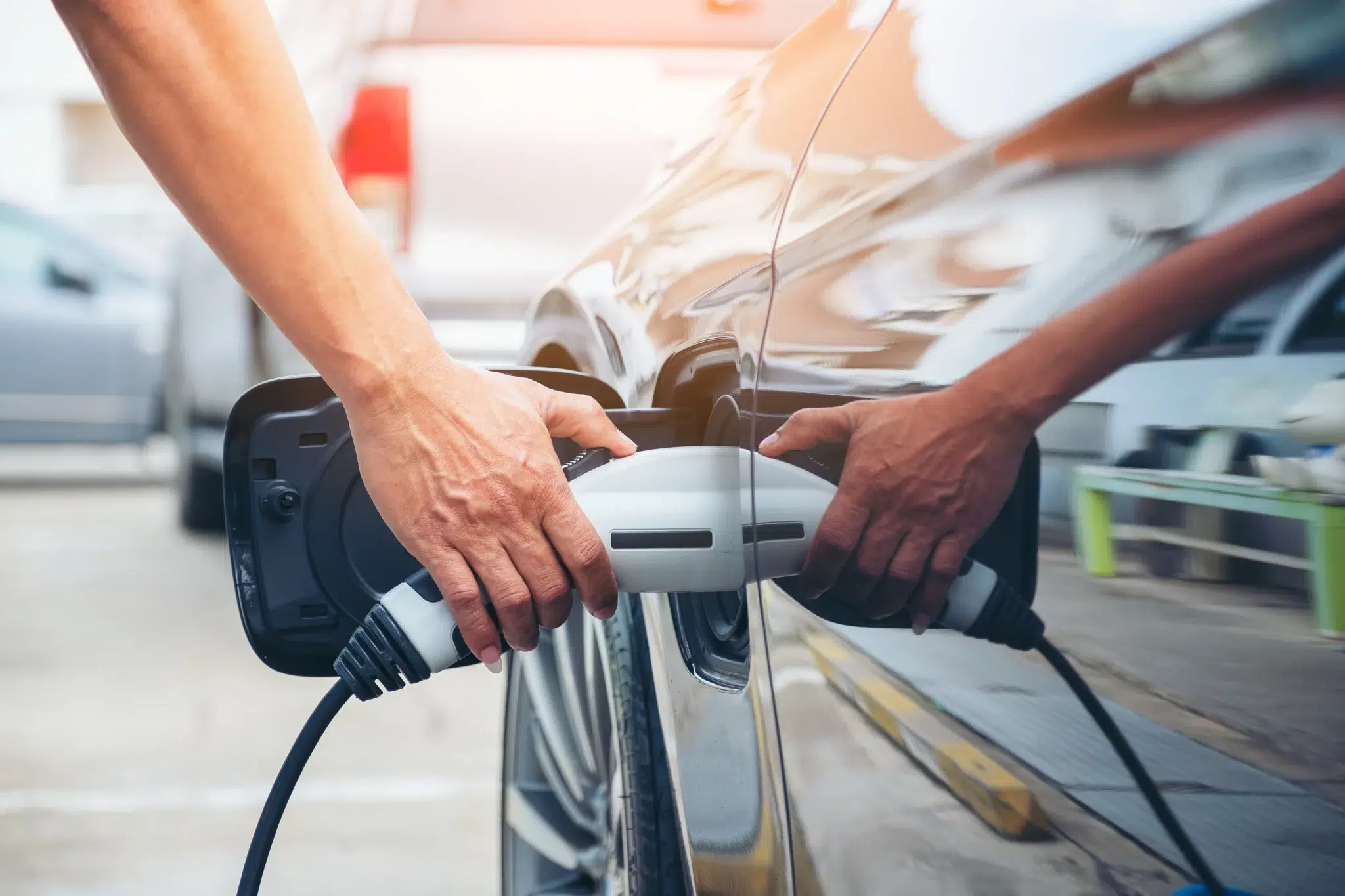
From April 2025, electric vehicles (EVs) will no longer be exempt from road tax. In the first year, EVs will incur a £10 charge. From the second year onward, cars registered after April 1, 2017, will pay an annual flat rate of £195, and those registered before April 1, 2017, will pay £20 annually. EVs priced above £40,000 will now be subject to ‘showroom’ tax annually between the second and sixth years of ownership.
Hybrid Cars
Hybrids registered on or after April 1, 2017, will lose their £10 annual VED discount starting in 2025, paying the standard flat rate of £195 per year, in line with petrol and diesel cars. Hybrids registered before 2017 will continue to be taxed based on CO2 emissions under the older system.
Autumn budget: What’s changing for your car tax in 2025
Here’s an overview of the key changes, which will take place from 1 April 2025:
Electric cars are no longer tax exempt: zero-emissions cars registered from 1 April 2025 will pay £10 in first year VED (“road tax”), then £195 for every year after that
Electric cars now have to pay the ‘showroom tax’ too: cars with an RRP above £40,000 have to pay an additional £410 per year on top of VED payments for the first five years after it’s registered, known as Expensive Cars Supplement tax (ECS). EVs were previously exempt, but this will change in April 2025
There will be VED hikes for petrol, diesel and hybrid cars: Any car with CO2 emissions between 1-50g/km (essentially most plug-in hybrids) will jump from £10 in the first year to £110. Similarly, cars in the 51-75g/km band jump from £30 to £130. And anything that emits 75g/km or more will see the first-year rate double.
Benefit-in-kind rate (Company car tax) will increase for all vehicle types:
For EVs, it will increase by 1% each year from 2025 to 2028 (currently at 2%)
Vehicles producing 75g/km of CO2 or more will see a 1% BIK rate increase in April 2025, remaining constant until at least 2028.
The percentage scale based on CO2 emissions will still apply, with a maximum BIK rate of 37% for high-emission vehicles (over 170g/km).
CO2-based tax means it’s still much cheaper to run an EV
First-Year Road Tax VED for New Cars
The first-year road tax VED for new cars is a one-time payment made when a new vehicle is registered. This rate is determined by the vehicle’s CO2 emissions and fuel type, making it a crucial factor for new car buyers to consider. Starting from April 2025, the first-year rates will range significantly, from as low as £10 for electric vehicles (EVs) to a hefty £5,490 for high-polluting cars.
For petrol and diesel cars, the rates have seen a substantial increase, effectively doubling. For instance, cars with emissions between 76-90g/km will now face a first-year road tax of £270. Hybrid cars, which are often seen as a middle ground between traditional and electric vehicles, will also see changes. Hybrids with emissions between 1-50g/km will pay £110, while those with emissions between 51-75g/km will be taxed at £130.
These changes underscore the government’s push towards reducing emissions and promoting cleaner alternatives. Whether you’re considering a petrol, diesel, or hybrid vehicle, it’s essential to factor in these new first-year VED rates when making your purchase decision.
Standard Rate Car Tax for New Cars
Once the first year is over, the standard rate car tax for new cars kicks in, applying from the second year of registration onwards. This rate is primarily based on the vehicle’s fuel type and CO2 emissions, ensuring that ongoing costs reflect the environmental impact of the vehicle.
For cars registered from April 2017, the standard rate is set at £190 for petrol and diesel cars. Hybrid cars, which offer a blend of traditional and electric power, benefit from a slight discount, paying £10 less annually. Electric vehicles, which were previously exempt, will now also pay the standard rate of £190 from the second year of registration.
Additionally, there’s an extra charge for cars with a list price over £40,000, known as the expensive car supplement. This supplement adds £410 to the annual tax bill for the first five years after the car is registered. This measure aims to balance the scales, ensuring that more expensive and potentially higher-polluting vehicles contribute more towards road maintenance and environmental initiatives.
Car tax bands explained
Vehicle tax bands are based either on engine size, or fuel type and carbon dioxide (CO2 emissions), depending on when the vehicle was first registered.
In order to tax a vehicle, it must have suitable car insurance cover and a valid MOT if it is over three years old (four years in Northern Ireland). Both are checked electronically when you apply for car tax.
How do I find out the tax band for my car?
To determine your car’s tax band, you’ll need to know the year it was registered. Check the V5C logbook for your vehicle and locate the date of first registration on the first page. With the registration year in hand, you can then identify the specific tax band and annual cost for your vehicle.
Tax bands for cars registered before 1 March 2001
Vehicles registered prior to 1 March 2001 are categorized as Private/Light Goods (PLG) vehicles, or private motor cars or goods vehicles with a maximum revenue weight of 3,500kg. There are two categories, based on engine size:
PLG Tax Class 11
Current annual tax rate
Annual tax rate from 1 April 2025
Not over 1549cc
£210
£220
Over 1549cc
£345
£375
Tax bands for cars registered between March 2001 and April 2017
Vehicles registered between March 2001 and April 2017 fall into one of 13 VED tax bands based on their CO2 emissions. Essentially, lower CO2 emissions result in a lower tax band.
Currently, vehicles with CO2 emissions below 100g/km are exempt from road tax; however, this will change in 2025 when cars in Band A will be moved into Band B.
The road tax for petrol and diesel vehicles registered during this period is more or less the same.
For alternative-fuel vehicles, like hybrids, plug-in hybrids, and those running on LPG, CNG, or biofuel, the VED is £10 less compared to standard petrol or diesel vehicles.
VED band
CO2 emissions
Annual tax rate
A
Up to 100g/km
£0
B
101-110g/km
£20
C
111-120g/km
£35
D
121-130g/km
£160
E
131-140g/km
£190
F
141-150g/km
£210
G
151-165g/km
£255
H
166-175g/km
£305
I
176-185g/km
£335
J
186-200g/km
£385
K
201-225g/km
£415
L
226-255g/km
£710
M
Over 255g/km
£735
Tax bands for cars registered after April 2017
Below you can find a comparison between the current tax rates and the new tax rates set to come into force from 1 April 2025. As you can see, zero-emission vehicles (band A) will have to pay £10 in first year VED, then £195 for every year after that:
VED Band
CO2 emissions (g/km)
First year tax rates 2024 – 2025
First year tax rates 2025 – 2026
Standard tax rates 2024 – 2025
Standard tax rates 2025 – 2026
A
0g/km
£0
£10
£0
£195
B
1 – 50
£10
£110
£190
£195
C
51 – 75
£30
£130
£190
£195
D
76 – 90
£135
£270
£190
£195
E
91 – 100
£175
£350
£190
£195
F
101 – 110
£195
£390
£190
£195
G
111 – 130
£220
£440
£190
£195
H
131 – 150
£270
£540
£190
£195
I
151 – 170
£680
£1,360
£190
£195
J
171 – 190
£1,095
£2,190
£190
£195
K
191 – 225
£1,650
£3,300
£190
£195
L
226 – 255
£2,340
£4,680
£190
£195
M
Over 255
£2,745
£5,490
£190
£195
What cars are exempt from road tax?
Some vehicles will continue to remain exampt from road tax. This includes:
Classic cars over 40 years old
Vehicles used by disabled drivers
Vehicles used to transport disabled passengers
Mobility scooters, powered wheelchairs and invalid carriages
Vehicles used just for agriculture, horticulture, and forestry e.g. tractors
How do I pay my car tax?
The simplest way to pay for road tax is online.
To do so, you’ll need a reference number from one of the following documents:
A recent reminder (V11) ‘last chance’ warning letter from the DVLA
Vehicle logbook (V5C) in your name
A green, new keeper supplement (V5C/2) from a recently purchased car’s logbook.
The online system is very user-friendly, and you can pay with a debit card, credit card, or direct debit. Note that additional charges may apply for direct debit payments.
If you prefer not to pay online, you can call the DVLA’s 24-hour service at 0300 123 4321, although direct debit is not an option over the phone.
Alternatively, you can tax your vehicle in person at a Post Office that handles vehicle tax.
When do I have to pay my car tax?
If you own a vehicle, you will automatically receive a reminder before the tax is due to expire, which is always at the end of a given month.
Essentially, if your vehicle is taxed for 12 months from 1 January, you’ll need to renew before the end of December. You can tax a car for either six or 12 months.
What happens if I don’t tax my car?
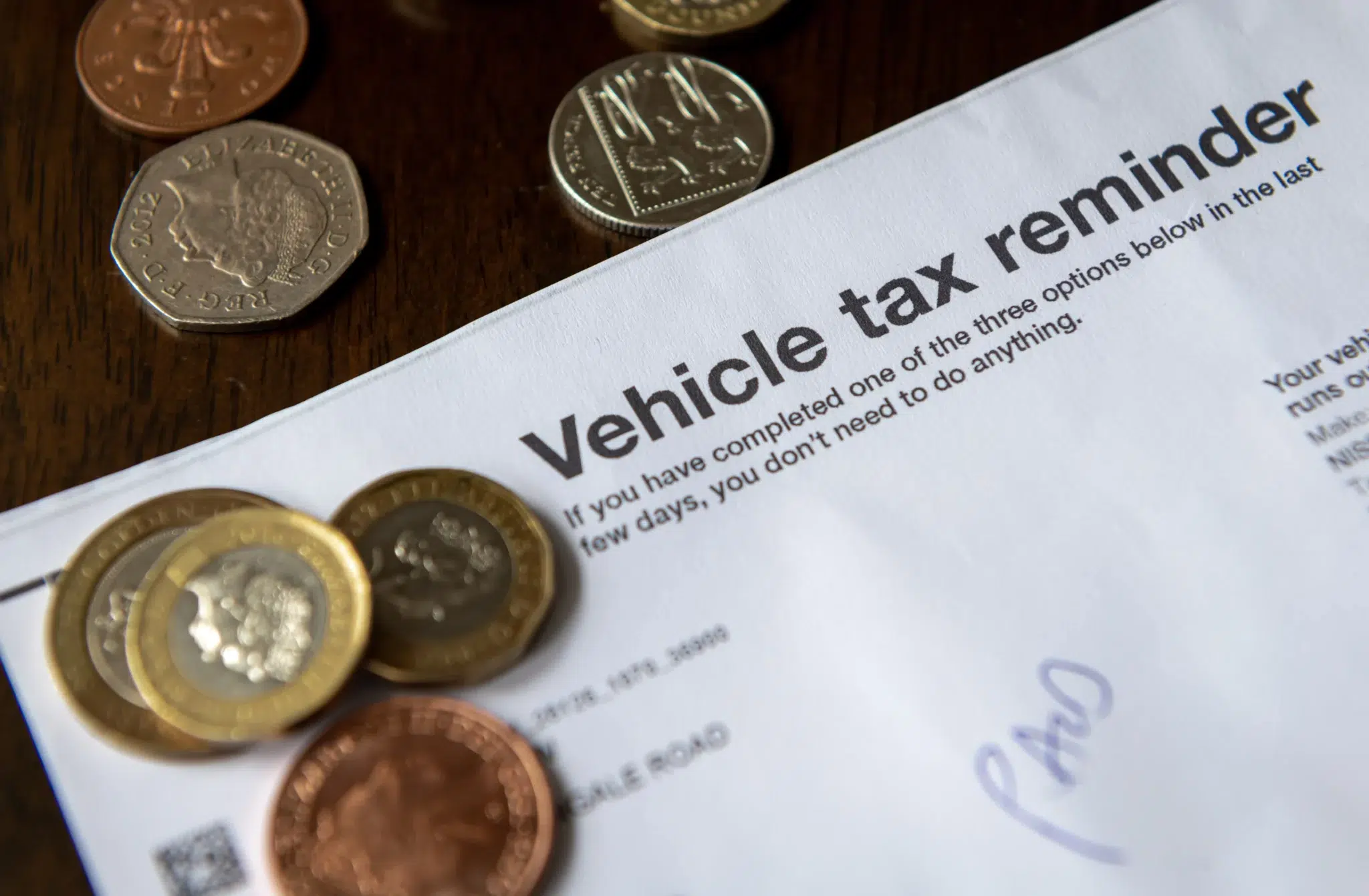
If you are the registered keeper of an untaxed vehicle, you will receive a Late Licensing Penalty (LLP) letter. The fine is £80 but can be reduced to £40 if paid within 33 days. Failure to pay will result in the case being handed over to a debt collection agency.
Anyone found using or keeping an untaxed vehicle without a SORN (Statutory Off Road Notification)* will receive an Out of Court Settlement (OCS) letter.
The OCS amount is £30 plus one-and-a-half times the outstanding vehicle tax. If this remains unpaid, the case may be taken to a magistrates’ court, where penalties can be £1,000 or five times the amount owed, whichever is higher. This penalty rises to £2,500 if you are caught using or keeping an untaxed vehicle on a public road with a SORN in place.
In both scenarios, the vehicle may be clamped, and a £100 clamp release fee must be paid within 24 hours.
If the vehicle is removed, the fee increases to £200, with an additional £21 per day storage fee starting from the day it is taken to the vehicle pound.
Driving without car tax can lead to severe consequences, including fines up to £1,000. The police now use Automatic Number Plate Recognition (ANPR) cameras to check if a car is taxed since the tax disc is no longer in use.
*You need to declare a SORN when taking a vehicle ‘off the road’ to stop taxing and insuring it.
Quickfire summary: UK car tax changes in 2025
Significant tax increases have been announced by Chancellor Rachel Reeves as a part of the Autumn budget for 2025, set to take place from 1 April onwards.
Vehicle Excise Duty (VED) – also known as car tax or road tax – is an annual tax that vehicle owners in the UK must pay to legally drive on public roads.
To determine your car’s tax band, check the V5C logbook for your vehicle and locate the date of first registration on the first page.
Vehicle Tax Bands:
Cars registered after March 1, 2001: VED based on CO2 emissions, split into bands A (lowest) to M (highest).
Cars registered before March 1, 2001: VED based on engine size
Electric Vehicles (EVs):
No longer tax-exempt from April 2025.
First-year charge: £10.
Annual flat rate: £195 from the second year onward.
EVs over £40,000: Additional £410 ‘showroom tax’ annually for the first five years.
Petrol and Diesel Cars:
CO2 emissions 1-50 g/km: First-year tax from £10 to £110.
CO2 emissions 51-75 g/km: First-year tax from £30 to £130.
Vehicles emitting 76 g/km or more: First-year rates double.
Second-year rate remains at £190 annually.
Hybrids:
Registered after April 1, 2017: Lose £10 annual VED discount, paying £195 per year.
Registered before 2017: Taxed based on CO2 emissions under older system.
Benefit-in-Kind (BiK) Rates:
Increase by 1% each year from 2025 to 2028 for EVs.
Vehicles producing 75g/km of CO2 or more: 1% BiK increase from April 2025, remaining constant until at least 2028.
Car Tax Rates Comparison (April 2025):
0 g/km: £10 (first year), £195 (standard).
1-50 g/km: £110 (first year), £195 (standard).
51-75 g/km: £130 (first year), £195 (standard).
Over 255 g/km: £5,490 (first year), £195 (standard).
Exemptions:
Classic cars over 40 years old.
Vehicles used by disabled drivers or to transport disabled passengers.
Management liability insurance is essential for protecting company directors, officers, and senior managers from personal financial loss due to claims of mismanagement, regulatory breaches, or employment practices violations.
In today’s litigious environment, even small businesses face risks from employee disputes, shareholder actions, or investigations. This cover ensures legal costs and damages are managed without threatening personal assets.
Additional layers such as Employment Practices Liability, and Directors & Officers (D&O) cover provide comprehensive protection. Investing in management liability is not just smart—it’s vital for safeguarding leadership and ensuring business continuity in the face of unforeseen challenges.
We all know bills can be hard to keep track of – especially with the rise of subscription-based services like Netflix, Amazon Prime and Spotify. It’s all too easy to sign up with companies like these and lose track.
Continuous payment authority (CPA) has become an increasingly common way for companies to process customer payments, essentially granting companies to take payment from your credit or debit card on a recurring basis.
In this guide we will break down everything you need to know about CPAs – how they work, how to manage them, and what to watch out for.
A continuous payment authority (CPA) is a type of recurring payment that gives a merchant permission to take money from your debit or credit card whenever they believe it’s owed.
Unlike direct debits or standing orders, which are set up through your bank, CPAs are agreements made directly with the merchant. This means the company has your card details and can charge the agreed amount as required.
The merchant is required to get the customer’s permission – known as ‘standing authority’ – in order to take payments whenever they become due. This means the company holds your card account information and can charge the agreed amount as required.
CPA payments are often used for subscriptions, such as gym memberships or streaming services, and don’t always follow a fixed schedule – meaning payments might be taken at different times.
How to identify a CPA on your bank statement
Continuous payment authorities can also be referred to as recurring card payments, recurring transactions, regular card payments or continuous payments.
A clear initial way to identify a CPA is that the company will request your credit or debit card number (the 16-digit number on your card) instead of your bank account number and sort code.
Continuous payment authorities can be tricky to keep track of, since they’re not explicitly listed as CPA transactions on your bank statements. To identify CPAs, review your statements for recurring debit transactions. If they aren’t marked as direct debits (DD) or standing orders (SO), they are likely CPAs.
On a credit card statement, any regular payment will be a CPA, as this is the only type of recurring payment processed via credit cards.
What are continuous payment authorities most commonly used for?
CPAs are used by businesses across a wide array of services. Some examples include:
Mobile and TV streaming services e.g. Netflix, Amazon Prime or Disney Plus.
Payday loan repayments.
Gym memberships.
Debt collection companies.
Newspaper and magazine subscriptions.
Premium mobile app service plans e.g. Spotify Premium, LinkedIn Premium or YouTube Premium.
What is the difference between a continuous payment authority, a direct debit and a standing order?
Continuous payment authorities (CPAs), direct debits and standing orders are all ways to make recurring payments, but they work differently:
Continuous Payment Authority (CPA)
This is linked to your debit or credit card, authorising a company to take payments whenever they believe they are due.
Payment amounts can vary, such as with repaying payday lenders, where the total may change based on interest or repayment terms.
Unlike direct debits, CPAs don’t always follow a fixed schedule, and they don’t have the same level of consumer protection.
You can cancel CPAs either through the company or with your bank. If funds are withdrawn without your authorization, you can still request a refund, but you must contact the company first.
Direct Debit
This is set up through your bank account, where you authorize a company to take fixed payments on a scheduled basis.
This agreement is made through a contract called a ‘direct debit mandate’.
The company must notify you of any changes, and you’re protected by the direct debit guarantee, which ensures refunds from your bank if errors occur – meaning you don’t have to depend on the company for repayment.
Standing order
A regular payment that you set up with your bank to transfer a fixed amount of money to another account (an individual or company) on a specified date. For example, a standing order could be used to ensure rent is regularly paid to your landlord on time.
Standing orders can be cancelled any time through your banking app, or by contacting your bank.
Essentially, direct debits offer more control and security, standing orders provide consistency for fixed payments, while CPAs provide flexibility but require careful monitoring.
How do you set up a continuous payment authority?
Continuous payment authorities can be set up online, in person, or over the phone. Instead of providing bank details, which are typically required for direct debits, the customer authorises the merchant by sharing their debit or credit card details, using the 16-digit number found on the card.
The payment date and amount may vary each month, depending on the terms you’ve agreed upon with the company.
While reputable companies should clearly outline your commitment and adhere to an agreed payment schedule, you should always check the terms and conditions and make sure you understand the payment terms.
Can I stop a continuous payment authority?
Yes – as the consumer you have the legal right to cancel a continuous payment authority at any time. Even if the company refuses, your bank is required to stop them on your behalf.
How to cancel a CPA: step by step
1. Contact the company taking recurring payments
The best approach is to start by reaching out to the company and requesting that they stop taking further payments. You can usually do this online by email, or over the phone. Most legitimate businesses will comply with this.
However, if you’re locked into a contract – such as an annual gym membership – consider the consequences before pursuing cancellation. You may need to find another way to settle the payment to avoid breaching the agreement.
Remember that you remain responsible for any debts owed to the company even after you cancel a continuous payment authority.
If you aren’t contractually obligated, you can formally dispute the transaction by phone or in writing. Ideally, the company may decide to close the account rather than contesting the dispute.
2. Ask your bank or credit card provider if it becomes necessary
If the company refuses to cooperate, you can contact your bank or credit card provider to stop the payments. According to the Financial Conduct Authority (FCA), banks are required to cancel a CPA upon request.
While you could skip step 1 and go straight to your bank or credit card provider, it’s generally advisable to contact the company first, as outstanding balances may still need to be addressed.
3. If your bank fails to act
FCA regulations also state that banks must refund payments if they failed to cancel a CPA when asked. If charges continue despite your request, you should notify your bank – they are legally required to reimburse the full amount.
For example, if your £30/month gym membership subscription continued for three months after cancellation, your bank must refund £90, plus any interest incurred – such as credit card interest on unpaid balances.
Does a CPA affect credit score?
While a continuous payment authority (CPA) itself doesn’t directly impact your credit score, how you manage it can have repercussions – here’s how:
Missed or late payments
If a CPA is linked to a credit card and payments aren’t made on time, it could lead to late fees and negatively affect your credit score.
Overdraft usage
If a CPA causes your bank account to go into overdraft, it might signal financial strain, which could impact your credit score.
Debt accumulation
If you rely on CPAs for recurring payments but struggle to keep up, it could increase your overall debt, affecting your ability to borrow in the future.
What happens to my continuous payment authority if I change bank account?
Unlike direct debits and standing orders, continuous payment authorities won’t automatically transfer to your new account when you switch bank accounts.
You are responsible for reaching out to the company and updating your payment details to ensure payments continue and avoid missing any.
What happens to my continuous payment authority if my card expires?
If your card expires, your continuous payment authority (CPA) won’t automatically transfer to a new card. The payments may be declined unless you update your details with the company or your bank. Some banks may attempt to carry over CPAs to a replacement card, but it’s always best to check and ensure your payment method is up to date.
Can continuous payment authorities be taken out on both debit cards and credit cards?
CPAs can be set up on both debit and credit cards. Any recurring payment charged to a credit card is automatically a CPA, as credit cards don’t support other types of recurring transactions.
Continuous payment authorities: key takeaways
A continuous payment authority (CPA) allows a company to take recurring payments directly from a credit or debit card, linked to the customer’s card account.
Unlike direct debits or standing orders, which are managed by your bank, CPAs are agreements directly with merchants, meaning they hold your card details.
Unlike direct debits, CPAs do not benefit from the direct debit guarantee, meaning consumer protections are more limited.
You have the legal right to cancel recurring payments at any time. You can cancel directly with the company or through your bank, who must stop payments immediately upon your request.
If further payments continue after cancellation, these are considered unauthorised transactions and must be refunded without unnecessary delay.
Payment services regulations outlined by the FCA require companies to obtain the customer’s informed agreement before setting up a CPA and to comply with relevant laws.
If a company is incorrectly refusing to cancel recurring payments from your CPA or making repeated attempts to take payments, you can escalate your complaint to the financial ombudsman service.
CPAs can be used for a variety of services, including payday lenders, insurance premiums, gym memberships, and more.
It is important to regularly check your account statement or next statement to monitor for any unauthorised payments.
If you change your bank account or your card expires, CPAs do not automatically transfer, so you must update your debit card details accordingly.
If you encounter issues, visiting a bank branch or contacting your card issuer promptly can help resolve problems with CPAs.
Building societies and card issuers are all subject to payment services regulations to ensure fair treatment of customers in CPA matters.
How Howden can help
Through our strong relationships with selected insurers, we can help you find the right policy for your needs. Whether you’re looking for home insurance, contents insurance, or gadget and possessions insurance, speak to our team today. We’ll not only help to save you money but will ensure all your valuables are properly protected.
Recent cyberattacks targeting major UK retailers, including M&S and the Co-op, have left many consumers concerned about the safety of their personal information. While both companies confirmed that no payment or card details were compromised, customer names and contact details were accessed—reminding us all that even basic information in the wrong hands can be misused.
If you’ve shopped with one of these retailers recently or are just looking to boost your online security, here’s what you can do:
Change your password
Start by updating your passwords, especially for any accounts linked to the affected retailers. If you’ve reused the same password across different platforms (for example, using the same login for online shopping and your email), change those too. A strong password includes a mix of upper- and lowercase letters, numbers, and symbols—and avoid obvious choices like Password123.
Set up multi-factor authentication
Multi-factor authentication (also called two-factor authentication) adds an extra step to the login process—like entering a code sent to your mobile after typing your password. It’s a simple but powerful way to stop hackers, even if they’ve stolen your login details.
A bonus tip: if you receive a login code that you didn’t request, it could be a sign someone else is trying to access your account. Take it seriously and change your password immediately.
Watch out for phishing scams
In the wake of high-profile breaches, phishing scams often spike. These emails might look like they come from a trusted brand but are designed to steal your personal or financial information.
Not sure if an email is real?
Don’t click on any links or download attachments.
Check the sender’s email address—it may be slightly misspelled or unfamiliar.
Hover over links to preview where they lead.
Keep your antivirus software up to date to catch threats early.
If someone claiming to be from your bank or a retailer contacts you out of the blue, never share personal details straight away. Hang up and call the company directly using a number you trust.
Talk, report and get support
If something doesn’t feel right—pause. Don’t feel pressured to act quickly, especially if someone’s asking for sensitive info. Talk to a friend, family member, or even your bank or insurer if you’re unsure.
Anyone can be caught out by a scam, so don’t feel embarrassed. Reporting it can help others stay safe, so forward suspicious emails to: report@phishing.gov.uk.
And remember, if you want to speak to someone face-to-face, our team of insurance advisors is here to help. Drop into your local Howden branch or give us a call—we’re always happy to offer advice and peace of mind.
Sources: Which?, This Is Money, The Independent, Sky News
Can anything beat the stunning views, fresh air, and natural beauty of a walk along the coast? While the British weather is sometimes lacking, there’s no denying we have wonderful trails along our coastline.
Perhaps you’re looking for simple ways to get out and about during summer weekends? Or, you could be planning for what to do during your UK staycation? Either way, here’s some inspiration to get you started.
Cornwall: Fowey Harbour to Polkerris Bay
A popular tourist destination, you’re spoilt for choice along Cornish shores. The walk from Fowey Harbour to Polkerris Bay comes in at just under five miles, which you can extend by taking the circular route back to your starting point.
Pack a towel, and perhaps a swimsuit if you feel like braving the water! There are secret beaches to be discovered enroute, offering beautiful views, as well as the Wreck of Romanie at Polridmouth Cove.
East Yorkshire: Holderness Coast
From Bridlington, the walk begins along Belvedere Parade and continues south along past Wilsthorpe, before opening out onto a cliff edge path. If you’re lucky, and the season’s right, keep an eye out for butterflies as you make your way towards Fraisthorpe beach. Once there, why not enjoy a coffee or cake at The Cow Shed café, while you enjoy the views of the bay?
You can walk along the beach back, and look out for seabirds and waders, as well as World War II sea defences; a mixture of nature, history and varying paths to keep you entertained along this 6 mile walk.
Devon: Baggy Point
This North Devon route is perfect for families, or those who need an accessible route. It’s a circular route, just east of Croyde beach, and bar a few rocky patches, is an easy path.
And as a Site of Special Scientific Interest, due to its geological features, there’s no shortage of jaw-dropping scenery, and seabirds and wildflowers to spot. If you need to keep little ones engaged, it’s a great path to try a nature treasure trail.
Kent: Hythe to Folkestone
Make your way along the picturesque Royal Military canal before crossing to the Hythe seafront to enjoy the boardwalk and dramatic sea towards Sandgate. Here you can wander through the village’s quirky shops, before continuing on to Folkestone.
If you’re enjoying a family walk, there’s a free adventure park; Lower Leas. But it’s a wonderful, vibrant walk sure to please anyone.
Norfolk: Clifftop
With the Norfolk Coast Path, you’re spoilt for choice. But one section in particular climbs from the pretty fishing village of Weybourne, stretching along clifftops overlooking the North Sea.
Norfolk has a reputation for being flat, but this walk gives you views of rolling fields and woodland, as well as glimpses of the steam trains making their way along the Poppy Line to Holt. Follow the path up to the lifeguard lookout point, then head into Sheringham. From here, you can catch the Coasthopper bus back to Weybourne.
During your walk along the shore, there’s plenty to enjoy. But it’s also important that you’re prepared, and know how to stay safe on your journey.
Weather conditions
Check the weather forecast before you head out. It’s always handy to have an extra layer, as it can get windy on top of high points, or in case of a classic British summer downpour – a waterproof. A sunhat, and SPF if it’s going to be a hot one are essential, to prevent sunstroke.
It goes without saying, but a good pair of shoes are a must. For tarmac and flat routes, something comfortable will be fine, but more advanced trails call for trainers, or even walking boots.
Let friends and family know
This is especially important if you’re heading out alone or in a small group. Informing your trusted friends and family about your plans is a handy back-up, should the worst-case scenario occur, and you get injured or have an accident.
Yes, nine times out of ten, everything will be fine. But just a simple message once you set off and get back home is good practise. Plus you can always share your best snaps from the route!
Pack water and snacks
Just like cars, humans need fuel too – and while you’ll often find pubs, cafés and kiosks enroute, you might be in a more isolated area, or find them closed in quieter seasons.
A water bottle or two, plus some nutritious, calorie-dense snacks like trail mix, cereal bars or dried fruit are essential. And remember to take your litter home with you!
Be aware of potential dangers
Coastal walks often cover clifftop paths, which offer amazing views – but can come with risks. Steep drops, loose terrain can all pose a danger. Always watch your footing, don’t get too close to the edge, and take extra care in wind, rain, and going downhill.
However you holiday, we’re here
Whether you’re off abroad, touring in your caravan, enjoying a mini-break or wild camping, our expert insurance advisors are here to help. We have leisure specialists who can understand your personal requirements, and find a policy that suits you.
Find your nearest branch here, and talk to our team however you prefer – in person or over the phone!
Sources: Ramblers Org, National Trust, The Guardian, Country Living
Imagine walking down a busy city street, minding your own business, with your mobile phone in hand. Perhaps you’re following Google Maps or searching for your train ticket. When suddenly someone zooms past you on a bike and snatches your phone in the blink of an eye.
Do you chase after them? It’s unlikely you’ll catch up, especially once you’re over the initial shock. But with how much personal data is stored on our phones nowadays, it could be a much more costly crime than the price of a new phone for you.
Whether you’re a big city resident, or travelling this summer, anyone could be vulnerable to this kind of attack. Phone theft is rising at a rapid pace, with criminal gangs exploiting the lucrative value of all our personal financial information.
[ifso id=”58139″]
Why do thieves want our phones?
With a new smart phone going for around £250-500, and resale value likely less than that, what’s really in it for these criminal gangs? There’s been large increases in phone theft in the last year, as criminals know they can generate much more if they can compromise your security settings and monetise your data.
For criminal gangs, phone theft requires less effort and violence than other organised crime, with a lower chance of getting caught, and lower penalties if they even do. The amount of money gangs can make is potentially much higher, especially if they can use your phone to crack your digital life open.
Think what’s stored on your phone; banking apps, emails, passwords, Apple Pay, maybe even screenshots or photos of important personal information. All a thief needs to do is turn off your stolen phone’s location, so you can’t trace it, and start accessing your accounts and changing passwords.
And even with two-factor authentication protections in place, this will likely come through to your phone via text or email. So the thief can log in unimpeded and get unlimited access to your data. They can start stealing your money, and even applying for loans and overdrafts in your name. Thieves can also start targeting your contacts, sending phishing scams and other dodgy tactics – maybe even impersonating you and extracting money from your friends and family.
As for the phone itself, once the sim is locked and the phone reported stolen, it cannot be used on any UK networks. It will alert as stolen if anyone tries to pawn or sell it to a reputable second-hand shop. But that doesn’t make it worthless. Barred handsets can be shipped overseas and used on foreign networks with a new sim card. So let’s tot up those totals:
The handset = £200
Your data = Depending on your financial profile, potentially thousands
An endless web of scam targets = Priceless
How bad is the phone theft spate?
The latest official figures for England and Wales reveal that police are dealing with the highest level of “theft from the person” offences recorded in two decades. This type of crime, where items are taken without the threat or use of violence, includes pickpocketing as well as snatching. It declined during the pandemic, but police records show an 18% increase in the past year; according to Crime Survey data, one in three items stolen is a phone.
London is the epicentre for phone theft. Metropolitan Police data indicates a phone is stolen every 10 minutes in the capital – and this is based on those who report the crime; many people don’t. Mobile phone theft from the person reports increased by 33% in the year to January 2024.
UK Finance reported a record high total lost from mobile banking fraud in the first six months of 2023, of £18.7M. The number of cases also reached a new high, up by 32%, with an average loss of £2,314 per customer.
What tactics do phone thieves use?
Look up and down any busy street, and huge numbers of people walk around with their phones unlocked in their hands, on display. They might have their headphones in and not be aware of their surroundings — but the criminals are paying close attention.
The data doesn’t tell us how phones are stolen, but many victims have reported ‘bike swiping’ or ‘snatching’, where an e-bike or scooter rider has zoomed past and simply grabbed their phone. It’s fast, efficient, and gives the target no time to see the warning signs, nor react, while the thief makes a quick getaway. There’s also pickpocketing, popular in tourist hotspots where people are easily distracted by their surroundings.
And even if your phone is locked, don’t be so sure that your data is protected. ‘Shoulder surfing’, and even covert filming means thieves can obtain your passcode and pins by spying on you before stealing your phone, knowing the valuable keys to unlock apps and other services on your device.
Even once you’ve reported the crime, and got a replacement handset with your number, be prepared for a barrage of phishing attempts. You may get phone calls, some automated and some from ‘real’ people, claiming to be from organisations you hold accounts with wanting to help “reset your security details”. It’s incredibly unsettling, and easy to fall for, given the circumstances that your data has indeed been compromised.
How can you protect yourself from phone thieves?
As with any crime, it’s important you contact the police to report the incident. But be prepared for disappointment; just 2% of reported phone theft in London resulted in the device being recovered.
The best form of protection is prevention. But not having your phone on display in public is easier said than done. We all use our devices for travel, to pay, listen to music, or catch up on texts and emails while we’re on the go.
Be especially vigilant near train, underground and bus stations. These are prime hunting grounds, as we fumble for our tickets and work out where to head next using a navigation app. You’re easily distracted in this moment, so a thief could easily snatch your phone.
Storing your driving license and multiple bank cards in one handy phone case is a further gift for thieves. Yes, it’s convenient, but if you were to lose one, you’ve lost all your most valuable items in one fell swoop. Keep your bank cards and ID separate from your mobile.
As well as a more compact phone case, consider a privacy screen for your device. These are applied to the face of your device as an anti-spy layer that limits the viewing angle of your display and could prevent ‘shoulder surfing’. They can also prevent scratches, so it’s a win-win!
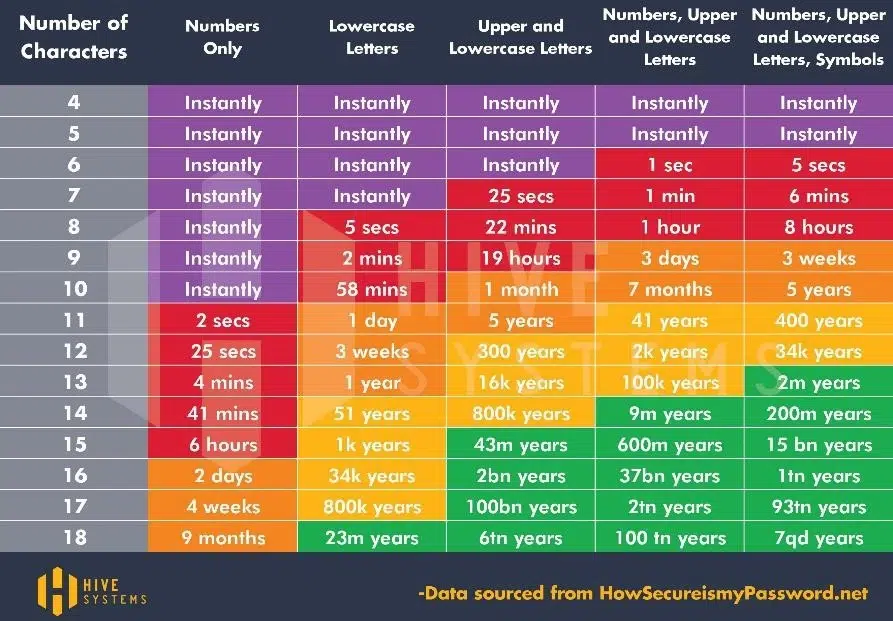
And finally, consider your ‘cyber hygiene’. Do you use the same password for virtually everything? You’re not alone. Around a fifth of us use the same password for multiple sites, and also include a significant date or pet’s name, making us even more hackable.
The best passwords are unique, lengthy, and complex, i.e. a mix of numbers, symbols, upper and lowercase letters. Here’s a handy guide, which shows how simple changes like replacing letters with numbers and symbols makes your passwords harder to crack.
Can you insure your mobile phone?
In short yes – your phone can fall under your contents insurance, or you can have specific gadget insurance. But it’s important you read the fine print and understand exactly what’s included and how you’re covered.
Mobile phones can be an optional extra as part of contents insurance, under unspecified items. But it must be within the single article limit, alongside any other items you or your family carry outside the home. You may need to have a specific Personal Belongings cover option for items you take outside the house – as we often do with our phones!
Having the right gadget insurance gives you peace of mind that, if anything does happen, you know you’re covered for the cost of repairs or replacement. As not all policies are the same, Howden Insurance can help you compare the various cover options to work out what’s the best fit for you. We’ll help make the process simple and easy, doing the heavy lifting so that you don’t have to.
Find your nearest Howden branch, and speak with our team in person, or over the phone.
Sources: Financial Times, BBC News, Android Authority, The IET