Many tradespeople work incredibly hard yet still feel like their bank balance does not quite reflect the effort. Underselling happens quietly – a job looks simple at first, the client seems reasonable, and you want to stay competitive. Before long, you realise you priced too low, and now you are working flat out for a thinner margin than you deserve.
Pricing properly feels uncomfortable at first, but it can transform your profitability when you get it right. The following ideas are to help you earn what your skill is worth and keep your livelihood secure.
1. Know your actual hourly cost
Plenty of tradespeople choose a number that feels about right, although this rarely covers everything. When you calculate your real hourly cost, you stop guessing and start pricing from a position of strength.
Once you understand the true figure, you can build quotes that support a sustainable business rather than one that relies on luck.
2. Add profit with purpose, not guilt
Some tradespeople feel awkward adding a profit margin, yet that margin pays for future tools, downtime, holidays, and the rainy days no one expects. When you add profit deliberately, you create stability.
Try using a simple percentage so you stay consistent across every job. Profit should never be an afterthought – it is a central part of running a trade business that can survive bumps in the road.
3. Break quotes into parts instead of giving one round number
Clients see much more value when a quote is broken down clearly. It also stops them comparing your number with someone else’s without understanding the difference in quality, materials, or safety.
A breakdown can include:
Labour
Materials
Waste disposal
Specialist equipment
Travel
Any access issues
This style of quoting often removes pushback because the client sees exactly what they are paying for. It also gives you room to adjust individual items without discounting your entire day rate.
4. Price for the job in front of you, not the job the client describes
Clients mean well, but they rarely explain the full picture. A job described as simple sometimes hides complications behind walls, under floors, or within wiring that has been altered a number of times over the years.
Whenever something sounds too straightforward, take a moment and ask more questions. Look for access, materials needed, and risks that could slow you down. A quick site visit usually saves you from quoting too low and regretting it halfway through the work.
5. Build contingency into every quote
Unexpected hiccups appear on even the tidiest jobs – old houses reveal surprises, suppliers change stock without warning, weather causes delays etc. A small contingency protects you from absorbing these issues into your own profit.
Many tradespeople use a five to ten percent buffer. It keeps the job safe while allowing you to handle surprises calmly and clients usually accept this when it is explained clearly.
6. Try not to write quotes in the evenings when you’re tired
Late night quoting leads to mistakes, missed items, and numbers that feel safe at the time but hurt you later. Doing the quote detail during working hours helps you think clearly and charge properly. If that means blocking a morning slot once a week, the long term gain is huge. You stop leaving money on the table and start valuing your time exactly as a professional should.
7. Use option pricing to avoid downward pressure
Giving clients a single price invites negotiation. Offering options puts the control back in your hands.
For example:
Option 1 covers the basics at your standard quality.
Option 2 includes upgraded materials or a quicker turnaround.
Option 3 adds a premium finish or extended guarantee.
Options shift the conversation from price cutting to value choosing. Many clients naturally pick the middle option, and your margin stays intact.
8. Charge for small jobs properly
Short jobs are rarely short once you include travel, setup, and clean up. This is where tradespeople consistently lose the most money.
Introduce a minimum charge that covers the time it takes to do the job properly. Clients understand minimum rates when you explain that travel and preparation are part of the work. This protects your day and stops you running around doing freebies.
9. Use a variation process to avoid free extras
A friendly variation process stops jobs drifting into unpaid territory. A simple line works wonders:
“I can add that to the job. I will send you the price for the extra work before I go ahead.”
This protects your time and gives clients clarity. It also stops you absorbing small tasks that slowly erode your profit.
Pricing properly is not only about money. It protects your livelihood, supports your professional reputation, and keeps stress at manageable levels during a busy season. When you quote confidently and value your skill, you attract clients who respect your work and build a business that grows steadily instead of surviving on thin margins.
At Howden, we’re here to support you whatever business you’re in, while you focus on what you do best; getting the job done.
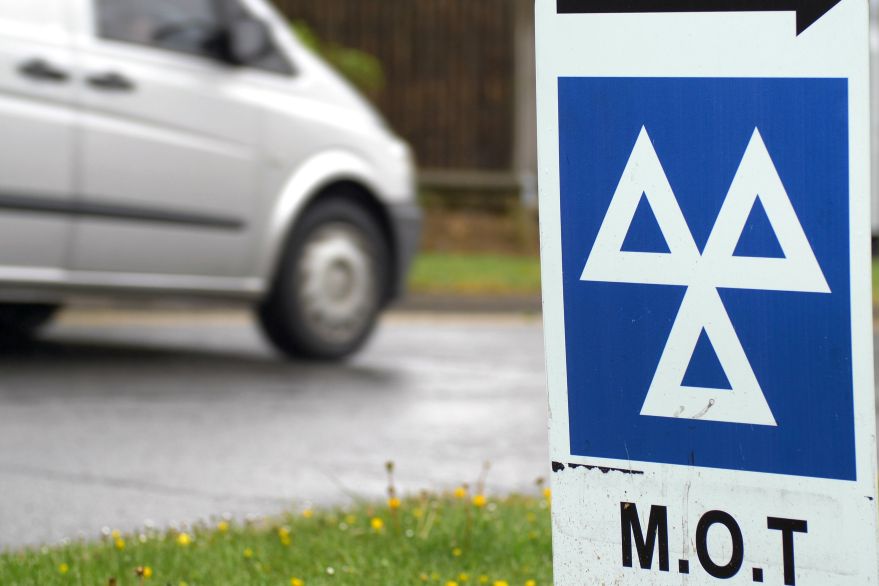
If you drive a van, you already know it works harder than the average car. Long days, heavy loads, endless miles. So, when MOT time rolls around, the stakes feel higher – and the data backs that up. Vans fail their MOT more often than cars, and for very different reasons.
A couple of months ago, we explored which van models are most likely to fail their MOT. Now we’re looking at the why – the faults most likely to cause a fail, how often they happen, and what this says about how long vans really last on the road.
The 25 most common van MOT fail reasons
According to DVSA vehicle history data, these are the faults most likely to bring a van to a halt come MOT time. The numbers show just how often these issues crop up:
Nearside Front position lamp(s) not working (1.1.A.3b)
2,210,491
10
Nearside Front Tyre tread depth below requirements of 1.6mm (4.1.E.1)
2,177,809
11
Nearside Rear Suspension spring mounting prescribed area is excessively corroded (2.4.A.3)
2,022,118
12
Service brake efficiency below requirements (3.7.B.7)
1,944,334
13
Offside Front position lamp(s) not working (1.1.A.3b)
1,921,198
14
Offside Rear Suspension spring mounting prescribed area is excessively corroded (2.4.A.3)
1,883,098
15
Nearside Stop lamp not working (1.2.1b)
1,841,696
16
Offside Stop lamp not working (1.2.1b)
1,744,961
17
Registration plate lamp not working (1.1.C.1d)
1,729,689
18
Offside Front Brake pipe excessively corroded (3.6.B.2c)
1,368,179
19
Offside Rear fog lamp not working (1.3.2b)
1,285,069
20
Brakes imbalanced across an axle (3.7.B.5b)
1,279,639
21
Engine MIL inoperative or indicates a malfunction (8.2.2.2 (g))
712,588
22
Offside Rear Coil spring fractured or broken (5.3.1 (b) (i))
557,100
23
Handbrake efficiency less than 50% of the required value (1.4.2 (a) (ii))
490,686
24
Horn not working (1.6.2a)
462,678
25
Nearside Track rod end ball joint has excessive play (2.2.B.1f)
458,480
The top failure reasons explained
Handbrake efficiency
This isn’t just the top reason vans fail – it’s miles ahead of every other fault.
Vans carry heavier loads, park on more varied terrain, and often spend long hours stop‑starting in traffic. All that strain puts extra pressure on the handbrake mechanism. And because handbrake wear is gradual, many drivers don’t notice a problem until MOT day.
Interestingly, handbrake issues are also the most common cause of MOT failure in cars – but the scale is far higher in vans.
Registration plate lamps
Cars rarely fail for a number plate bulb. But vans? They fail for it a lot. Why?
Because vans take more knocks. Rear doors slam harder. Loads shift. Bulbs rattle loose. And because registration lamps sit low on many vans, they’re more exposed to dirt, salt, and water – all things that ruin wiring.
A blown plate bulb sounds small, but it’s a legal requirement and can carry a fine of up to £1,000 if the plate isn’t properly lit.
Windscreen wipers and washers
Vans do long motorway miles, early starts, late finishes, and plenty of winter driving. Wipers take a beating. And while a smeary windscreen might feel like a minor annoyance, it’s an instant MOT fail.
Washers failing because they’re empty is surprisingly common too – something easily fixed before the test.
How long do vans last before their first MOT failure?
Using DVSA data for van models manufactured for more than 5 years (and with 5,000+ recorded tests), we can see how long different makes last before failing their MOT for the first time. And there’s a clear winner; many VW vans go over 15 years before their first recorded fail.
Rank
Make
Average Age at First MOT Fail
1
Volkswagen
15 years 7 months
2
Toyota
11 years 9 months
3
Fiat
11 years 3 months
4
Suzuki
11 years
5
Renault
10 years 11 months
6
Peugeot
10 years 8 months
7
Daihatsu
10 years 6 months
8
IVECO
10 years 6 months
9
Ford
10 years 3 months
10
Vauxhall
10 years 3 months
11
LDV
10 years
12
Mercedes-Benz
10 years
13
Citroen
9 years 6 months
14
Nissan
9 years 2 months
15
Mitsubishi
9 years 2 months
16
MAN
3 years
Why vans wear down faster than cars
Vans aren’t just used differently – they’re used harder. Here’s what accelerates wear:
1. Long mileage days
Many vans clock more miles in a year than some cars manage in five. More miles = more mechanical wear.
2. Heavy loads
Most cars aren’t expected to haul tools, equipment, parcels or stock daily. But many vans do just this! Suspension, brakes, handbrakes and tyres all take the hit.
3. Stop‑start driving
Deliveries, site visits, urban routes. Nothing wears brakes out faster.
4. Working environments
Vans face tougher conditions:
construction sites
muddy tracks
coastal routes
winter grit
pothole-heavy rural lanes
All of it accelerates corrosion and mechanical strain.
5. Drivers rotate – usage doesn’t
Fleet vans especially may have multiple drivers. That means driving styles vary wildly, which affects wear.
All together, it paints a clear picture: vans work harder, and their MOT failures reflect it.
Keep your van working – and your business moving
Most MOT fails are avoidable. You know your van is your livelihood – and we’re here to help protect it.
Managing your day‑to‑day expenses in retirement can feel a bit like juggling with oven mitts on. You spend decades building financial stability, and now the priority is keeping it – without any surprise costs knocking your plans off course.
But one unexpected bill is catching more pensioners out than most: private medical treatment.
When NHS waiting times stretch on and on, many people turn to private healthcare to avoid months (or even years) of discomfort, pain, or uncertainty. And for pensioners – who often have fewer ways to boost their income – those costs can land at the worst possible time.
The rising reality of self‑funded care
There’s a reason this topic is starting to dominate retirement planning conversations. The state pension agecurrently stands at 66. But our research found that people aged over 65 typically face more than £3,300 for private treatment when paying out of pocket.
This highlights just how steep those expenses can be when you aren’t covered by a private medical insurance policy. For many, the real figure is even higher. We also found that, on average, people who choose to self‑fund private healthcare spend nearly £6,000. And for one in seven people, the total jumps to more than £15,000.
That’s not a small bump in expenses. That’s the kind of cost that can undo years of careful saving. What makes the situation tougher is that many people only turn to private care in moments of urgency or worry.
Why does planning ahead matter?
While the NHS remains a lifeline for millions, the pressure on services is real and felt sharply by people over 65. Among older patients, the most common reasons for private claims include:
Optical treatments
Physiotherapy
Diagnostic tests and scans
Musculoskeletal conditions
Gastrointestinal issues
These are also the areas where NHS waiting times tend to be longest. In fact, more than one in five patients are currently waiting longer than the six‑week NHS diagnostic target.
It’s no surprise, then, that pensioners often start with the NHS but later feel forced to go private. Not out of impatience – but out of necessity. When a condition affects your mobility, independence, or comfort, waiting simply isn’t an option.
Grace Dowling, Head of Marketing at Howden Life & Health, explains: “Planning ahead is crucial because private healthcare is significantly easier, cheaper and far less stressful to access when you already have cover in place.
“Private medical insurance enables faster diagnosis and earlier intervention, which can make a significant difference to outcomes and independence later in life.”
In other words: timing matters. And so does planning.
Why taking out private medical insurance early matters
Here’s a truth many people don’t realise until it’s too late: insurers generally won’t cover conditions that have already appeared. If you wait until symptoms crop up, those symptoms – and the issues linked to them – are likely to be excluded.
That’s why taking out a policy earlier can make such a difference. Private medical insurance works best when you get it in place before you need it.
There’s another perk: once you’re insured, accessing private healthcare becomes simpler, faster and far less stressful. No sudden upfront bills. No guesswork about what a treatment will cost. No frantic Googling to compare prices in a moment of panic.
How much does cover actually cost?
Howden’s analysis found that full private medical insurance for individuals typically ranges between £167 and £333 per month, while couples usually pay between £226 and £532 per month.
If you’re not looking for full cover, a diagnostics‑only plan – designed to get you quick access to scans, tests and initial investigations – starts at £65 per month for individuals and £110 per month for couples.
For many pensioners, having cover in place brings a rare combination of financial predictability and peace of mind. You don’t have to wonder what a future procedure might cost. You don’t have to fear that one health issue could wipe out years of savings. You know you’re protected.
What does Private Medical Insurance actually include?
Think of it as a safety net: one that catches you before costs spiral, waiting lists grow, or a health worry becomes an emotional and financial burden. If you’re planning your retirement – or already enjoying it – PMI can be a powerful way to protect your wellbeing and your wallet.
As part of our campaign to support British farming, we created this blog to provide farmers with a platform to share their stories and experiences, offering insights beyond what you see on their Instagram accounts. Read below to take a walk in Ann’s (@anngroat_x) wellies, who takes us through the journey on how she ended up with her smallholding…
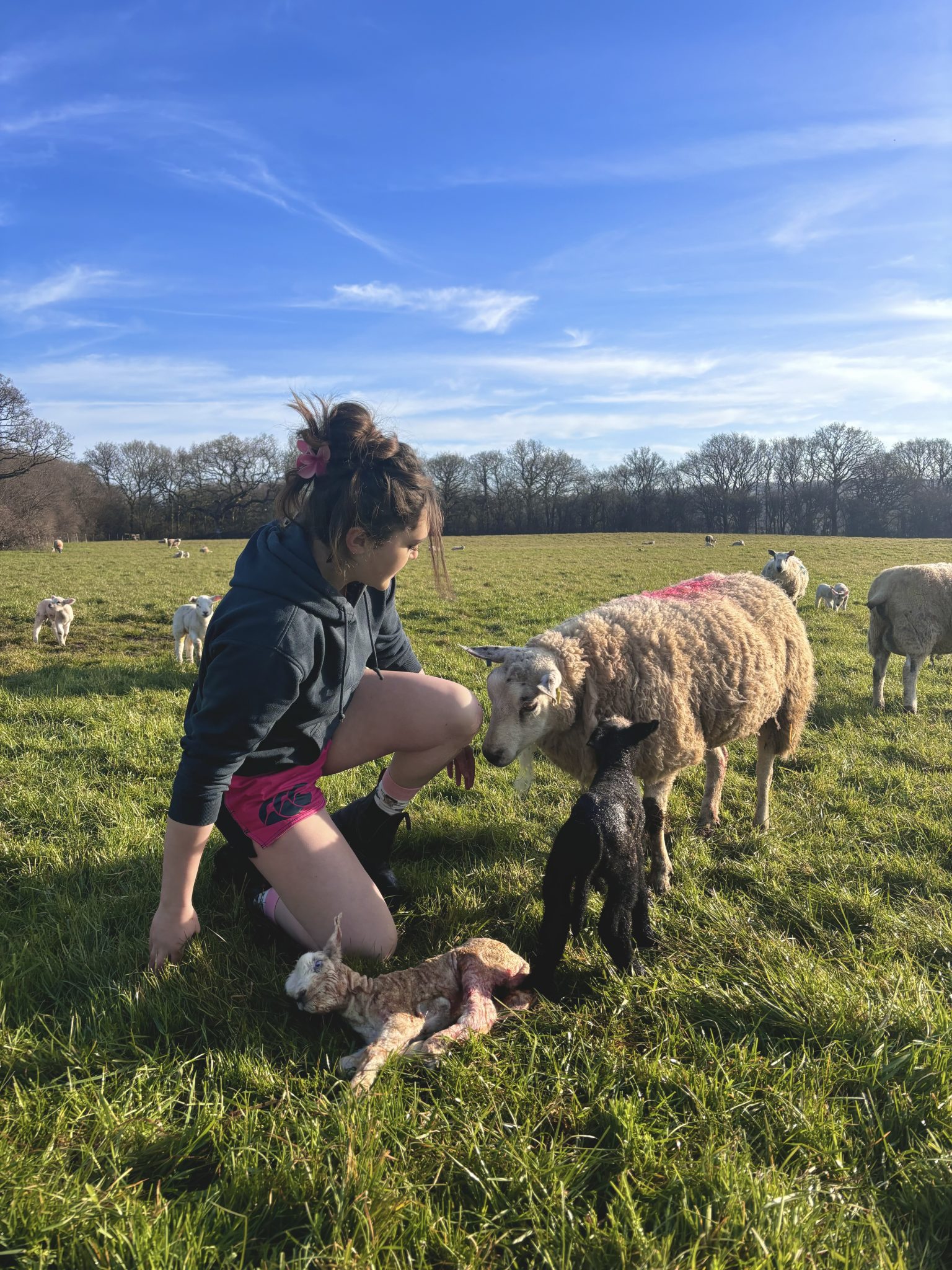
Hi, I’m Ann — a 27-year-old Scottish girl, proudly raised on the tiny island of Shapinsay in the Orkney Islands, where the population is just around 300! Growing up there was such a privilege, and I feel incredibly lucky to call it my childhood home. While I’m not from a farming family myself, Orkney has a deep rooted agricultural community, and from a young age I have been surrounded by hardworking, passionate farming families.
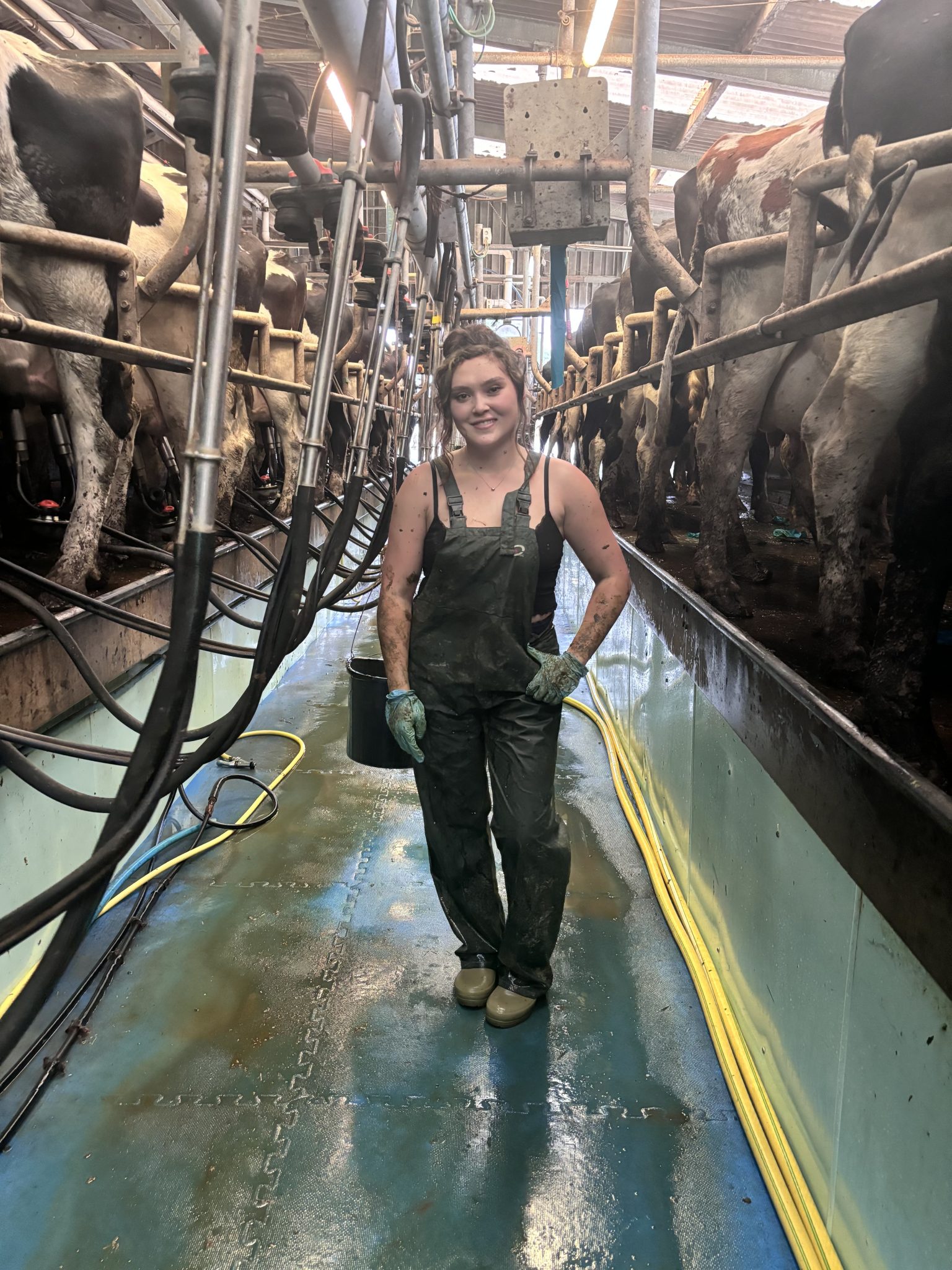
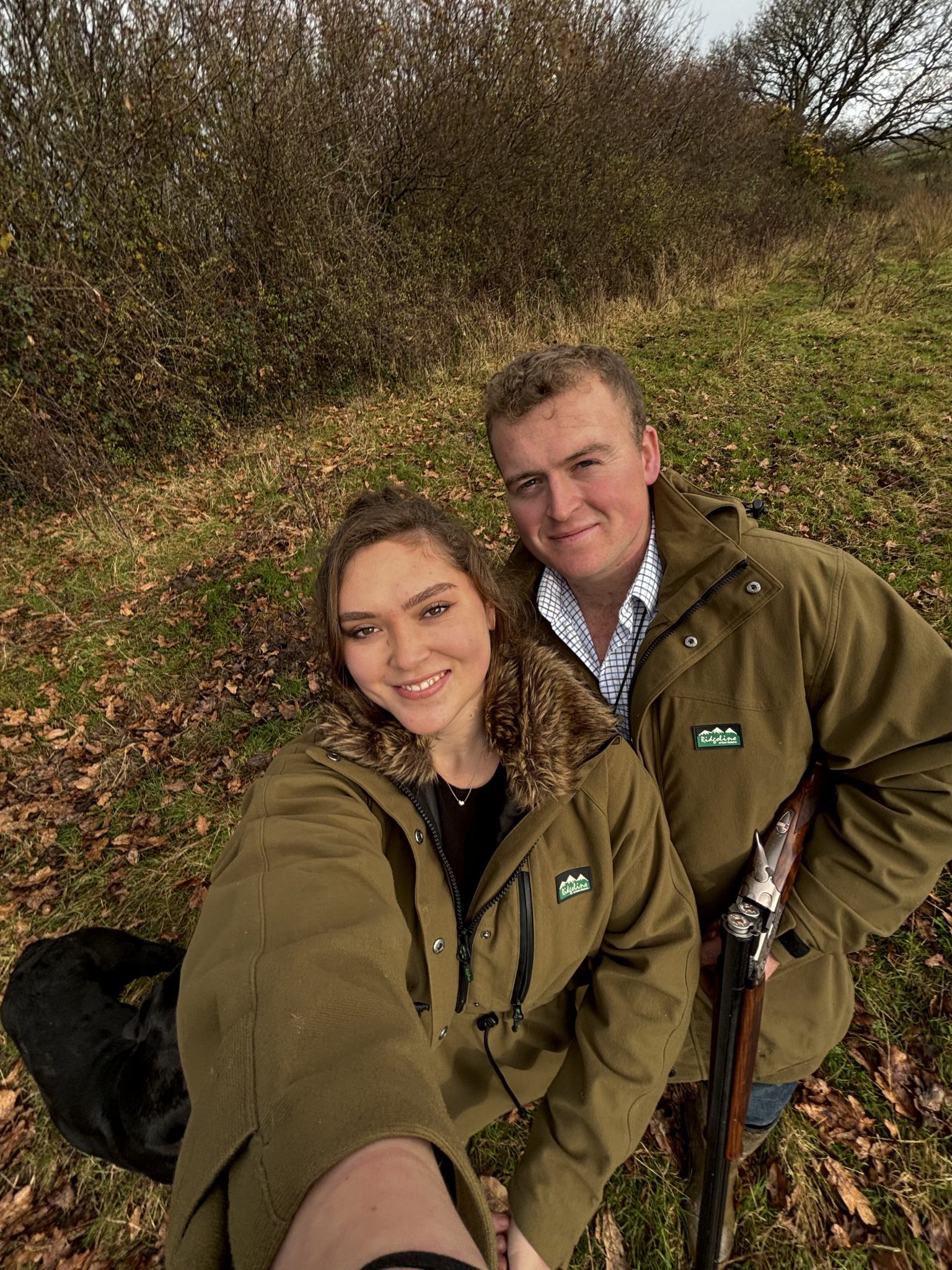
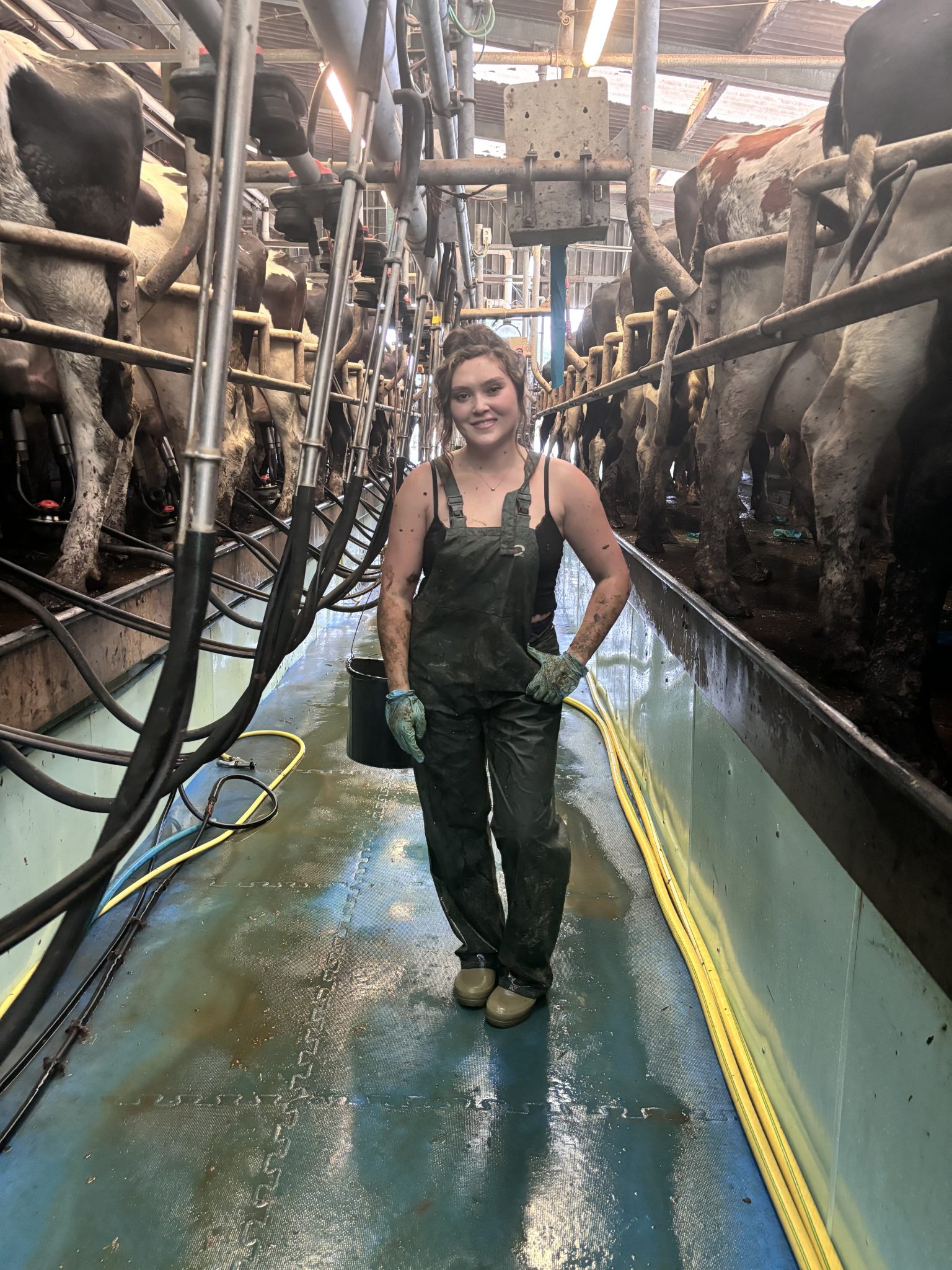
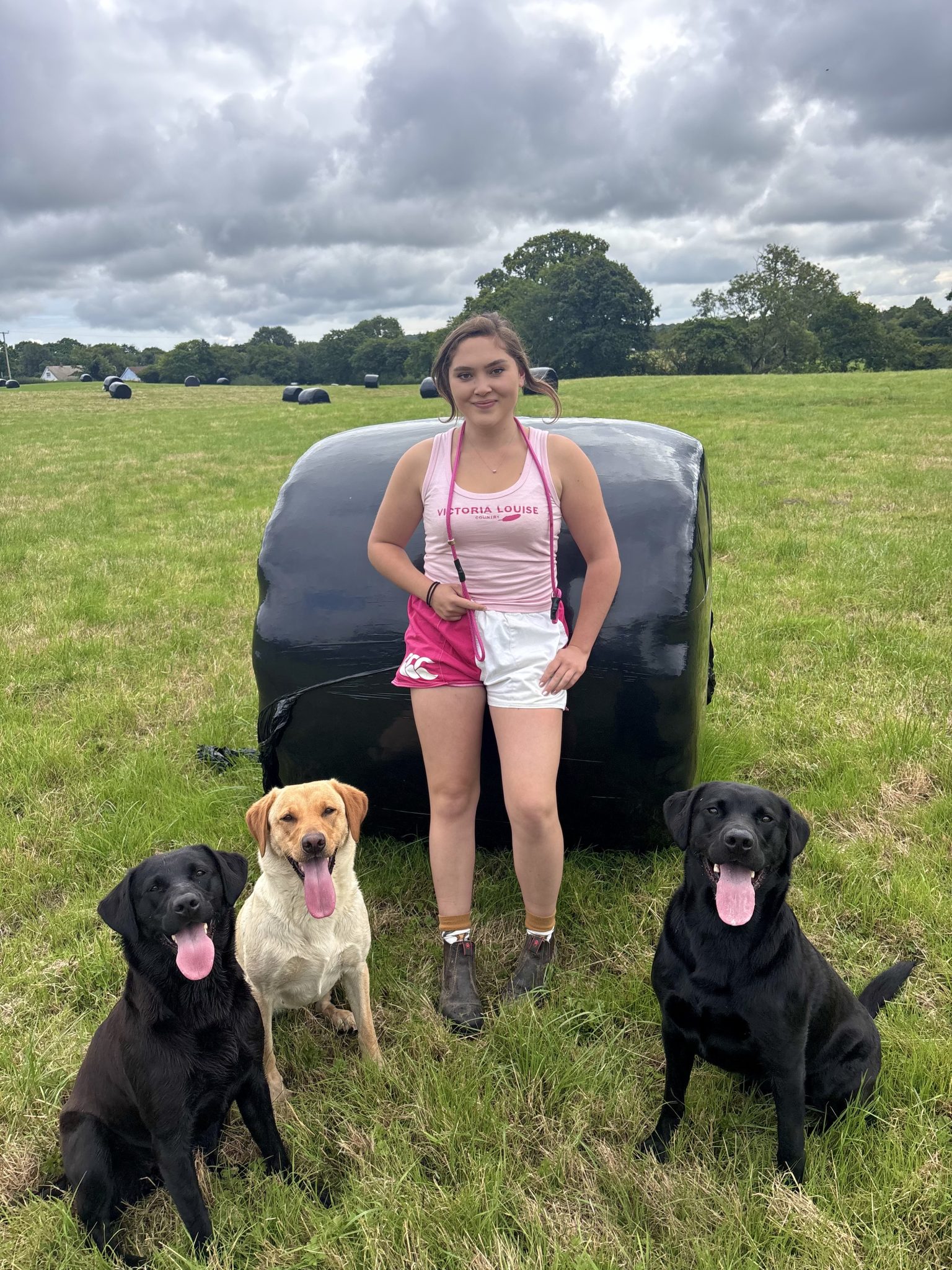
I now live with my partner on a smallholding just outside Cardigan in West Wales. We have cows, sheep, chickens, ducks, two horses, three Labradors — and a pug! I work alongside my partner on the farm and constantly learning new skills and widening my knowledge every day.
How did you first get introduced to farming life?
Although not originally from a farming family, I was brought up in a very agricultural community. My best friend was raised on a beef cattle farm which I spent many days there! I loved going out to see the bulls and cows to give them a scratch. This is actually where I saw my first ever calving! Now, my farming life now came as part of the package with my boyfriend, Connor.
I suppose I was introduced to the gamekeepers life primarily before I started the farming life! I met Connor 4 years ago in 2021 – he got a seasonal job working as a gamekeeper for the Balfour Castle Estate on our small island in Orkney. (Funnily enough he had never heard of Orkney before!) I worked on the island ferry and also as a waitress / gardener for Balfour Castle. The rest is history!
A few years of long distance between us, plus a 6 month agricultural working holiday together in Australia – I made jump to live with Connor in Wales in 2024. Connor is a full time farmer, who works on 2 different dairy farms as his “full time job” but also runs our smallholding with his dad, rearing cattle and sheep. We also rent another farm where we keep more of our livestock. This is where I truly became hands – on in this farming lifestyle!
What part of farming surprised you the most when you first got involved?
I think a lot of things surprised me when I first got involved! One that springs to mind instantly is learning about TB in cattle, and the tests that come with it. I had hardly heard of TB before I moved to Wales, as Orkney has always been a TB free place (there have never been badgers in Orkney, thankfully).
What were some of the first skills you learned on the farm?
Learning how to lamb a ewe! It is something I wanted to learn straight away and it is a great skill to have on the farm! There is a lot of learning that comes with it, but I’ve had some great teachers, grabbed every opportunity to learn and be as hands on as possible about it, and I have had many great experiences of my own already. I would say I have built a lot of confidence from it! I know a lot of people joke about working with sheep – and I totally understand the reasons why as they can be difficult to work with! Personally it’s something I quite enjoy and love learning about. So much so, I started my own flock of Dutch Spotted Sheep in 2024!
Tell us about starting your own flock, why did you choose the breed you did? How did you decide when you were ready to start your own flock?
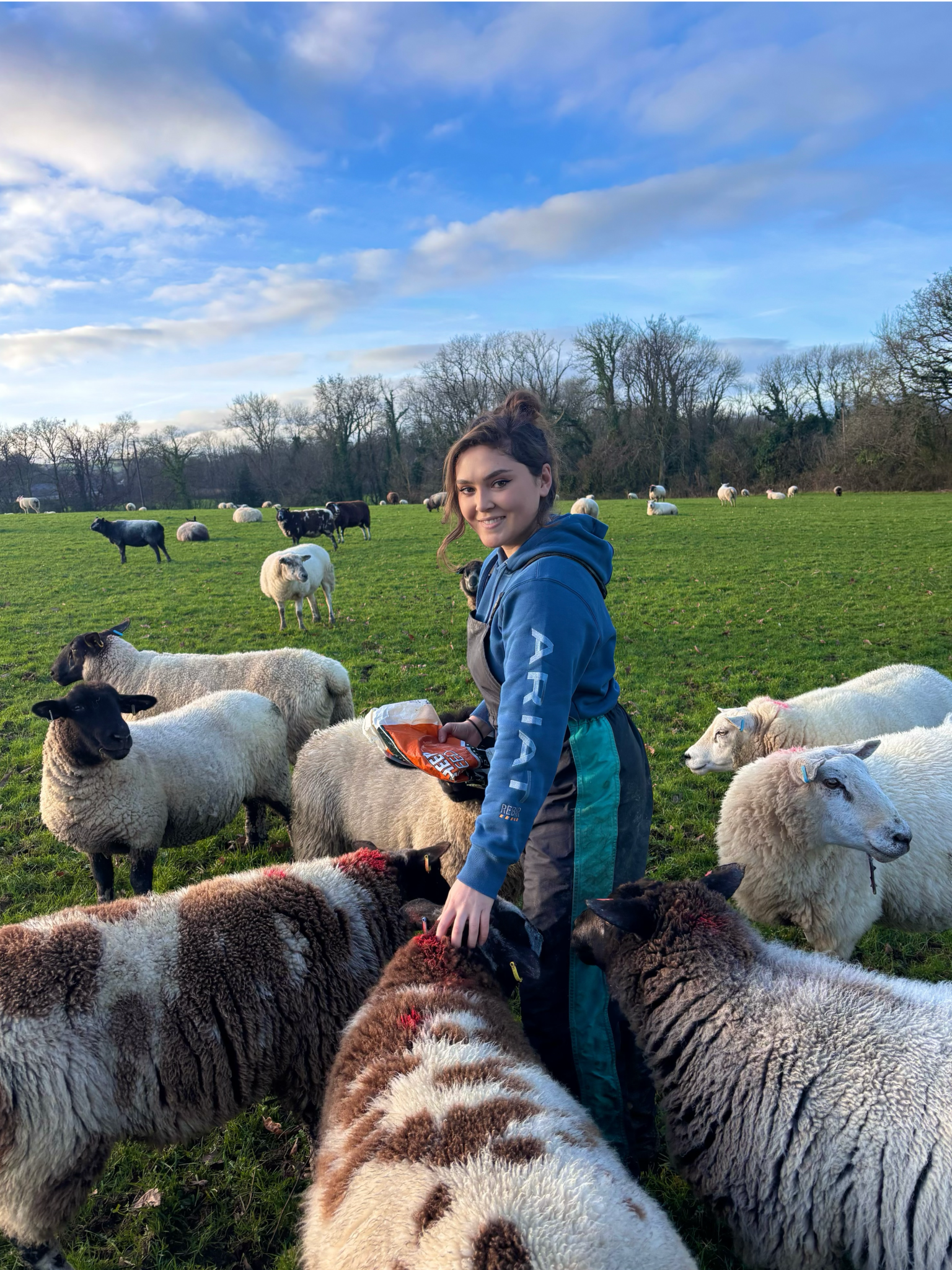
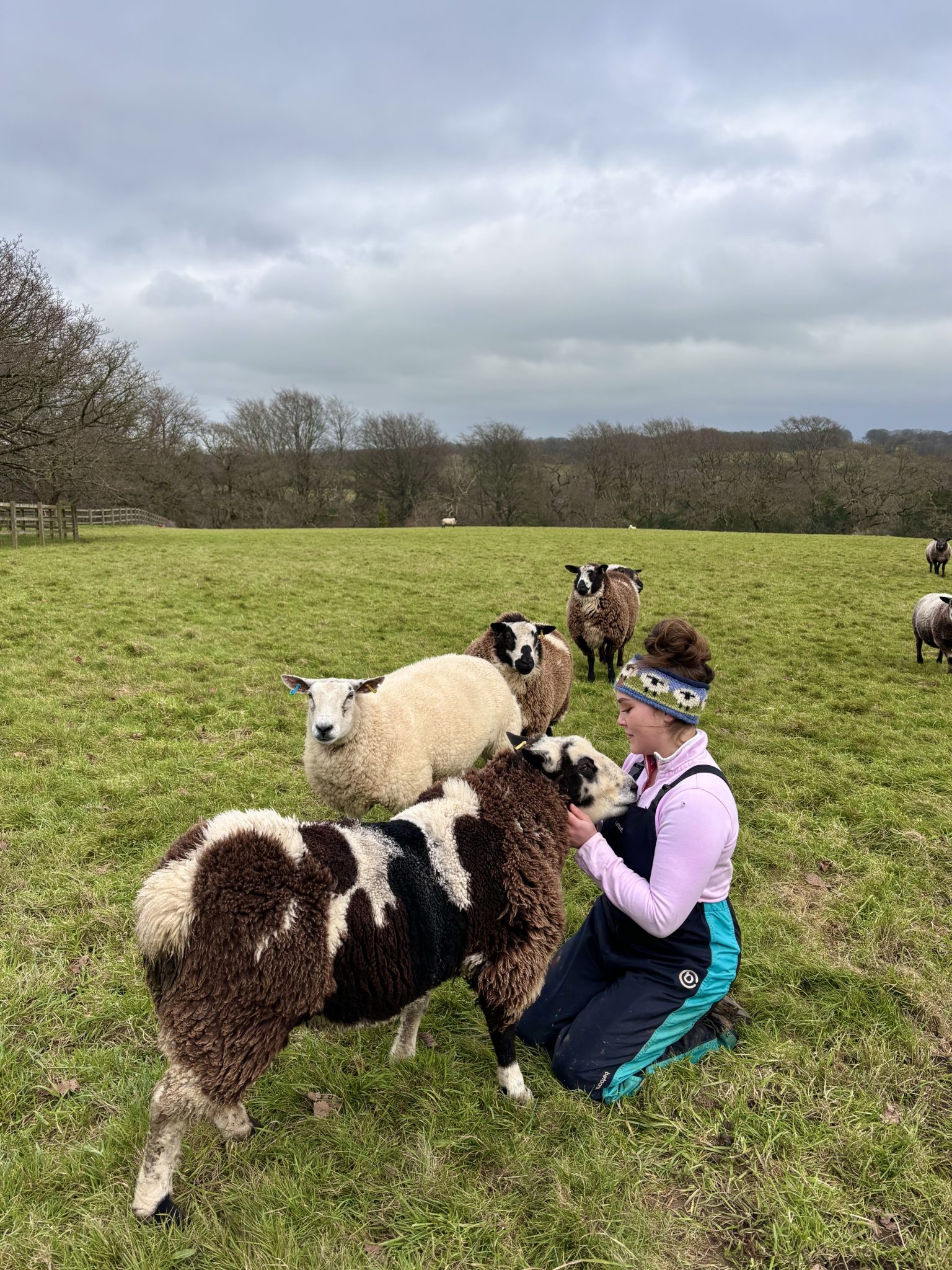
So I actually got gifted a Dutch spot ram , 2 Dutch spotted ewes and a texel ewe from my boyfriend on Christmas Day 2024! I’ve always enjoyed working with the sheep we already have in the main flock. He knew I loved the Dutch spotted breed from me seeing them at shows and out in the fields round here! I have always loved how unique and beautiful their spotty patterns are. They are also incredibly good mothers, docile, hardy and produce some strong lambs! I welcomed my first homebred lambs in spring 2025. My flock has now grown to 14 total, with more spring lamb spotties due very soon!
Briefly describe a typical working day –
It’s very dependent on the season what we get up to.
A typical working day on our farm currently and for the next few months: wake up and it’s straight out to the lambing shed to check the ewes. Put lambs and ewes into pens, move stronger lambs and ewes out to the communal shed, put out silage, feed ewes nuts, fresh bedding, top up water buckets, administer any treatments required. Also feed and give bedding to the calves and horses. Then let out and feed ducks and chickens. Breakfast time for me! We will tend to go and check sheep then with the quad bike. And any lambs strong enough to go out we will vaccinate, number and ring tails, then put them outside into the field. Then off to the other farm that we rent where we keep the rest of our beef cattle. Fresh bedding, fresh silage, feed nuts, scrape the yard and cubicles! Lunchtime. Check the lambing shed…again! Walk the dogs and collect eggs from chickens in the afternoon. Do any other jobs that need catching up on now. If I have time I try to fit in a bit of baking through the week. Then it’s off to feed the ewes, calves and chickens again in the late afternoon! Dinner time. This is where the evening winds down. Shower to wash off the day and into jammies! I get to spend time with my boyfriend, watching a good movie or a series with a hot chocolate and cuddle with our dogs. It is so important to have this quality time together and just relax after a busy day! Will go out in PJs to check the lambing shed before bed, and one of us will get up in the night to check lambing camera and check the shed again.
What’s great about being a farmer?
Tough one! There are so many great things to list. Of course there are always difficult days too but the good ones make everything worthwhile. I think my favourite part is spending most of the day outdoors as I have always been a very outdoorsy girl! I love working with the animals, especially this time of year with the lambs. It’s so rewarding.
Was there anything you found unexpectedly difficult — or surprisingly easy?
Unexpectedly difficult – When they say don’t get too attached to animals, don’t get too attached!
Surprisingly easy – getting into the routine of this farming lifestyle! I suppose I have always been a quite on the go person and I love keeping busy. I feel like I slotted into farm life really well and I’m proud of the progress I’ve made since living on the farm.
What’s one farm job you were terrified of at first but now feel confident doing?
Getting used to giving animals jabs when necessary. And learning the different names of medicine we keep and what they are used to treat! Needles were always a bit of a fear! And I didn’t like the thought of causing pain to the animal if I was to do it wrong! I have really pushed myself to be more confident with this – now it’s something I barely think twice about! Also livestock handling, I never needed to be as scared of cows as I’ve always been told! Cautious, yes. Scared, no.
What are the key qualities needed to do your job?
A good work ethic, enthusiasm to learn, a lot of patience and getting your hands dirty! Maybe a little bit of stubbornness here and there 😂
What do you enjoy the most about living or spending time on the farm?
Giving my spotty sheep lots of snacks and cuddles! They are so sweet, funny and they all have their own little personalities.
Are there any parts of the lifestyle you’re still getting used to?
Absolutely. The learning never stops – especially not for me. I’ve been so lucky to learn so much already from Connor and his dad. There is always plenty of room for growth, improvement and new opportunities.
Have you had any “learning moments” (or funny mishaps) with your sheep so far?
I’ve found out that one of my spotty ewe lambs I purchased in Oct ‘25 is a horror for getting stuck in the brambles. If someone says “Oh Ann, one of your spotty ewes got stuck” – I guarantee you it will be my Pumpkin! And you will hear her blarting before you see her! She is very talkative and quite silly! Luckily we check them everyday and if there are any issues they are quickly resolved.
Do you see yourself expanding into breeding, showing, selling lambs, or wool production?
Maybe in the future, who knows! I really enjoy going to shows and I am always wowed by the people who put all the time and effort into showing! But it’s not really something I see myself getting into at the moment anyway. I would definitely sell some of my lambs once my flock has grown a bit more!
How do you balance your flock responsibilities with the rest of life and farm work?
As I only have a small flock at the moment it doesn’t take up too much extra time as they are currently mixed in with the other sheep on the farm. This means they get checked and fed just the same as the rest when we are on our feeding rounds. Although I will say they do get that bit extra spoilt with snacks, cuddles and scratches!
What advice would you give to someone new to farming or dating a farmer?
Busy seasons can be intense – Lambing, calving, harvest, silage can mean long hours and little sleep. But if you’ve got the drive and determination you can do anything! Show up and pay attention. And remember everyday is a chance to learn something new!
As for dating – support matters just as much as romance during all seasons! Celebrate small wins when you can. You may not get to spend as much time as a “normal couple” would do, but I would say try not to compete with the time and responsibilities of the farm – being jealous of not seeing your farming partner isn’t helpful. Be curious and get involved! And your partner will probably appreciate the extra hand and interest in their work. It’s the small things that mean the most!
Have you always felt supported when learning and on the job?
Absolutely. There are a lot of great people around me and a big farming community where we live. I’ve had many opportunities and experiences already and I am eager to continue challenging myself. I would one day like to be able to pass on knowledge and experience onto the next generation.
How do you feel about the portrayal of farmers and farming in the media?
Unfortunately I strongly feel farmers have not had the best light in the media, which is unfair and I know that they are very misunderstood by the government and public. I am happy however, that farming is becoming a much bigger topic on social media and TV, and that there is more education surrounding farming being showed online – to really show what we are up against. With everything that is going on in the UK (and abroad) I hope people will understand us better and support farmers in the best way they can. Support small businesses, support local farmers and buy direct when you can – it all makes a huge difference.
Can you share a memorable story or experience from your time on the farm?
It’s got to be being woken up on Christmas Day by my boyfriend and being told there was a surprise waiting for me outside! I was taken out in my pyjamas and wellies where was shown my Christmas present – my first flock of Dutch Spotted sheep! I will never forget that day and I will always remember it signifying a special moment in my farming story. Happiest girl ever!
How do you manage stress and maintain mental wellbeing as a farmer, and what coping strategies have you found to be effective?
We find that just by taking time away from the farm one of the best ways to destress and just forget for a little bit, everything that needs to be done in the rest of the week. A day out / date night is very important to us and we try really hard to do this little and often. Often we prepare and get more jobs done the previous day to make life easier for us the day we go out! We like going out to the cinema for movie night, walking our Labrador Archie or going out for some nice food, just me and him.
I’m also happy that Connor is part of a shooting syndicate which he really enjoys when the pheasant season comes around! Archie will go with him as he is a working Labrador. So they have a great boys day out! Sometimes I will go with them too! But I enjoy my own company very much, and I like baking, cooking, spending time gardening in the veggie patch and catching up with family and friends back home in Orkney!
If you’re a farmer and you’d like to contribute in our campaign to raise awareness for the incredible work in British agriculture, please drop us a DM on Instagram – @howdenrural
In an industry built on compassion, professionalism, and trust, funeral directors carry a responsibility unlike any other. Families turn to them at one of the most vulnerable moments of their lives, when they’re often overwhelmed, grieving, and unsure of what they need. In these moments, one skill rises above all others: the ability to listen with empathy.
While logistics, organisation, and attention to detail are essential, it is the human connection – the quiet, patient, understanding presence – that truly shapes a family’s experience. Listening is not simply hearing words; it’s recognising emotions, understanding unspoken needs, and creating space for people to express themselves safely.
Why listening matters so much
1. Grief is complex – and everyone expresses it differently
Some families arrive with clear ideas. Others are unsure, conflicted, or struggling to articulate what they want. Empathetic listening helps funeral directors understand not just the practical requirements, but the emotional landscape behind them.
2. It builds trust at a time when trust is everything
When families feel heard, they feel supported. A funeral director who listens without judgement creates a sense of safety – essential for guiding people through difficult decisions.
3. It helps families feel in control
For the person experiencing it, grief can make the world feel chaotic. Being listened to restores a sense of agency and equilibrium. It reassures families that their wishes matter and that they are shaping a meaningful farewell.
4. It uncovers the details that make a service personal
Often, the most memorable touches come from small comments or a memory shared – a favourite song, hobby, or a phrase the person always used. These details surface naturally when families feel comfortable enough to talk openly.
The difference between hearing and truly listening
Empathetic listening is an active skill. It involves:
Being fully present – not rushing, not multi–tasking
Observing body language and tone
Asking gentle, open questions
Allowing silence without discomfort
Reflecting back what you’ve heard
Recognising when someone needs reassurance, not information
For many funeral directors, this comes naturally. It’s part of who they are. But it’s also a skill that can be strengthened and refined over time.
How empathy shapes the funeral experience
1. It leads to more meaningful services
When funeral directors understand the person who has died – their character, values, and story – they can help families create a service that feels authentic and comforting.
2. It reduces stress for grieving families
Clear, compassionate communication helps families feel supported and less overwhelmed by decisions.
3. It strengthens long-term relationships
Families remember how they were treated. A funeral director who listens with empathy often becomes the trusted choice for future generations.
4. It supports staff wellbeing
Empathy isn’t just outward-facing. When listening is embedded in a funeral home’s culture, it fosters stronger teamwork, better communication, and a more supportive environment for staff.
Listening as a professional skill – not just a personal trait
While empathy is often seen as an innate quality, it can also be nurtured through:
Training in communication and bereavement support
Reflective practice and team debriefs
Creating time and space in appointments
Encouraging staff to share experiences and learn from one another
In a sector where emotional labour is significant, investing in listening skills is an investment in both client care and staff resilience.
A changing world makes listening more important than ever
As funeral choices diversify – from direct cremation to personalised celebrations of life – families need guidance that’s sensitive, flexible, and tailored to their values. Listening helps funeral directors understand what truly matters to each family, ensuring the service reflects their wishes rather than a one‑size‑fits‑all approach.
Empathy is the heart of the profession
Funeral directing is often described as a vocation, not just a job. At its core is a simple truth: people remember how you made them feel. Empathetic listening is the foundation of that experience – the quiet skill that transforms a difficult moment into one of dignity, understanding, and care.
Howden’s support for funeral directors
At Howden, we understand the emotional and professional demands placed on funeral directors. Our specialist Funeral Directors team is here to support you with insurance solutions that reflect the realities of your work – so you can focus on what you do best: listening, guiding, and caring for the families who rely on you.
Chauffeurs deliver more than luxury transport services – they provide reliability, discretion, and a stress-free space for every client. But behind every five‑star journey lies a set of risks that can impact your business if not properly managed. Having the right insurance in place isn’t just a legal requirement; it’s the foundation of your reputation and livelihood. Here’s what every chauffeur should consider.
Motor insurance
Your vehicle is your business – protect it properly.
Chauffeur vehicles require specialist motor insurance, not standard private car cover
Policies should account for professional use, passenger liability, and higher mileage
Comprehensive cover ensures you’re protected against accidents, theft, and damage
Public liability
Clients trust you with their safety – liability cover builds confidence.
Protects against claims if a passenger or member of the public is injured
Essential for maintaining professionalism and safeguarding your reputation
Demonstrates to corporate clients that you take risk management seriously
Employer’s liability
If you employ drivers or staff, this cover is a legal requirement.
Protects against claims from employees injured while working
Ensures compliance with UK law and shields your business from costly disputes
Additional covers
Tailored chauffeur business protection goes beyond the basics.
Breakdown assistance: Keeps you on the road and clients on schedule
Management liability: Protects directors and decision‑makers against claims of mismanagement
Cyber cover: Safeguards against data breaches – especially important if you store client details digitally
Protecting your business, supporting your clients
Insurance isn’t just paperwork – it’s peace of mind. With tailored chauffeur cover, you can focus on delivering exceptional service while knowing your business is protected against the unexpected.
At Howden, we make sure your chauffeur business is safeguarded with specialist insurance designed for your world. Contact us today for a free comparison and start 2026 with confidence.
Direct cremation has moved from a niche option to one of the fastest‑growing choices in the UK funeral market. Once associated mainly with low‑cost providers, it’s now a mainstream preference for families seeking simplicity, affordability, and greater personal control over how they say goodbye.
For funeral directors, this shift brings both challenges and opportunities – and understanding the motivations behind it is key to adapting successfully.
Why direct cremation is growing
1. Changing attitudes toward funerals
Families are increasingly choosing to separate the cremation from the ceremony. Many prefer a private, personal memorial later, rather than a traditional service at the crematorium.
2. Cost-conscious decision-making
With rising living costs, some families are prioritising affordability. Direct cremation offers a dignified option without the additional expenses of a full service.
3. Influence of high-profile cases
Even though it’s now more than ten years since his death, public figures such as David Bowie choosing direct cremation have helped normalise the idea and reduce stigma.
4. Greater consumer awareness
Marketing by specialist providers has increased visibility, and families are now more aware of the full range of funeral options available.
What this means for funeral directors
1. A shift in revenue models
Traditional funerals often include multiple income streams – including vehicles, staff, venues, flowers, and printed materials. Direct cremation reduces these elements, meaning funeral directors may need to rethink pricing structures or diversify services.
2. Opportunity to offer flexible, modern packages
Direct cremation doesn’t have to mean “no service”. Many funeral directors are now offering:
unattended cremation with a later celebration of life
simple cremation with optional add‑ons
memorial planning services
livestreamed or digital tributes
This allows families to personalise the experience while still choosing a simpler route.
3. Meeting families where they are
Today’s consumers expect transparency, online information, and clear pricing. Funeral directors who communicate openly and offer easy-to-understand packages are better positioned to compete with national direct cremation brands.
4. Strengthening aftercare and ongoing relationships
Direct cremation often means fewer touchpoints at the time of need – but it opens the door to new aftercare opportunities:
memorial events
ashes interment services
grief support resources
pre-paid plan discussions
These can help maintain long-term client relationships.
5. Operational efficiencies
Direct cremation can streamline logistics, allowing funeral directors to:
optimise staff time
reduce vehicle usage
simplify scheduling
improve overall workflow
For some businesses, this can help balance the reduced revenue per funeral.
Funeral directors can adapt by utilising some or all of the following advice:
1. Offer clear, competitive direct cremation packages
Families want simplicity. Transparent pricing and easy-to-understand options build trust.
2. Highlight the value of your local, personal service
National providers may be cheaper, but they can’t match the reassurance of a local, compassionate team.
3. Educate families on their choices
Many people don’t realise they can still hold a meaningful ceremony after a direct cremation. Position yourself as a guide, not just a provider.
4. Invest in digital presence
A strong website, online reviews, and clear information help families find you at the moment they’re researching options.
5. Explore new revenue streams
Celebration-of-life planning, memorial events, keepsakes, and pre-paid plans can all complement direct cremation offerings.
A changing landscape – and a chance to evolve
The rise of direct cremation shouldn’t be seen as a threat to funeral directors – it’s a sign of changing consumer expectations. Families want choice, flexibility, and transparency. Funeral directors who adjust to these needs can strengthen their position, diversify their services, and continue to provide meaningful support at life’s most difficult moments.
Whatever direction your business takes, you don’t have to navigate it alone. The Howden Funeral Directors team is here to offer guidance, expertise, and tailored insurance solutions that support you and the families you serve.
In a competitive chauffeur market, great driving is no longer enough. Clients aren’t just booking a journey – they’re choosing an experience, a level of professionalism, and a brand they can trust. The most successful chauffeur businesses understand this shift and invest as much in their identity as they do in their vehicles.
Whether you’re a sole operator or managing a growing fleet, building a strong brand can elevate your business from “just another driver” to a premium, memorable service clients return to again and again.
Why branding matters in the chauffeur industry
1. Clients buy trust, not just transport
When someone books a chauffeur, they’re placing their safety, schedule, and comfort in your hands. A strong brand communicates reliability, professionalism, and consistency before they even step into the vehicle.
2. It helps you stand out in a crowded market
With ride‑hailing apps and low‑cost competitors everywhere, branding is your chance to show what makes you different – whether that’s luxury, discretion, corporate expertise, or personal service.
3. It builds loyalty and repeat business
A recognisable, polished brand creates familiarity. Familiarity builds trust. And trust leads to long‑term clients, referrals, and corporate contracts.
The foundations of a strong chauffeur brand
1. Define your identity
Ask yourself:
What do you want to be known for?
Who is your ideal client – corporate travellers, VIPs, weddings, or airport transfers?
What values and principles guide your service?
Your brand should reflect the experience you want clients to associate with you – calm, luxury, efficiency, discretion… or something else entirely.
2. Create a consistent visual presence
This doesn’t mean flashy logos or expensive design work. It means consistency, including:
A clean, modern logo
Professional website and email signature
Matching uniforms or dress code
Branded documentation and invoices
A cohesive look and tone of voice across social media
Remember, consistency signals professionalism.
3. Deliver a signature service
Your brand is ultimately defined by the experience you deliver. Consider:
How you greet clients
The tone of your communication
Vehicle presentation
Amenities offered (water, chargers, newspapers)
Your approach to punctuality and discretion
These small touches become your trademark.
Turning your service into a premium experience
1. Focus on the details clients remember
A spotless vehicle, a calm atmosphere, and a driver who anticipates needs – these are the moments that turn a journey into a premium experience.
2. Build a reputation for reliability
In the chauffeur world, reliability is branding. That means you consistently:
Confirm bookings promptly
Track flights or trains
Communicate delays early
Keep vehicles impeccably maintained
Clients will remember how you made their life easier.
3. Use technology to enhance your brand
Booking systems, automated confirmations, and digital receipts all contribute to a polished, modern image.
Marketing your chauffeur brand
1. Showcase your professionalism online
High‑quality photos of your vehicles, testimonials, and clear service descriptions help clients understand your value instantly.
2. Leverage reviews and referrals
Word‑of‑mouth is powerful in this industry. Encourage happy clients to leave online reviews and share their experience.
3. Build relationships, not just bookings
Corporate clients, hotels, event planners, and wedding venues often need reliable partners. A strong brand makes you the obvious choice.
Protecting the brand you’ve built
A strong brand deserves strong protection. As your business grows, so do your responsibilities – from vehicle cover to liability, cyber risks, and employee protection. Ensuring you have the right insurance in place helps safeguard your reputation and keeps your business running smoothly.
Howden’s support for chauffeur businesses
At Howden, we understand that a chauffeur business is more than a vehicle and a driver – it’s a brand built on trust, service, and professionalism. Our specialist chauffeur team supports businesses of all sizes with tailored cover designed for the unique risks of the industry – helping you protect the brand you’ve worked hard to build.
As part of our campaign to support British farming, we created this blog to provide farmers with a platform to share their stories and experiences, offering insights beyond what you see on their Instagram accounts. Read below to take a walk in Charlotte’s (@vinefarmdairy) wellies, who takes us through the journey on how being a farmer’s partner changed everything…
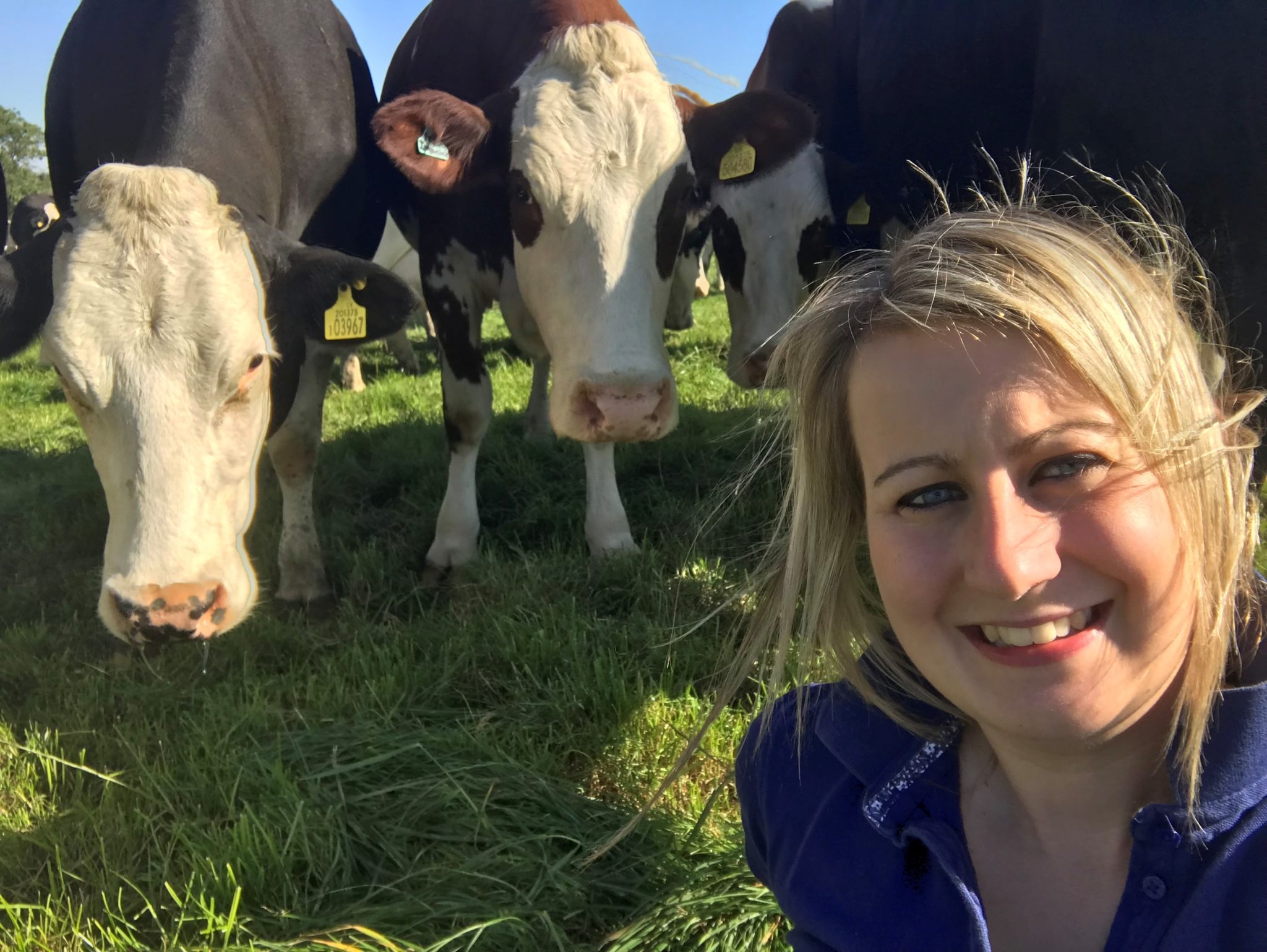
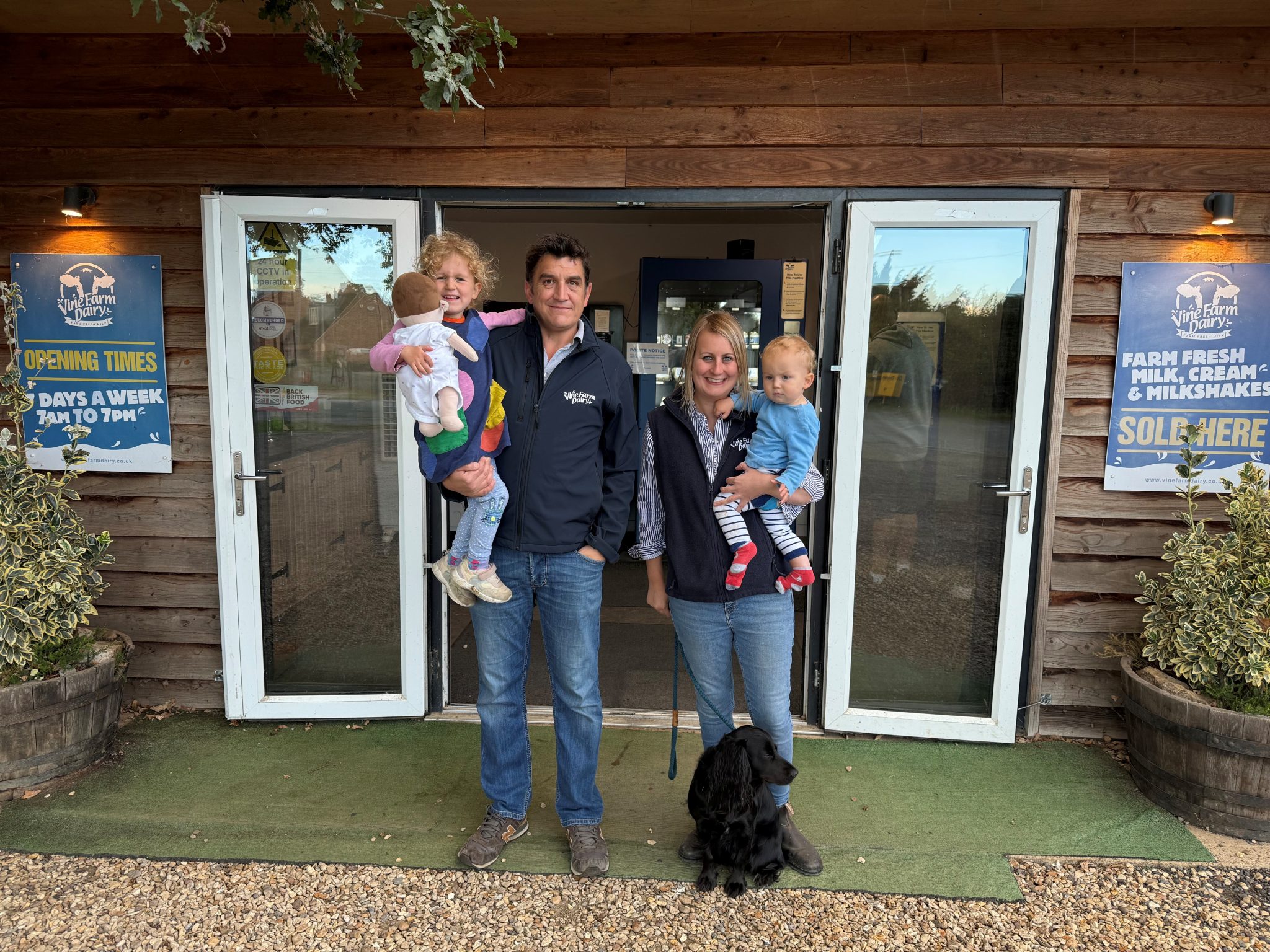
Hi, I’m Charlotte and I live with my partner James and our two children on James’ family dairy farm in Great Dalby, near Melton Mowbray. James and his brother Richard are the fourth generation of their family to farm at Vine Farm, supplying the local cheese dairy, Long Clawson Dairy with their milk. In 2018, we set up a retail side of the business ‘Vine Farm Dairy’ supplying consumers with our milk directly through a self-service vending machine on our farm. Over the past 8 years we’ve expanded and now supply around 25 local businesses including Michelin star restaurants, award winning gelatarias, cafes and sports clubs including Leicester City and Leicester Tigers, alongside running 3 milk vending machines.
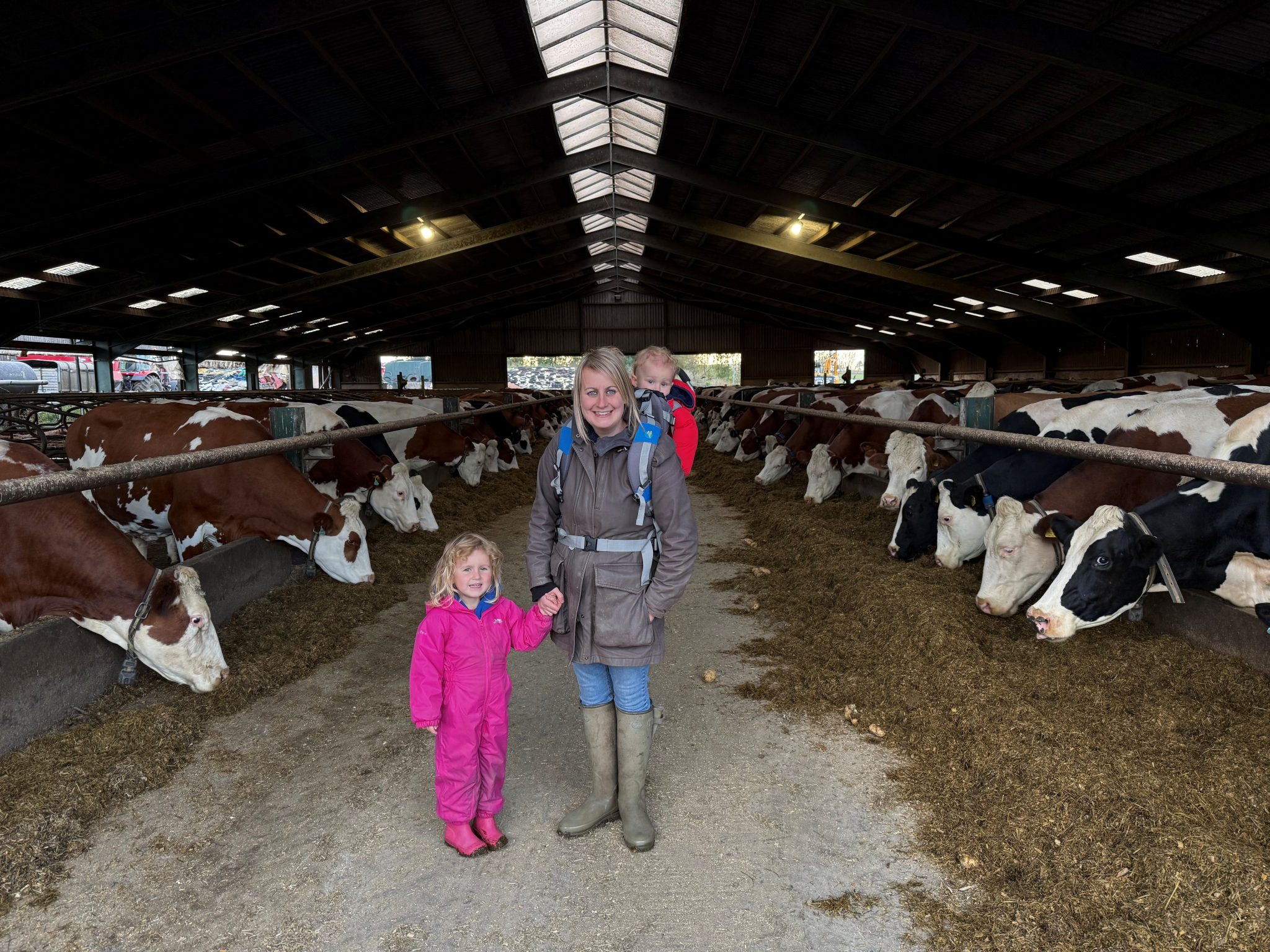
The farm was originally a mixed farm with cows, pigs, sheep, poultry and arable enterprises, in the 1970’s James’ parents streamlined the business and focused on the dairy side and expanded the herd. When James returned home from Uni, James and Richard modernised the farm further by installing a rotary milking parlour, large cubicle housing and a purpose-built calf shed, increasing the herd to its current size of 400 cows.
James and I met in the early 2010’s, I grew up 5 miles down the road from the farm in a village near Oakham. Although I didn’t grow up on a farm, my grandparents were from farming families, and my dad’s family had a milk round. As a youngster I would’ve probably been quite surprised if I’d have been told that I’d end up living on a farm and delivering milk for a living, but life has a funny way of coming full circle. At the time James and I met, I was just about to move to London to pursue a career in TV production, having just been offered a job at Sky TV. I decided to carry on with this, and then lived in London for the next 5 years, coming back to the farm at weekends and holidays. I look back at this time so fondly. It was a mad time, I used to help James on the farm at weekends, often fetching cows in during the summer, a couple of hours later I’d be back on the tube to my flat in Brixton.
It was nice living in both worlds for a while, but I started yearning for the countryside more and in 2016 moved back to the farm and went freelance, meaning I could still work in London but the farm was my base. It was then that we started having more ideas about a possible diversification and in 2018 we set up Vine Farm Dairy. At this time there wasn’t many milk vending machines around and people were taking sustainability into account more. Our glass bottles were really appealing, and we were transparent with our offer. Our customers could see the cows grazing, they knew the farm was only metres from where they could buy the milk and they knew it was fresh. Our business grew and grew and we started offering milkshakes, cream and coffee alongside other local products.
Covid was a really pivotal time for our business. We were selling nearly 400 litres a day through our on-site vending machine and the queues were enormous! Although a lot of our hospitality customers reduced their orders, business picked up elsewhere and we adapted our business to cope with demand. My other TV production work had tailed off by this point as Covid had put a stop to that, and I was full time with Vine Farm Dairy. We worked long days, ensuring the machines were constantly filled up, milk was freshly pasteurised, I did all the milk deliveries to our customers whilst also juggling all the office work/marketing/invoicing/liaising with customers/stock ordering. James and I didn’t see each other much during this time, he was pasteurising all night, every night, alongside running the farm, and I’d get up early and crack on with the day to day running of the retail business. As the old saying goes, ‘make hay whilst the sun shines’.
In 2021 our first child was born, and things shifted again. My ‘hands on’ time on the farm decreased, and my time in the office increased. Although our customers will vouch that I’m often seen in the Milk Shed or on the delivery run with a child in tow! It was around this time that we decided to employ a couple of people to help us out with the pasteurising/deliveries, as trying to juggle all our responsibilities plus kids was proving unsustainable. In 2024 our second child was born, and life became even more chaotic as we were also in the middle of building a new house too. It’s fair to say we leaned on our staff during this period in order for our business to survive (and us to stay sane!) It’s certainly been a big juggle since the kids came along, and no two days are the same.
My days on the farm have certainly changed, and there is always a pang of guilt. I know a lot of other farming mums feel the same. I’ve always struggled when someone asks me what my job is. I had a long discussion about this with a farmers wife recently. I find it hard to describe myself as a ‘farmer’, when the reality is that I’m not the one milking or feeding the calves or driving a tractor. I always feel like I have imposter syndrome if people describe me as a farmer. These days my time is mainly spent in the office, doing lots of admin for the farm and liaising with all our customers for Vine Farm Dairy. That said, I’m absolutely passionate about the farm and love getting involved with the business side of it, or if we’re short staffed and I’m needed on the farm, but the reality these days is that logistically it’s not always possible to be in the thick of it on the farm. Therefore, we both agreed that the phrase ‘office farmer’ was the most fitting at this point, it’s not caught on yet, but I’m sure there are a lot of people who understand the identity crisis!
I feel privileged to live and work on a farm, bring our children up in this environment, and I’m incredibly proud of what we have achieved with our business. I think British agriculture is highly undervalued, but it’s so important that as an industry we continue to educate the public and keep our voices heard. I’ve loved speaking to our customers since selling milk directly to the public and we’ve hosted lots of groups/schools at the farm to highlight the work we do. It’s fantastic that our own children are really starting to show an interest in the farm, and it’s great teaching them about the stock and the land and how it all works, as generations before us have handed their knowledge down to us.
Farming comes with enormous challenges, stress and worry, particularly with such a volatile milk price. It can be hard to watch the stress and worry build as there is no way to switch off when your life and work is much of the same thing. As James and his brother Richard farm together, it does make it easier for us to be able to get away for a holiday now and then, as they can cover each other. I know for a lot of farming families this simply isn’t possible, but for us, spending time away from the farm (even for a short period of time) can be a breath of fresh air, and often energises us once we’re back. Our milk shed is open 7 days a week for pretty much the whole year (except Christmas Day and Boxing day), and we are on call for all of this time which can take its toll (and it has done even more so since having children), so taking breaks when the opportunity arises has been invaluable to us. When time allows, walking my dog, cooking and listening to music are my ways to unwind, and I do enjoy popping back to London now and then to see my friends. That said, I’m at my happiest on the farm, surrounded by my family and the cows (and our dog!), incredibly proud of how hard we’ve worked and the business we’ve created. James and I have so many ideas and things we want to do that I’m looking forward to the future and excited about what comes next!
If you’re a farmer and you’d like to contribute in our campaign to raise awareness for the incredible work in British agriculture, please drop us a DM on Instagram – @howdenrural
When it comes to protecting your horse, insurance can feel like a maze of terminology. One phrase that often causes confusion is Permanent Loss of Use (or commonly known as LOU). Understanding what it really means – and how it differs from other parts of your policy – can help you make confident decisions during what is often an emotionally difficult time.
What is Permanent Loss of Use?
Permanent Loss of Use refers to a situation where a horse suffers an illness or injury during the policy period that leaves it totally and permanently unable to perform any of the activities it is insured for.
A claim can only be considered once a vet confirms that the horse will never again be capable of carrying out its insured purpose. This confirmation usually comes after treatment, rehabilitation, and a period of reassessment to ensure every reasonable chance of recovery has been explored.
The two types of Permanent Loss of Use cover
There are two main types of Permanent Loss of Use cover:
Accident Only LOU Covers only external accidental injuries that result in permanent disability.
Accident + Illness LOU Provides broader protection, covering permanent loss of use caused by illness as well as injury.
Because the scope of cover varies, always check which type you are being quoted for.
Loss of Use vs Loss of Horse (Mortality)
A common misunderstanding is mixing up Loss of Use with Loss of Horse, which is typically found under the Mortality or Death and Theft section of the policy:
Loss of Horse applies when a horse dies, is humanely destroyed for welfare reasons (meeting BEVA Guidelines) or is stolen.
Loss of Use applies when the horse is alive but can no longer perform its insured activities.
These sections serve very different purposes, so it’s worth keeping them clear in your mind.
Additional requirements to be aware of
Different insurers may have specific conditions attached to LOU claims. For example:
Your vet must confirm that the horse will never return to its insured activities.
Some insurers require the horse to be freeze branded with an “L” inside a circle once a claim is paid. This acts as a visible identifier that the horse has been the subject of a Permanent Loss of Use claim.
Always check the policy wording for these requirements, as they vary between insurers.
Check the limits before you buy
Insurers offer different LOU payout limits—some pay a percentage of the horse’s insured value, others offer fixed sums, and the conditions for payout can differ widely. When comparing quotes, look beyond the price and consider:
The type of LOU offered
The payout percentage
Any exclusions
Requirements for branding or vet reports
The emotional and practical decisions that follow
One of the toughest parts of dealing with a LOU situation is deciding what happens next for the horse. If the claim is approved, owners may face choices such as:
Retiring the horse, if its welfare can be maintained.
Electing for economic euthanasia, if retirement would lead to long-term suffering or compromised welfare.
Your vet can help guide this decision by assessing whether your horse’s wellbeing would be negatively affected by a retired lifestyle.
Permanent Loss of Use cover can feel complex, but understanding the details makes it easier to choose the right protection for your horse. If you’re unsure which type of cover suits your needs, speak to an equine insurance specialist who can guide you through the options.
Ready to protect your horse with confidence?
Get in touch with our team today for expert advice and a tailored equine insurance quote by calling 01743 455911 or getting a quote here. We’ll help you find the right cover for your horse’s lifestyle and your peace of mind.