
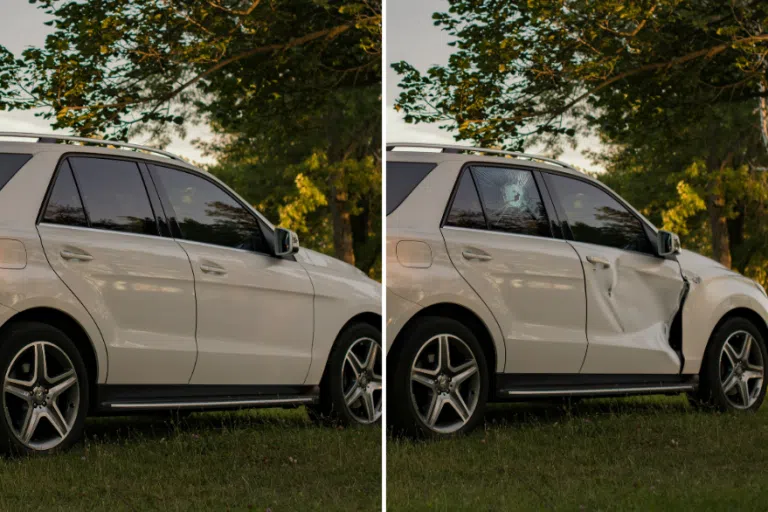
Artificial intelligence (AI) is changing the world in incredible ways. But while in some areas it’s innovating, it’s also giving fraudsters new tricks up their sleeves. And if you drive, you could be in their sights.
Now, insurance fraud isn’t new. “Crash for cash” scams – where criminals deliberately cause accidents to claim compensation – have been around for years. But now, AI tools are making it easier for fraudsters to fake evidence and inflate claims.
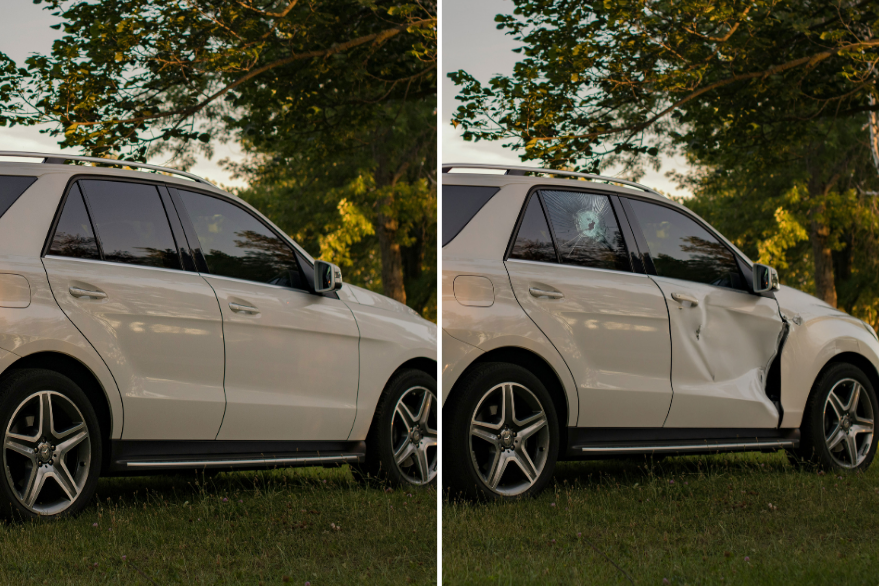
Think doctored photos showing damage that never happened. Or videos that make a minor bump look like a major smash. According to industry reports, UK insurers have seen a sharp rise in suspicious claims since AI image generators hit the mainstream. One global insurer even reported a 300% increase in cases involving manipulated images and documents.
The rise of AI-powered scams – why it matters
Fraudulent claims aren’t a victimless crime. If someone makes a false claim against you, it could mean higher premiums, legal headaches, and a fight to clear your name. Imagine being blamed for damage you didn’t cause – and seeing “proof” that looks convincing because it was created by AI.
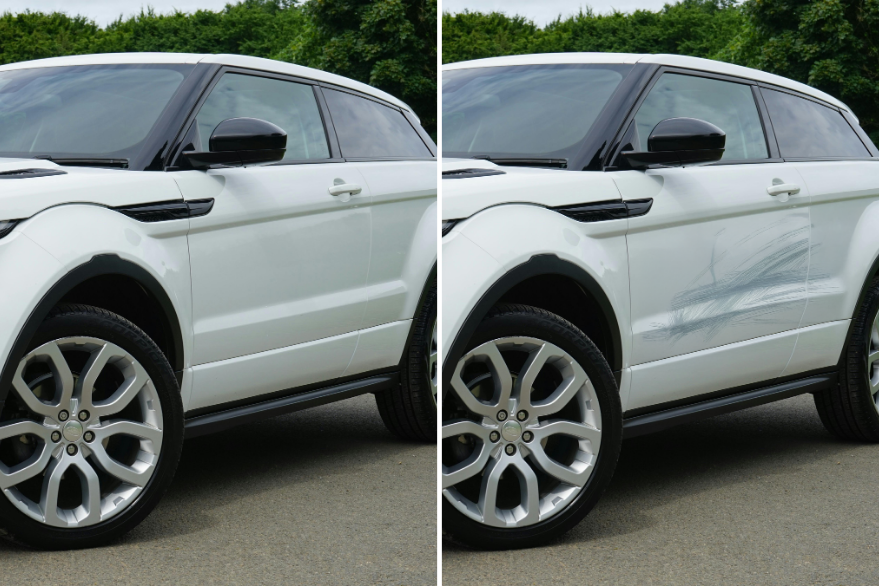
We’ve warned before about crash-for-cash scams. But the risk now is that fraudsters can use AI to make their stories look more believable.
So, how do you protect yourself? Here are some practical steps:
- Invest in a dash cam. It’s one of the best ways to prove what really happened in an accident.
- Keep records. If you’re involved in a collision, note the time, location, and details of the other vehicle. Take your own photos straight away – and never edit them.
- Stay alert for staged accidents. Sudden braking, erratic driving, or being waved into traffic only to be hit – these are classic crash-for-cash tactics.
If you think someone’s tried to make a false claim against you, don’t wait – call your insurer straight away. They’ll share the details with you, like when and where the incident supposedly happened, so you can start building your side of the story. And here’s where a dash cam earns its keep: clear footage can be the difference between stress and peace of mind.
Taking photos of a collision
When you’re making a claim, clear, honest photos are your best defence. Snap the damage as soon as you can, from different angles, and include the number plate if possible. Get close ups and wide shots, and keep your hands steady to avoid blur.
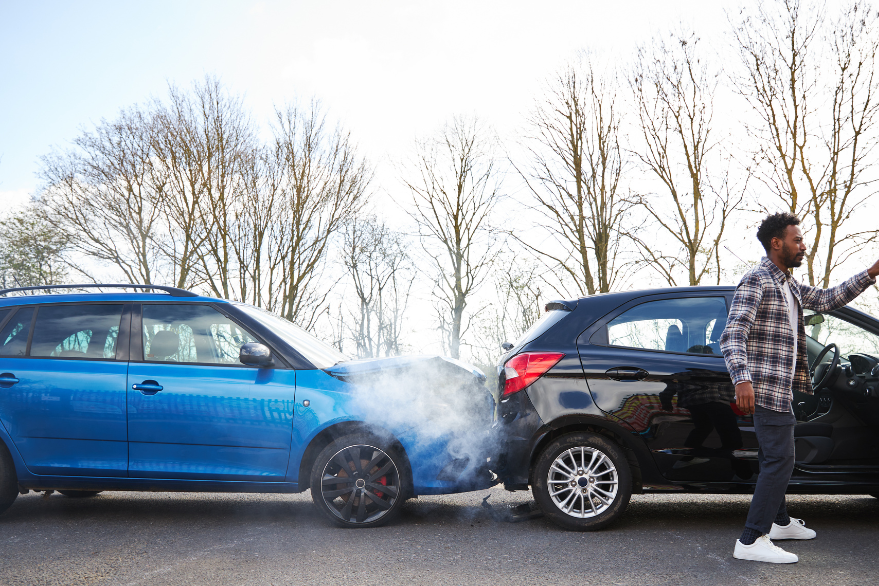
But here’s the golden rule: never edit your images. Not even a quick filter or a bit of sharpening. Even innocent tweaks can look suspicious, and if you accidentally use an AI-powered tool, you could end up flagged as a fraudster.
Under the Fraud Act 2006, making a fraudulent claim can land you with a fine of up to £5,000, or even a prison sentence of up to 10 years if it’s serious or repeated. Your name could end up on the Insurance Fraud Register, which means higher premiums or being refused cover altogether. In short: a quick edit could cost you far more than you think!
What insurers are doing to tackle AI fraud
Insurers and the UK government are cracking down. The Joint Fraud Taskforce is targeting offenders, and technology works both ways; insurers are using AI to detect fake evidence too.
It looks like AI isn’t going away anytime soon. And while it’s exciting, it’s also a reminder to stay vigilant. A few simple steps, like installing a dash cam and reporting concerns quickly, can save you a lot of hassle later.
Want peace of mind for the year ahead? Howden is here to help you stay protected – find your local branch team today.
You could also read:
- The hidden costs of ski holidays
- The new EU rules: what you can (and can’t) bring home!
- Festive parking fails: van drivers watch out!
- Could your Christmas lights earn you a fine?
- Smart heat your home this winter
This is a marketing blog by Howden.