If you drive a van – or run a whole fleet – you’ll know the annual MOT can feel like a nerve-wracking test. And for good reason: more than one in four vans (25.9%) fail their first MOT, according to the latest DVSA data. That’s more than double the failure rate for cars.
With over 5.1 million vans now on UK roads, this isn’t just a headache for drivers and businesses – it’s a real risk to traffic flow and national infrastructure. So, what’s going wrong? And more importantly, how can you avoid being part of that statistic?
The vans most likely to fail
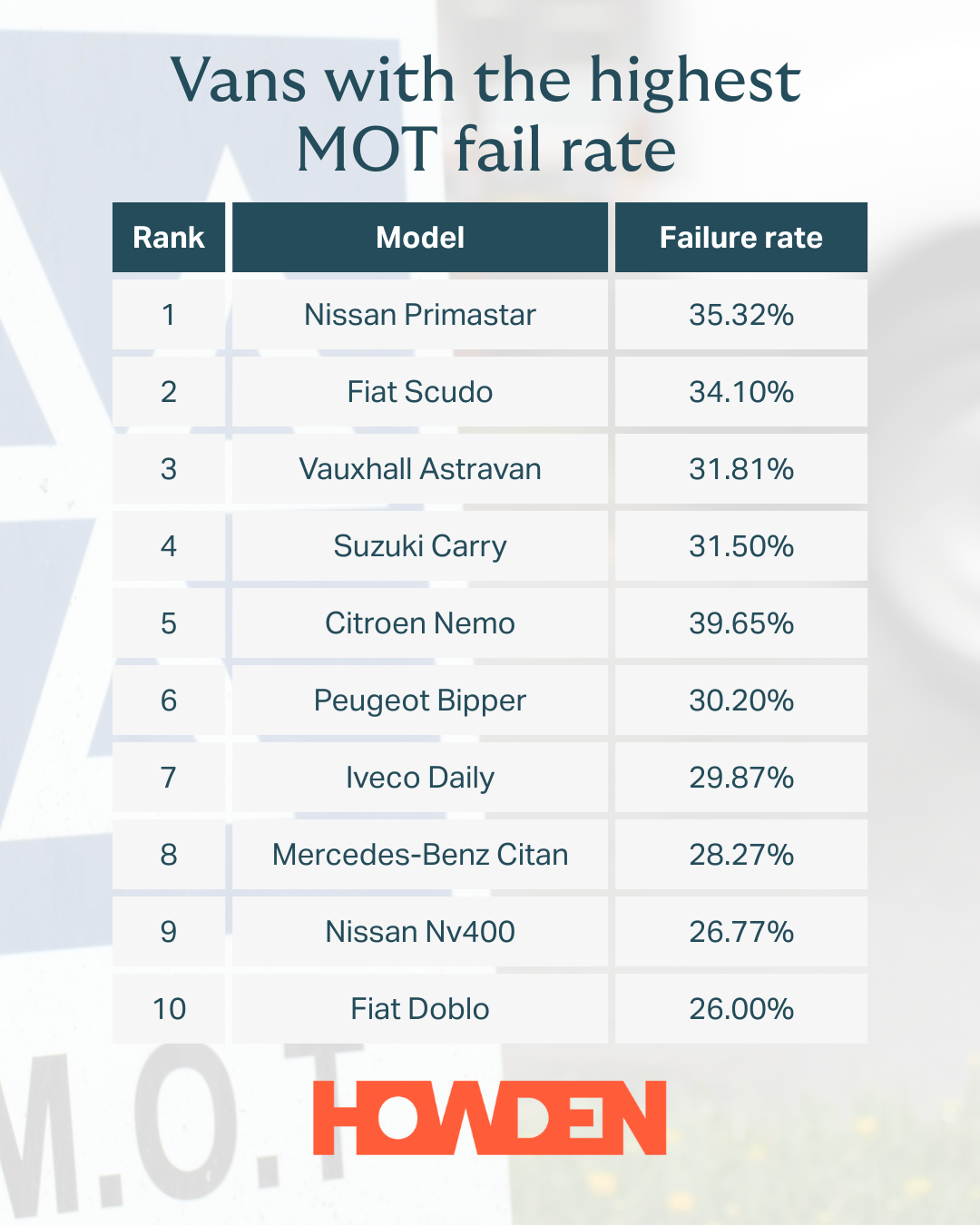
Some models struggle more than others. Based on MOT data since 2005:
Most likely to fail: Nissan Primastar (35% failure rate)
Close behind: Fiat Scudo (34%) and Vauxhall Astravan
Other repeat offenders: Nissan NV400 and Fiat Doblo
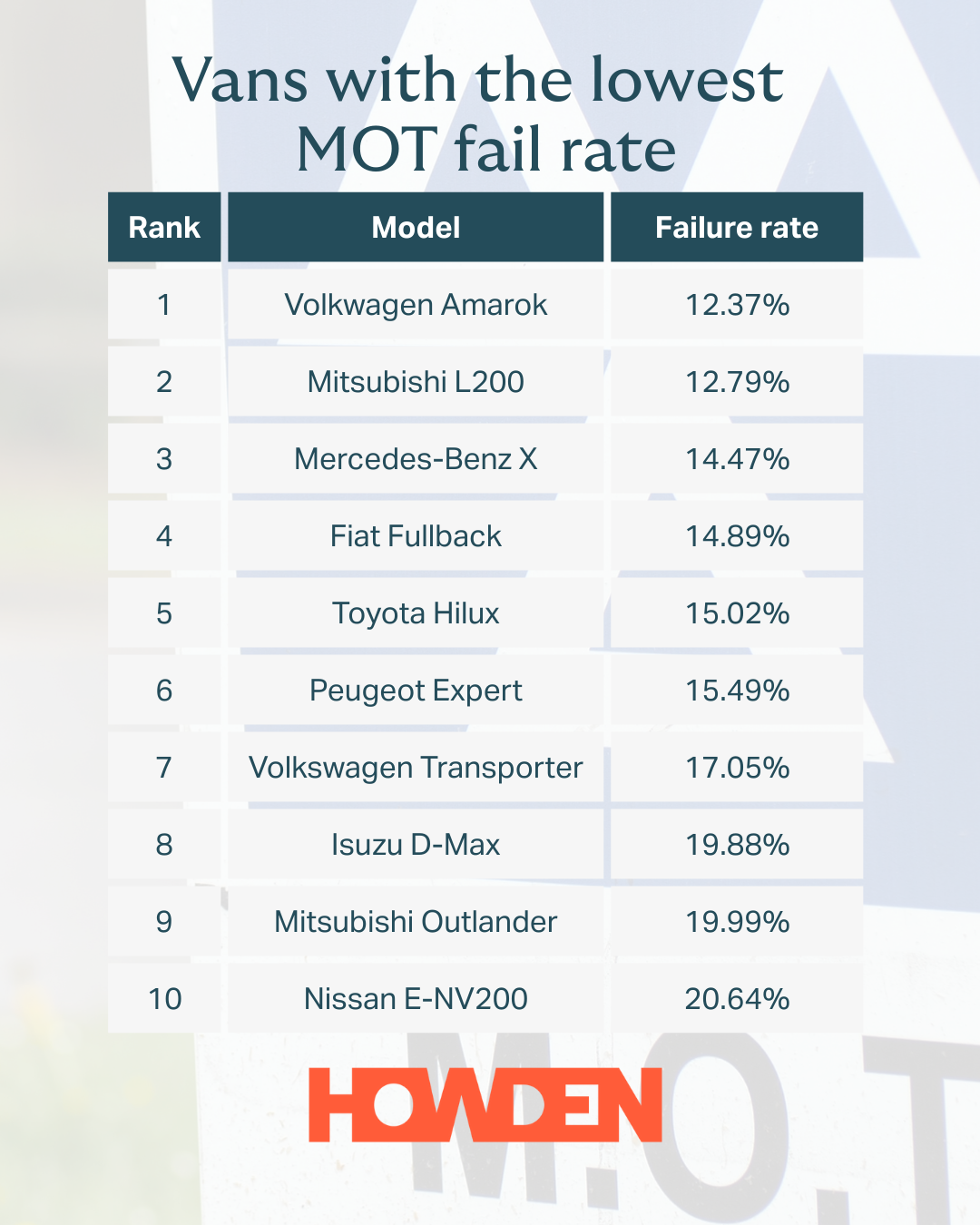
On the flip side, if you’re driving a Volkswagen Amarok, you’re in luck – it tops the pass-rate table at just 12.37%. Among traditional vans, the Peugeot Expert and VW Transporter are the most MOT-friendly.
The vans most likely to pass
It’s not all bad news. Some vans consistently sail through their MOTs:
Most likely to pass: Volkswagen Amarok (12.37% failure rate)
Next best: Mitsubishi L-200 (12.79%) and Mercedes-Benz X-Class
Among traditional vans, the Peugeot Expert and Volkswagen Transporter rank highly for reliability
If you’re running one of these models, you’re already ahead of the curve – but regular checks still matter.
The top reasons van fail MOTs
The number one culprit? Parking brake efficiency below requirements. Other common fail points include:
Registration plate lamps not working
Windscreen wipers failing to clear properly
Tyres below legal tread depth
Interestingly, tyre issues rank lower for vans than cars – suggesting van drivers are better at keeping up with tyre maintenance. But don’t get complacent: tyres are still critical for safety, especially on loaded vehicles.
Why are vans failing more often than cars?
Here’s where we dig into the why. While the DVSA doesn’t give us all the answers, industry experts point to a few key factors:
Ignored advisories: Around 25% of vans that fail had previous advisories. Skipping those “minor” fixes can lead to major problems later.
Heavy loads, harder wear: Vans often carry more weight than cars, putting extra strain on brakes and suspension.
Maintenance gaps: Daily walk-around checks aren’t always done, especially in busy fleets.
Does location matter?
Our previous research on car MOTs showed big regional differences – Bromley topped the table with an 80.64% pass rate, while Kirkcaldy lagged behind at 71.26%. Coastal towns like Truro and Plymouth also struggled.
For vans, the same logic applies:
Older vans in rural/coastal areas = higher failure risk
Tougher conditions (salt, potholes) = more wear
Maintenance habits vary by region
So, where you operate could influence your MOT odds.
How to beat the odds
The good news? Most MOT failures are avoidable with regular care. Here’s what to do:
Don’t ignore advisories. They’re not optional – they’re warnings.
Check your parking brake. It’s the top fail point for vans.
Keep lights and wipers in working order. Simple fixes can save a fail.
Monitor tyre tread and pressure. Especially if you’re carrying heavy loads.
Do daily walk-around checks. A few minutes can prevent breakdowns and fines.
Putting off maintenance leads to downtime, missed deliveries, and higher costs. So prevention really is cheaper than cure!
With one in four vans failing their MOT, it’s a wake-up call for van drivers. Whether you’re a sole trader or managing a fleet, staying on top of maintenance means fewer surprises, safer roads, and less disruption to your business.
January is the perfect time to beat the winter blues and grab a holiday bargain break in the sales. But before you click “book now”, have you ever thought about what an accident abroad could cost you? Spoiler alert: it’s a lot more than the price of your flights.
Two essentials should always be on your packing list: a Global Health Insurance Card (GHIC) and travel insurance. Here’s why.
Why medical mishaps can cost a fortune
Around 30% of all travel insurance claims are for medical treatment, and the bills can be eye-watering. In 2025 alone, holidaymakers faced charges that ran into thousands:
Head injury in the British Virgin Islands: £39,225
And if you’re heading to the USA? Brace yourself. A broken leg there could cost £280,000. One insurer even reported a single claim of nearly £110,000 after a road accident in Canada.
Medical care overseas can drain your savings faster than you think, and where you travel makes all the difference.
What is a GHIC – and why do you need one?
The Global Health Insurance Card gives UK residents access to state-run healthcare in EU countries (and a few others) on the same terms as locals. It replaced the EHIC after Brexit and is free to apply for.
A GHIC can cover:
Emergency treatment for accidents or sudden illness
Care for pre-existing conditions
Routine maternity care
Kidney dialysis and oxygen
But it won’t cover:
Private hospitals or clinics
Medical repatriation back to the UK
Non-medical costs like extra accommodation or cancelled flights
You can use it in all 27 EU countries, plus places like Switzerland, Iceland, Liechtenstein, Montenegro, Australia, and even some French overseas territories.
With this in mind, the GHIC is certainly an essential on your packing list.
Medical repatriation if you need to come home urgently
Extra costs when state care isn’t fully free
Disruption expenses like new flights or accommodation
Cancellations, delays, and lost baggage
You should always buy your policy as soon as you book your holiday. Cancellation cover only kicks in from the day you buy insurance. If you delay and something goes wrong – illness, airline collapse, family emergency – you could lose all your pre-paid costs.
And don’t just pick the cheapest option. Budget policies often mean lower medical limits, minimal cancellation cover, and big gaps for activities like cycling, watersports, or skiing. In fact, half of UK travellers take part in activities that might not be covered by their policy. If you’re injured doing something excluded, your insurer can refuse the claim.
Real risks, real stories
Research shows that two-thirds of travellers have experienced – or know someone who has experienced – one of these holiday nightmares:
Being robbed (19%)
Spending days in hospital (17%)
Losing a passport (17%)
Flying home for medical care (8%)
Being airlifted to hospital (6%)
These figures show there’s no point thinking it’ll never happen to you. It’s more than likely that your travel insurance will be vitally important during your trip. At the very least, it provides peace of mind, so that you can enjoy your well-deserved break. With the right cover, these situations don’t have to turn into financial disasters.
Your safety net for stress-free travel
A GHIC is worth carrying, but it’s only part of the picture. Travel insurance is your real safety net – for medical emergencies, cancellations, and all those unexpected twists that can derail a trip.
So before you book that January bargain, make sure you’ve got both. Because the only thing worse than breaking your arm on holiday… is breaking the bank to pay for it.
Thinking of tackling a home makeover this winter? Brilliant idea. Renovations don’t just refresh your space, they can add real value to your property. But before you grab your thermals and a mug of hot chocolate, let’s make sure frost, floods and festive delays don’t derail your plans.
With the right planning, you can keep your project moving, even when the weather isn’t playing ball. Here’s how to make your winter renovation a success.
1. Weather waits for no one – plan for delays
From late autumn through early spring, the UK weather loves to keep us guessing. Freezing mornings, heavy rain, and short daylight hours can slow progress. Concrete takes longer to cure, plaster takes longer to dry, and outdoor work can grind to a halt.
Build in extra time for every stage. If you’re working with contractors, agree realistic timelines upfront. A little flexibility now saves a lot of frustration later.
2. Protect your work areas
Rain, frost and condensation aren’t just annoying, they can damage your build. Keep tarps, insulated sheeting and temporary covers handy to shield exposed areas. And don’t forget ventilation. It’s the best defence against mould.
Clear any icy paths because the last thing you need is someone slipping and suing. It’s unlikely your contractor’s insurance probably will cover for that kind of incident.
3. It’s a busy time of year – book in early
The festive season isn’t just about mince pies—it’s peak chaos for deliveries and trades. Roads are busy, suppliers shut down, and bad weather can throw a spanner in the works.
Book contractors and order materials well in advance. Confirm availability and double-check delivery dates. That way, you won’t be staring through a hole where your roof used to be for any longer than you need to.
4. Store materials properly
Paint, timber, adhesives, electrical kit all hate cold and damp. Poor storage can ruin quality and even create fire risks. Keep everything in a dry, temperature-controlled space. It’s a small step that prevents big headaches!
5. Keep the heat on, even if you’re away
If you’re lucky enough to escape the cold while your renovation ticks along, good for you! But don’t leave your property to fend for itself. Frozen pipes and frosty rooms can cause chaos, not to mention make life miserable for your tradespeople.
Set your heating on a timer and, if possible, ask a friend or neighbour to pop in now and then. A quick check can save you from burst pipes and big bills!
6. Insurance: your winter safety net
This is the big one. Winter brings extra risks; storms, leaks, even theft if your property’s exposed. The right renovation cover means you can relax, knowing you’re protected against the season’s surprises.
Before you start, check your policy covers cold-weather scenarios. It’s a five-minute job that could save you a world of stress later. Because when winter throws a curveball, insurance turns a potential disaster into a minor hiccup.
Ready to renovate with confidence?
A well-planned renovation can boost your home’s value, but it’s worth making sure your finances and insurance are in sync. From renovation cover to mortgage advice, we’re here to help you protect your investment and plan for the future.
After the festive season, homes are full of shiny new tech, jewellery and gifts – but most people haven’t updated their contents insurance to cover them. So, which postcodes are burglars targeting most? And where in the UK has the lowest burglary rates?
The UK’s burglary hotspots
Homes in B15 in Birmingham – covering Edgbaston and nearby areas – recorded 57.7 burglary-related insurance claims for every 1,000 home insurance quotes between 2021 and 2024.
It’s no surprise: Edgbaston is home to some of the city’s most expensive properties, making it a prime target for thieves. The area also hosts the University of Birmingham and Birmingham City University, and student accommodation can be appealing to burglars thanks to high-value tech and less-than-perfect security habits.
The second-worst postcode was B94 in Solihull, with 39.2 claims per 1,000 quotes. In third place, TW12 – covering Hampton in Greater London – saw 38.1 claims per 1,000. With average house prices topping £700,000, Hampton’s affluent homes are an obvious draw.
Greater London dominated the rankings, accounting for six of the top ten burglary hotspots. SW13 in Barnes and M12 in Greater Manchester shared fourth place with 37.5 claims per 1,000.Mortlake and East Sheen also featured, as did E9 – spanning Hackney Wick and Homerton – and SE21, covering Dulwich and its leafy surrounds, were close behind. Even Thames Ditton in Surrey made the list, proving that high-value homes remain a consistent lure.
Regionally, London had the highest burglary claim rate overall at 20.4 per 1,000, followed by Yorkshire and The Humber at 13.3, and the West Midlands at 13.1.
Rank
Postcode District
UK Region
County/Council Area
Towns/Areas
Burglaries Per 1,000
1
B15
West Midlands
West Midlands
Edgbaston, Lee Bank
57.7
2
B94
West Midlands
Warwickshire
Olton, Solihull
39.2
3
TW12
London
Greater London
Hampton
38.1
4
SW13
London
Greater London
Barnes, Castelnau
37.5
5
M12
North West
Greater Manchester
Ardwick, Longsight, and Chorlton-on-Medlock
37.5
6
E9
London
Greater London
Homerton, Hackney Wick, South Hackney, Hackney Marshes, Victoria Park
37.1
7
SW14
London
Greater London
Mortlake, East Sheen
36.0
8
B13
West Midlands
West Midlands
Moseley, Billesley
35.9
9
SE21
London
Greater London
Dulwich, Dulwich Village, West Dulwich, Tulse Hill, Sydenham Hill
At the other end of the scale, Northern Ireland comes out on top for peace of mind. The BT23 postcode – covering Newtownards, Ballygowan, Comber, Conlig, Killinchy and Moneyrea – recorded just 1.1 burglary-related claims per 1,000 home insurance quotes over the four-year period.
Scotland’s safest spot was AB51 in Inverurie, Aberdeenshire, while in England, residents of the CA7 postcode in Cumbria had the lowest burglary risk.
In Wales, CF39 – spanning Porth, Llwyncelyn, Cymmer, Glynfach, Trebanog, Ynyshir, Wattstown, Dinas, Tonyrefail, Coed Ely, Thomastown, Gilfach Goch and Evanstown – saw only 2.3 claims per 1,000 quotes, making it the safest Welsh postcode and fifteenth lowest in the UK overall.
Looking at the bigger picture, Northern Ireland had the lowest regional burglary claim rate at 3.7 per 1,000, followed by Wales at 6.7 and Scotland at 7.1.
Long, dark evenings, shiny new Christmas gifts, and homes left empty over the holidays make this season a hotspot for break-ins. Here’s some handy tips for protecting your home:
Invest in security – cameras, alarms, even smart doorbells can all help deter thieves, and come in handy should the worst happen.
Store items in a safe – for valuables and heirlooms that you want to stay hidden, but also cash, wallets and keys.
Always lock your windows and doors – it’s easy to get distracted, but always do a sweep of your home to check everything’s locked before heading out, even if it’s a short trip.
Don’t forget about outside – garages, sheds and outbuildings can all store expensive items like bikes, golf clubs or gardening tools. Make sure these are securely locked too.
Be careful what you signal about your home – the post-Christmas bin day collection can reveal clues about what flashy items you’ve got inside. And so can your social media posts about when you’re away, or what presents Santa brought. Consider what you post online, and take care to dispose of packaging discreetly.
Your next phase of protection is your insurance. This time of year often comes with an increase in valuables, but how often do you update your cover to reflect this? Your home insurance usually comes in three forms, with each designed to shield you from costly surprises:
If your cover doesn’t reflect the true cost of repairs and replacements, you could end up paying thousands out of pocket. Around 80% of people undervalue their possessions and even their home’s structure – leaving them exposed when the unexpected happens.
Artificial intelligence (AI) is changing the world in incredible ways. But while in some areas it’s innovating, it’s also giving fraudsters new tricks up their sleeves. And if you drive, you could be in their sights.
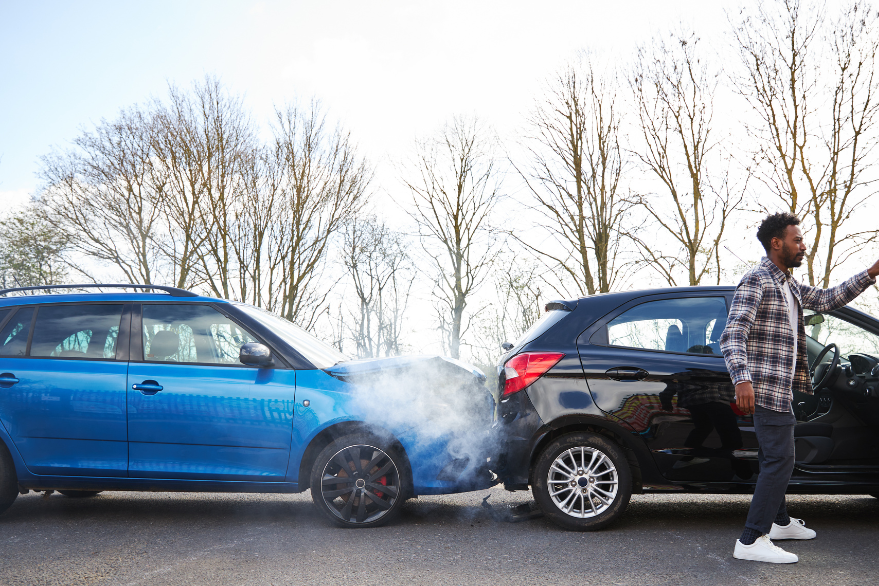
Using AI, it didn’t take long to make it look like this car was damaged!
Think doctored photos showing damage that never happened. Or videos that make a minor bump look like a major smash. According to industry reports, UK insurers have seen a sharp rise in suspicious claims since AI image generators hit the mainstream. One global insurer even reported a 300% increase in cases involving manipulated images and documents.
The rise of AI-powered scams – why it matters
Fraudulent claims aren’t a victimless crime. If someone makes a false claim against you, it could mean higher premiums, legal headaches, and a fight to clear your name. Imagine being blamed for damage you didn’t cause – and seeing “proof” that looks convincing because it was created by AI.
We were able to edit this image in minutes using AI, to give a false impression of the car’s condition.
So, how do you protect yourself? Here are some practical steps:
Invest in a dash cam. It’s one of the best ways to prove what really happened in an accident.
Keep records. If you’re involved in a collision, note the time, location, and details of the other vehicle. Take your own photos straight away – and never edit them.
Stay alert for staged accidents. Sudden braking, erratic driving, or being waved into traffic only to be hit – these are classic crash-for-cash tactics.
If you think someone’s tried to make a false claim against you, don’t wait – call your insurer straight away. They’ll share the details with you, like when and where the incident supposedly happened, so you can start building your side of the story. And here’s where a dash cam earns its keep: clear footage can be the difference between stress and peace of mind.
Taking photos of a collision
When you’re making a claim, clear, honest photos are your best defence. Snap the damage as soon as you can, from different angles, and include the number plate if possible. Get close ups and wide shots, and keep your hands steady to avoid blur.
But here’s the golden rule: never edit your images. Not even a quick filter or a bit of sharpening. Even innocent tweaks can look suspicious, and if you accidentally use an AI-powered tool, you could end up flagged as a fraudster.
Under the Fraud Act 2006, making a fraudulent claim can land you with a fine of up to £5,000, or even a prison sentence of up to 10 years if it’s serious or repeated. Your name could end up on the Insurance Fraud Register, which means higher premiums or being refused cover altogether. In short: a quick edit could cost you far more than you think!
What insurers are doing to tackle AI fraud
Insurers and the UK government are cracking down. The Joint Fraud Taskforce is targeting offenders, and technology works both ways; insurers are using AI to detect fake evidence too.
It looks like AI isn’t going away anytime soon. And while it’s exciting, it’s also a reminder to stay vigilant. A few simple steps, like installing a dash cam and reporting concerns quickly, can save you a lot of hassle later.
Trust is the backbone of every successful client relationship. For tradespeople and small businesses, a well-written contract does more than outline the job. It sets expectations, prevents disputes, and shows professionalism, and when clients feel secure, they’re more likely to return and recommend you. So, how do you make your contracts work harder for you?
Why clarity matters
A vague contract is a recipe for misunderstandings. When details are missing assumptions creep in and that’s when problems start. Clear contracts protect both sides, making sure everyone knows what’s included, what’s not, and how issues will be handled.
Think of your contract as a trust signal. It says: I’m organised, transparent, and committed to delivering what I promise.
Here are our top tips for creating clear contracts
1. Spell out the scope of work
Don’t leave room for guesswork. List exactly what you’ll do and what you won’t. For example:
Include specifics: “Supply and fit eight kitchen units” rather than “Kitchen installation”.
Add exclusions: If electrical work isn’t part of the job, say so.
This avoids the dreaded “I thought that was included” conversation and means that everything is clear for if your client then starts to change the spec (see point 4.).
2. Be upfront about costs
Break down your pricing so clients understand what they’re paying for. Use:
Itemised quotes: Labour, materials, and any extras.
Clear payment terms: When deposits are due, final payment dates, and accepted methods.
Transparency here builds confidence and reduces payment delays.
3. Set realistic timelines
Clients appreciate honesty about timeframes. Include:
Start and finish dates.
Allowances for delays beyond your control, like bad weather or supply issues.
A realistic schedule shows you’ve thought things through.
4. Define how changes will be handled
Projects evolve. Make sure your contract explains:
How variations are agreed.
How extra costs are calculated.
How new timelines are confirmed.
This keeps everyone on the same page when plans shift.
5. Include dispute resolution steps
No one likes to think about disagreements, but planning for them shows professionalism. Add:
A process for raising concerns.
A timeline for resolving issues.
Reference to relevant trade bodies or ombudsman services if needed.
This reassures clients that you’ll handle problems fairly.
6. Use plain language
Avoid jargon and legal terms. If a client can’t understand the contract, they won’t trust it. Write in everyday language and keep sentences short where possible.
7. Make it easy to sign
Digital signatures are quick and secure. They save time and give clients confidence that the process is professional.
A clear contract isn’t just paperwork. It’s a powerful tool for building trust, reducing stress, and protecting your livelihood. Take the time to get it right and you’ll see the benefits in stronger client relationships and fewer disputes.
At Howden, we’re here to support you whatever business you’re in, while you focus on what you do best; getting the job done.
Late payments are more than an inconvenience. They can throw your cash flow off balance, make it harder to pay suppliers, and end up putting your business at risk. That said, with a few smart moves, you can keep the money flowing and stay stress-free.
Why late payments can hit so hard
When you’re waiting for funds that should already be in your account everything slows down. Bills pile up, projects stall, and you spend more time chasing the cash than doing the work. That’s why managing your finances isn’t just about numbers; it’s about keeping your business healthy and you focused on the next job.
Here are our strategies to stay in control of your cash flow
1. Set clear payment terms from the start
Don’t leave payment details buried in the small print. Make them obvious:
State due dates in bold on every quote and invoice.
Include late payment penalties if appropriate.
Confirm terms before work begins so there are no surprises.
Clear expectations reduce excuses later.
2. Invoice promptly and professionally
The sooner you send an invoice the sooner you get paid. Use:
A branded template that looks professional and reinforces trust.
Automated reminders so you’re not chasing manually.
A polished invoice signals that you run a tight ship.
3. Offer easy payment options
Make paying you as simple as possible:
Bank transfer details on every invoice.
Card payment links or online platforms.
Consider instalments for larger jobs to ease client concerns.
Convenience often speeds up payment.
4. Keep a cash buffer for rainy days
Even with the best systems delays happen. Build a reserve:
Aim for at least three month’s operating costs in savings.
Start small and add regularly.
Treat it as non-negotiable, like paying yourself first.
This cushion gives you breathing space if and when payments fall behind.
5. Use credit control without fear
Chasing money doesn’t have to feel awkward. Try:
Friendly reminders before the due date.
Firm but polite follow-ups after.
Escalation steps if needed, such as late fees or debt recovery services.
Consistency shows you mean business without damaging relationships.
6. Negotiate better terms with suppliers
If clients are slow, ease the pressure elsewhere:
Ask suppliers for extended payment windows.
Explore trade credit options.
Build strong relationships so flexibility is possible when you need it.
This will keep your outgoings aligned with your incomings.
7. Consider invoice financing for big jobs
For larger projects invoice financing can bridge the gap:
You get most of the invoice value upfront.
The finance provider waits for client payment.
It’s not free, but it can keep cash flowing when timing matters.
Late payments are frustrating, but they don’t have to derail your business. With clear systems, proactive communication, and a few smart financial tools, you can keep your finances healthy.
At Howden, we’re here to support you whatever business you’re in, while you focus on what you do best; getting the job done.
Self-employment has plenty of perks, but when the phone stops ringing the stress can kick in. Seasonal dips, unexpected cancellations, or even a quiet patch can leave you wondering how to keep the bills paid. The good news? There are practical ways to safeguard your income and keep your business steady, even when work slows down.
Plan ahead with an emergency buffer
A rainy-day fund isn’t just for big businesses. Setting aside a small percentage of every job into a separate savings account can make a huge difference. Aim for at least three months’ worth of essential expenses. It sounds like a lot, but even £50 a week adds up quickly. This cushion gives you breathing space to fall back on when work dries up.
Consider income protection insurance
If illness or injury stops you working, income protection insurance can be a lifesaver. It pays out a regular amount to cover your living costs until you’re back on your feet. Policies vary, so look for:
Flexible cover that suits your trade and income level.
Short waiting periods so you’re not left hanging.
Clear exclusions (it’s worth reading the small print carefully).
Think of it as a safety net that keeps you going when you can’t pick up the tools.
Diversify your income streams
Relying on one type of job can leave you exposed. Could you offer related services? For example:
A plumber might add emergency call-outs or boiler servicing if they weren’t part of the original day job.
A carpenter could branch into bespoke furniture or repair work.
An electrician might offer smart home installations.
Small changes to your proposition for clients can generate new revenue without huge investment.
Stay visible during quiet times
When work slows marketing often gets pushed aside, but that’s the moment to double down. Keep your name in front of potential clients:
Post recent projects on social media.
Ask happy customers for reviews.
Update your website with fresh content.
Visibility builds trust and trust brings enquiries.
Negotiate better payment terms
Late payments can turn a slow month into a nightmare. Protect your cash flow by:
Asking for deposits upfront.
Setting clear payment deadlines in writing.
Using invoicing tools that send automatic reminders.
It’s not pushy; it’s professional and it’s about making sure you’re paid promptly for what is owed.
Think long-term, not just quick fixes
Quiet spells can be part of the trade but they don’t have to derail your finances. By combining smart planning, insurance cover, and proactive marketing, you’ll create a business that can weather the ups and downs.
At Howden, we’re here to support you whatever business you’re in, while you focus on what you do best; getting the job done.
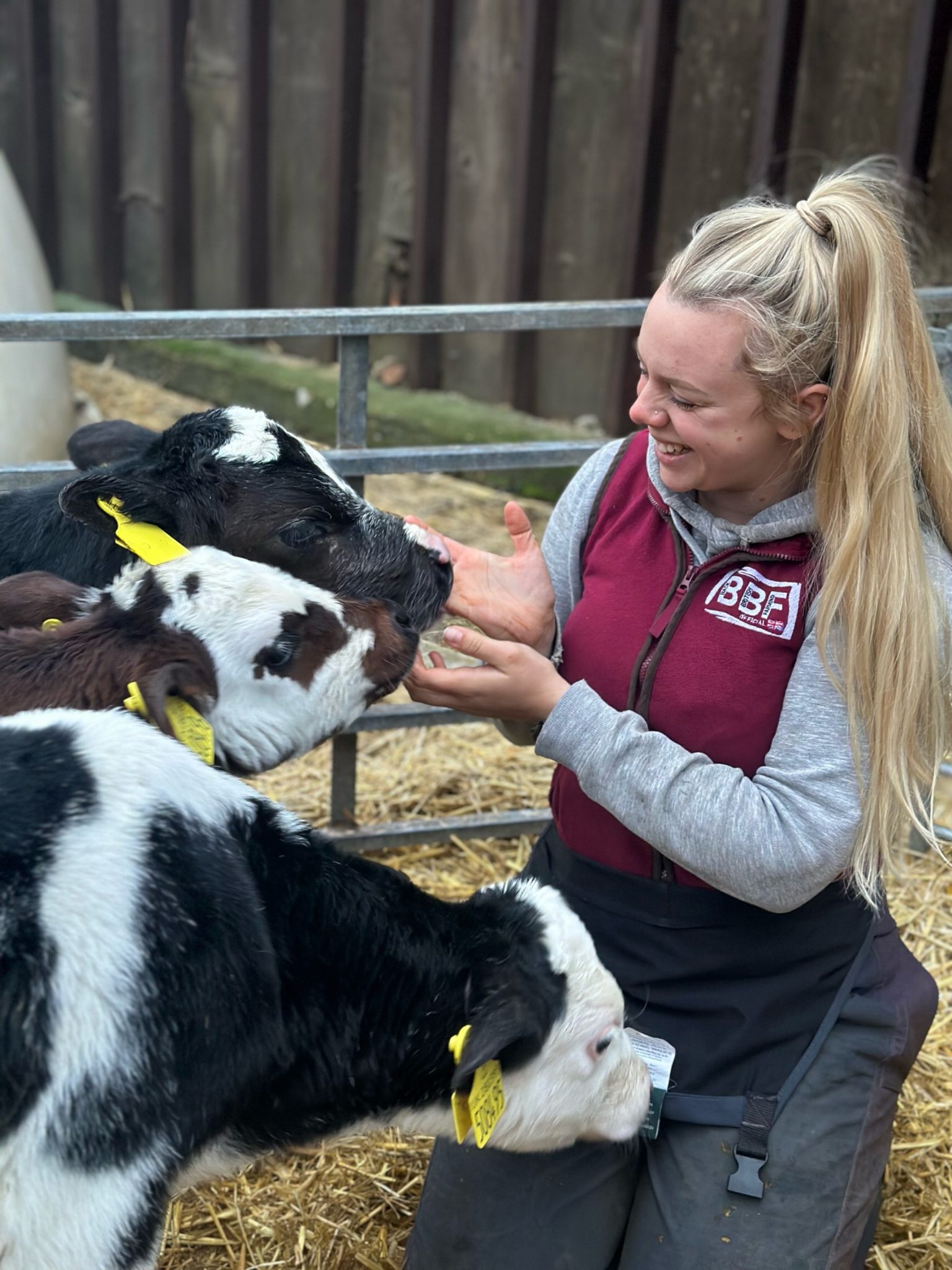
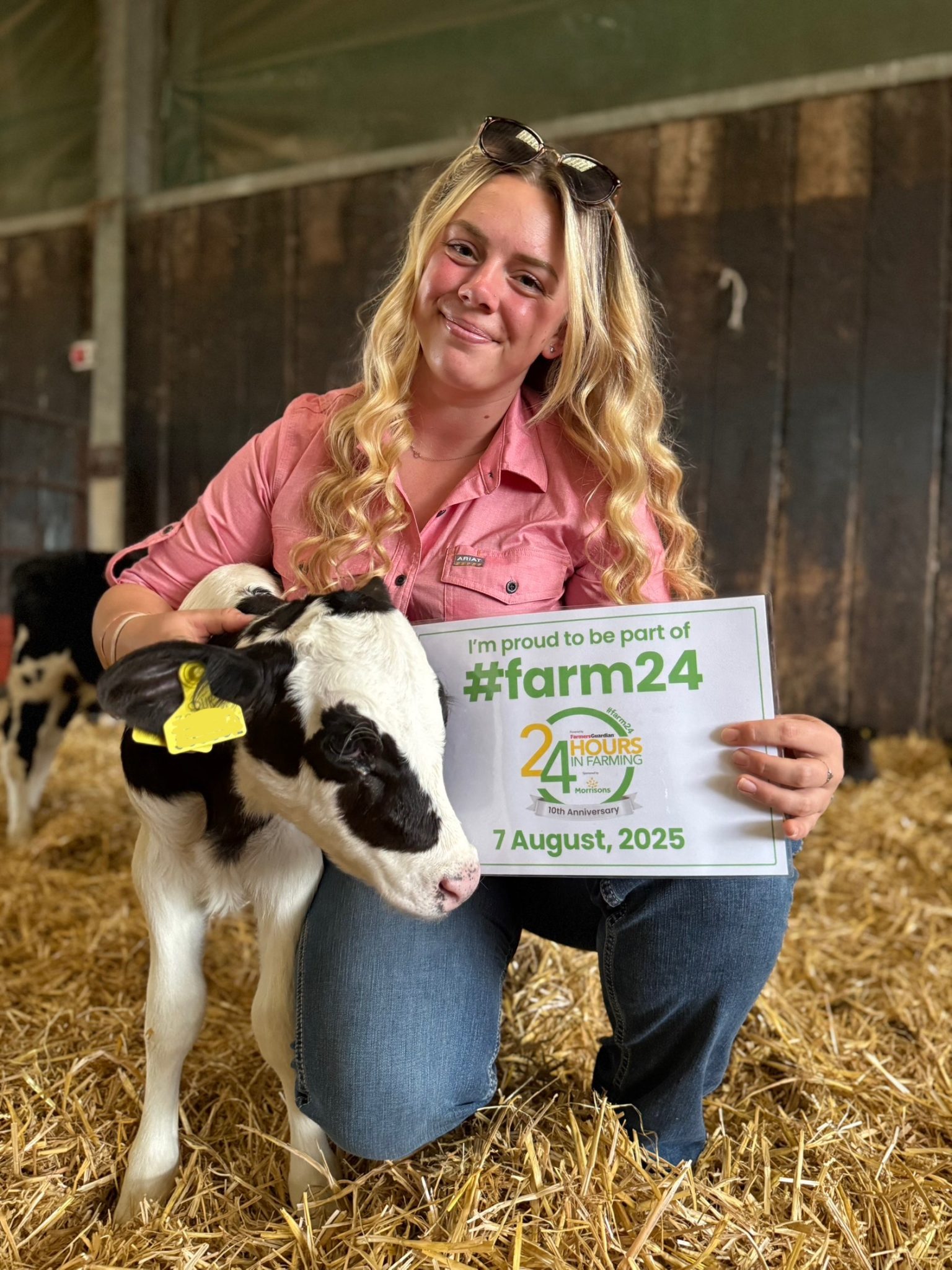
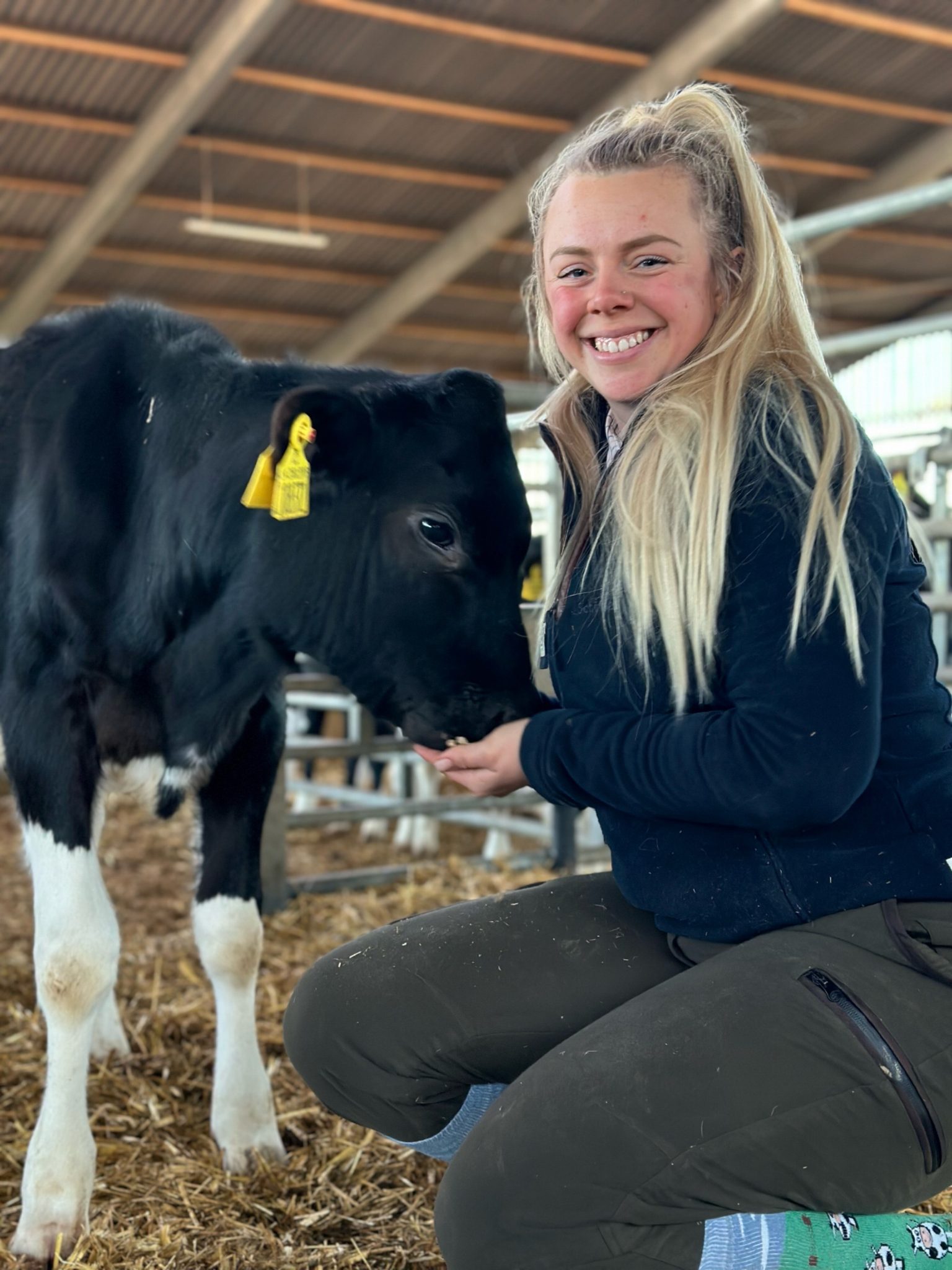
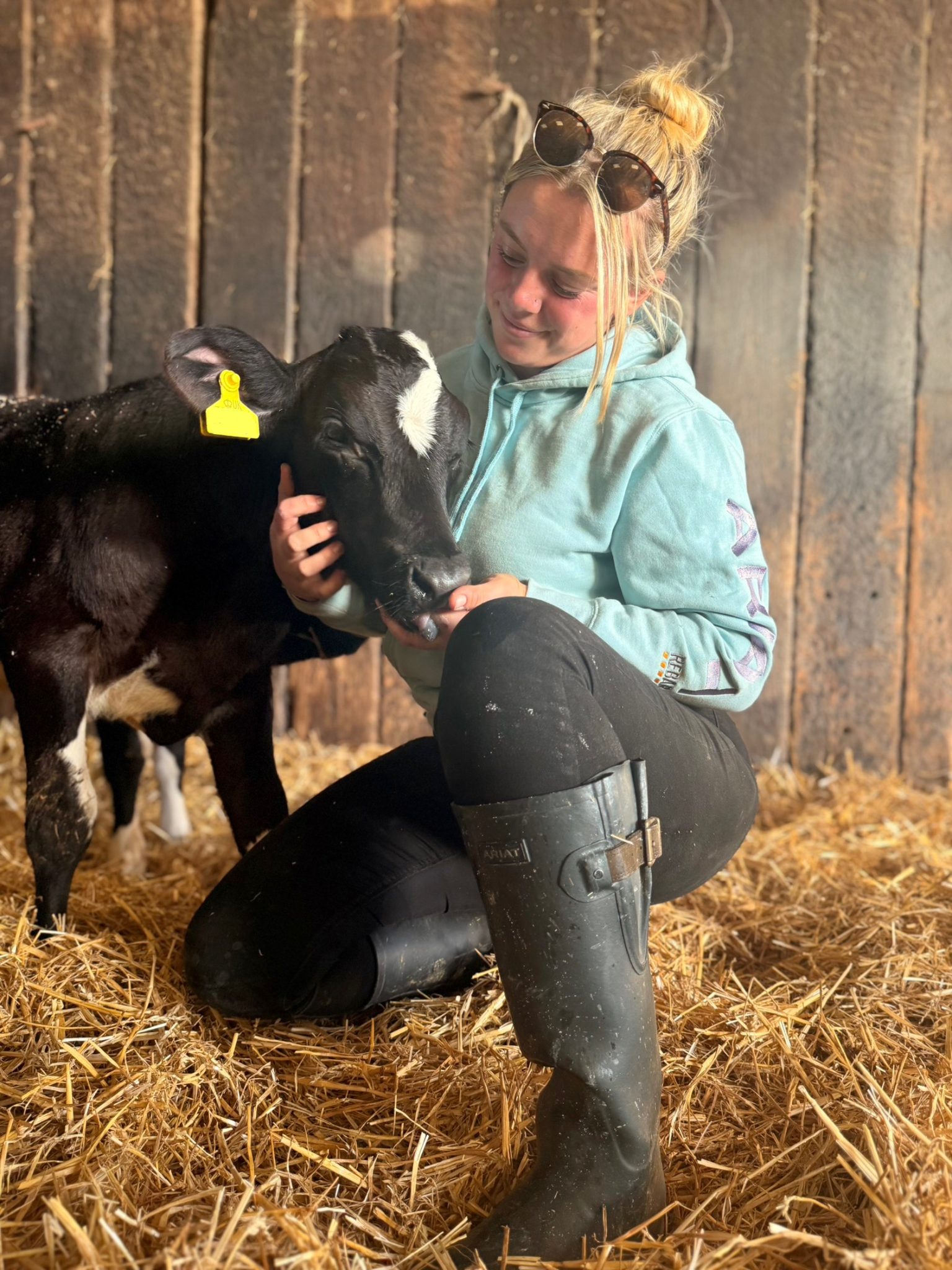
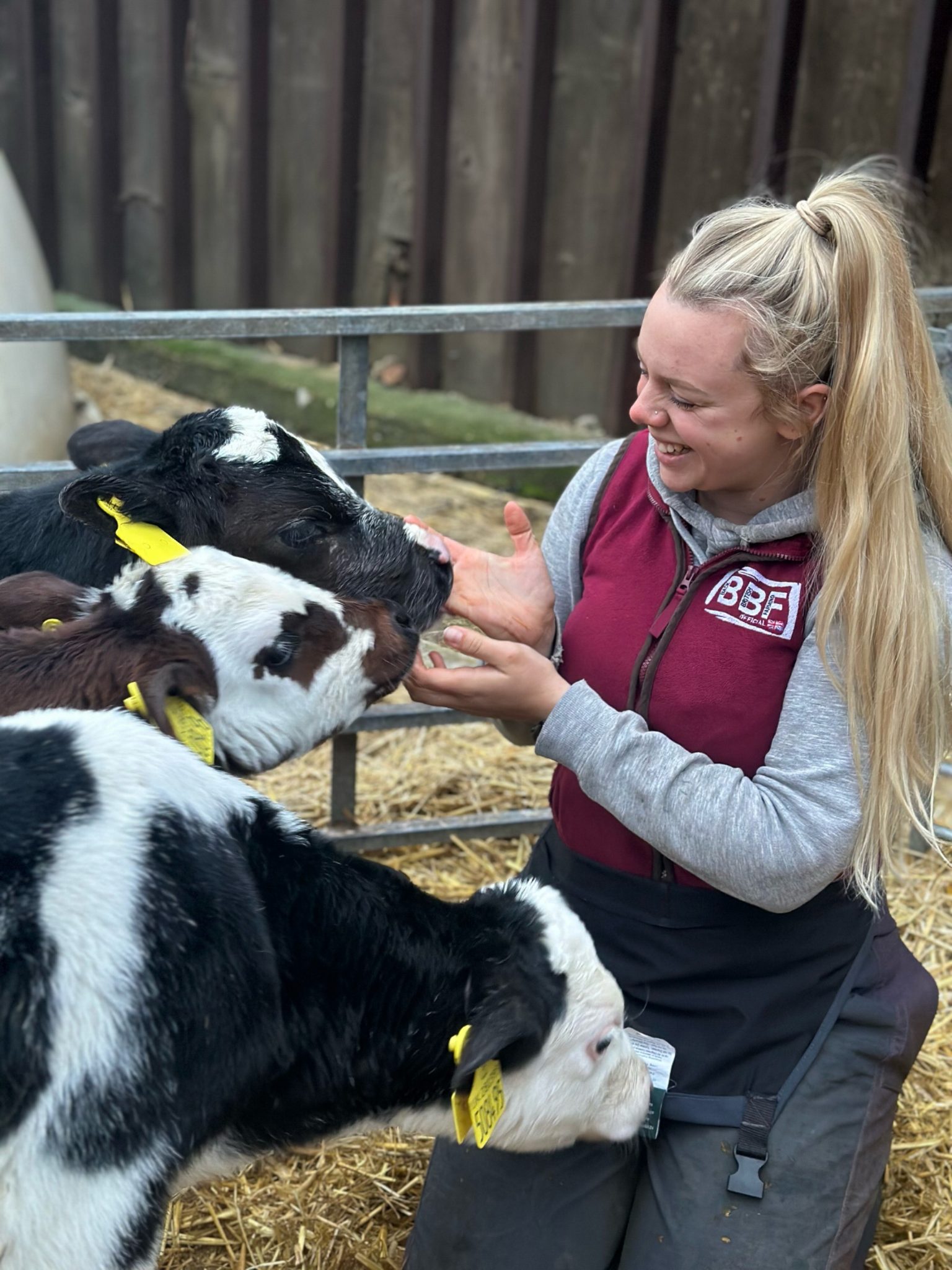
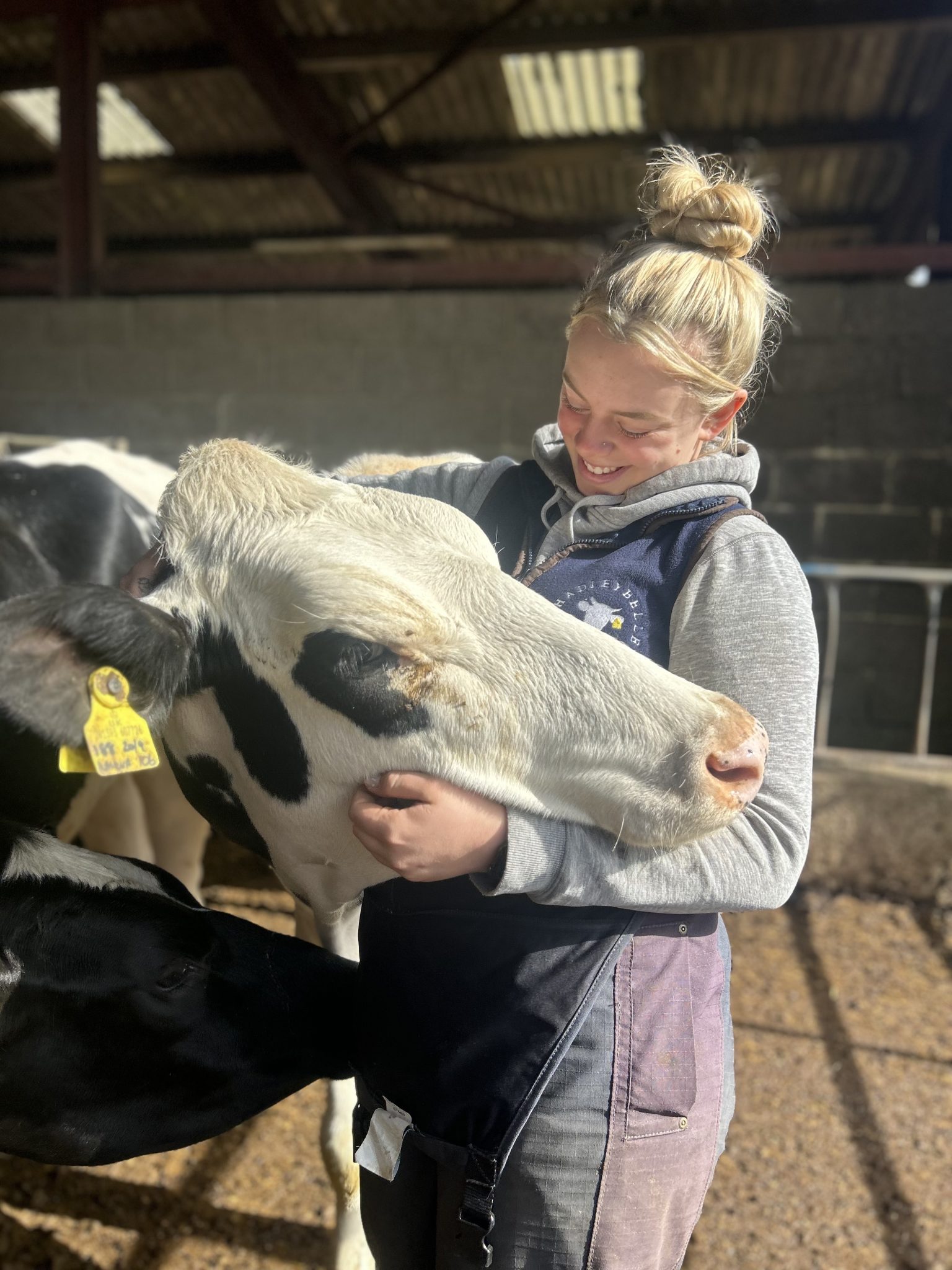
As part of our campaign to support British farming, we created this blog to provide farmers with a platform to share their stories and experiences, offering insights beyond what you see on their Instagram accounts. Read below to take a walk in Ellie’s (@x_ellielouisee_x) wellies, a first generation stockwoman & calf rearer…
Hi! So let me introduce myself. My name is Ellie Louise Scovell, I am a first-generation farmer, born & bred on the Isle of Wight, but am now based in Wiltshire! I moved to the mainland in May of 2022 by myself (completely away from all of my family, friends, and everything I’ve ever known), to pursue my career in farming as the Island was a tad too small for me and I knew this was the next step I needed to make in my career! I originally moved to be a full-time calf rearer/herds person in Hampshire, where I ran my own youngstock unit. Since then, I have moved to Wiltshire, where I am currently based on a dairy farm as head calf rearer/herdsperson.
Can you tell us about the history of your farm and how you got started in farming?
So I’m actually a first-generation farmer, so I don’t come from a farming family or a farming background. I’ve been lucky enough to have been around horses & riding since I was 10/11, and since then I’ve been obsessed with countryside life. I originally thought I wanted to work full time with horses, but quickly decided that this wasn’t for me & that I wanted to keep it as a hobby instead! I had thought about working in farming previous to this but living on a small island with extremely limited opportunities, this didn’t seem to be a feasible career at the time! But as soon as I decided that full time horses weren’t for me, I immediately pushed and pushed for an opportunity to farm full time as I knew this was the career & lifestyle for me. Eventually after a lot of proving myself, hours of free labour & working my absolute bum off, I managed to get my first full time farming job on a dairy farm on the coast of the island. Safe to say, I have never ever looked back since!
Why did you decide to become a farmer?
I loved the idea of working with livestock, driving tractors & i absolutely loved the lifestyle. I’m an outdoors girl, always have been, and I didn’t feel like there was a better place for me to be. I also love the community and knew how proud I’d feel to be helping to produce great British produce!
What led you to decide to farm the animals you have?
I just love cows! Calves are my absolute favourite, honestly there isn’t an animal that I’d rather work with over calves. It’s something that I had a massive passion for ever since I started farming, and something that I’m now proud to say is my specialty.
Briefly describe a typical working day.
In the heat of calving, it always starts with a cup of tea while I check round all of the calves (and say hello to my favourite girl Mary), then straight onto making the milk, feeding it all out, then teat training the newest calves, next is washing everything up, then onto bedding, waters & nuts, next would be getting in the fresh calves & cows, tagging them, and then lunch! After lunch, straight into feeding again, then tubing the new calves with colostrum, lastly washing up & then once I’ve made sure everyone’s happy & healthy, off home I go! (After giving Mary an evening scratch of course).
Do you get any time off? If you do, what do you like to do?
Time off in farming is so important. It’s such a full on job 24/7, that you do have to make sure you get a break & let your body have a bit of a rest. I love doing all sorts of things when I get time off. Whether that be beating in the shooting season, going for a ride on my pony Beebles, going for dog walks, visiting family & friends, or spending time with my boyfriend doing all sorts of bits & bobs! It’s so important to prioritise your mental health, especially where farming can be such a lonely job, and I find that spending time doing things I enjoy, really helps with this.
What’s great about being a farmer?
Oh there are so many brilliant things about being a farmer!! Whether that be bringing new life into the world, to knowing that your feeding the nation, to working with some of the best animals or driving the best kit! The lifestyle of being a farmer is just wonderful. Yes, it’s early mornings & late evenings, but in that you can find the positives. You get to see some of the most beautiful sunrises & sunsets, you get to see the world quiet before everyone else wakes up & see nature like no one else does. It’s also great to know that you’re helping to provide some of the best British produce to help feeding the country! You get to enjoy the company of some wonderful animals and know that you’re giving them the best care & love. Oh and did I mention how fun is it driving the different types of kit?
What job opportunities are available for somebody, man or woman, wanting to enter the trade?
There are so many different jobs available! You could go into anything from being a herdsperson on a dairy farm, to a tractor driver, a calf rearer, a farming freelancer, general farm worker, an AI technician, a farm vet, a chicken farm worker, an agronomist, a farm manager, a farm salesperson, an agricultural mechanic, a Shepard, a pig farmer, and so many more!! The wonderful thing about agriculture is that there are so many different types of farming that there’s something for everyone!
What are the key qualities needed to do your job?
Patience, commitment & attention to detail! (Also, you’ve got to love baby moos and not mind the smell of milk).
How did you train for and become competent at this role?
I actually never actually went to agricultural college, so all of my training has been on the farm while working! I just learned as I went, and I found this personally worked wonderful for me. I have done additional training along the way with certain things which has been great, and I have really enjoyed doing different bits! I learned so so much at my first full time farming job, I worked under 2 wonderful herdsmen who both took me on and taught me so many skills & things that I still use to this day! I’m forever grateful to them both for giving me the best start into farming.
What are some of the biggest challenges you face as a farmer in the UK today?
I feel like from my own personal experience, one of the hardest things I’ve faced working in farming, is having to prove that I can do the job just as good, if not better, than any other man. Being a first-generation farmer as well, I have really had to push to get where I am, and it really wasn’t easy and it took a heck of a lot of work to get where I am now. I do feel as well that a big struggle of farming right now in the UK, is that not enough people have an understanding of farming to support us as much as we need, especially at a time like this. I do think that there is so much more education needed for people that aren’t as familiar with farming & countryside life, and this is something that I do myself try and educate people on.
Have you always felt supported when learning and on the job?
Yes absolutely. I am so lucky to have worked with some really brilliant people since working within the industry. I’ve been taught everything from scratch which can at times take a lot of patience! It that comes with a lot of learning curves, whether that be good or bad! I’ve always been lucky enough to (most of the time) have someone on the end of the phone whenever I’ve needed help, broken something (oops) or ever had an emergency. I also feel very privileged that I’ve been able to teach & help other people learn from scratch, and honestly it’s the most rewarding thing ever. One of the most important things I feel when working on a farm is to support your colleagues, in all ways you are able too! Teamwork makes the dream work!
What would you say to other people thinking of becoming a farmer?
DO IT!! It’ll be the most rewarding job you’ll do. Yes, it’s long hours. Yes, it’s working in all weathers all year round. Yes, you get covered head to toe in all sorts of things most days, but my goodness, it is the best job in the world. It might seem like a lot at first, but once you find your place in the industry, you’ll understand why what you’re doing is the best & most rewarding job. It’s the best decision I’ve ever made, and one I’d never ever change, I’d choose this a million times over.
What is your stance on the import of cheaper agricultural products from abroad, and how does it affect local farmers?
I feel that honestly, the best thing you can do for any British farmer, is to buy British. Whether that be when you’re shopping in the supermarkets, make sure your fresh produce is British grown, and also that it has the Red Tractor logo on the label! If you’re in a position where you can, absolutely buy from local farm shops too. You know you’re paying for high quality, British produce, from farmers with a very high welfare standard and that have reared & finished their animals in the correct & proper way.
How do you feel about the portrayal of farmers and farming in the media?
I feel like farming & farmers isn’t always portrayed in the best light, which is absolute madness to me. I do feel like there is so much more education needed for so many people, to understand how they get their food & where it comes from. That people need to remember where the food in the supermarkets comes from & that everything they eat is all grown from a farmer. There’s always someone that tries to slam an awful light on farmers & farming, and it’s so sad & such a shame to see, but we do seem to be pushing the goodness of farming out there more in the media, and across social media which is brilliant. So let’s hope in time that it will continue to be talked about, more positivity will be shared & education behind it will increase. And from my part, I will continue to do my part to educate & teach everywhere I go & at every opportunity I get.
Can you share a memorable story or experience from your time on the farm?
Oh I have so many!! One of my favourites, was my first time calving a cow. It was at my first ever full-time job on a dairy, and my best friend had popped in to see me on my lunch. I’d been keeping an eye on a cow that was calving (who was taking a little bit too long for my liking), so when I’d seen that she had not progressed in good enough time, I decided to give her a little hand & calved my first ever cow, right in front of my best friend! Another favourite memory of mine was when I had a very premature Angus heifer calf born. She was so tiny & extremely weak, so I did the only thing I thought to do and took her home with me! Her first night alive she spent it on my lap on the couch, warming up with a hot water bottle while watching a film! She lived her first ever 48 hours in my living room, with a dog coat on, and ended up absolutely coating my door & wall in calf poo! It was so bad that I had to bath her… she went up to the barn the next morning! She even got named Rosie and was more like a dog than a calf. She followed me absolutely everywhere & was the biggest personality in the shed. The last one I’ll share for now is a simple one, but a favourite of mine. It is simply seeing one of my heifer calves that I had reared (no.26) back on my first season on the mainland, then have her own calf 2 years later and go into the dairy herd. She was an absolute favourite of mine, and it just felt like such a full circle moment for me.
How do you manage stress and maintain mental well-being as a farmer, and what coping strategies have you found to be effective?
I 100% think that learning to do my best to put my mental & physical health first (well, I’m still working on this, but I’m trying my best) has done me the world of good. I think that farming is such a stressful lifestyle at times, that it’s really important to not forget to look after yourself and give yourself time to de-stress when you can. I know this is easier said than done, but it can be doing simple things, like walking the dog, sitting down with a cup of tea & watching a comfort film, spending time with loved ones, or even having a pint at the pub with some friends. My personal favourites are watching a comfort film with candles lit with my boyfriend, going for a dog walk with friends, going for a ride, and even just chilling on the sofa with a plate full of snacks. It has really taken me a long time to learn how to switch off and relax (and I am still learning this) but after a tough time last year where I really struggled with my mental health, I actually had to really push myself to put myself first as I knew I couldn’t carry on how I was. You need to remind yourself, that YOU are so important, and if you’re not looking after yourself properly, that it’ll affect you trying to look after & manage other things properly. Your mental & physical health is so important, and I really can’t stress that enough.
If you’re a farmer and you’d like to contribute in our campaign to raise awareness for the incredible work in British agriculture, please drop us a DM on Instagram – @howdenrural
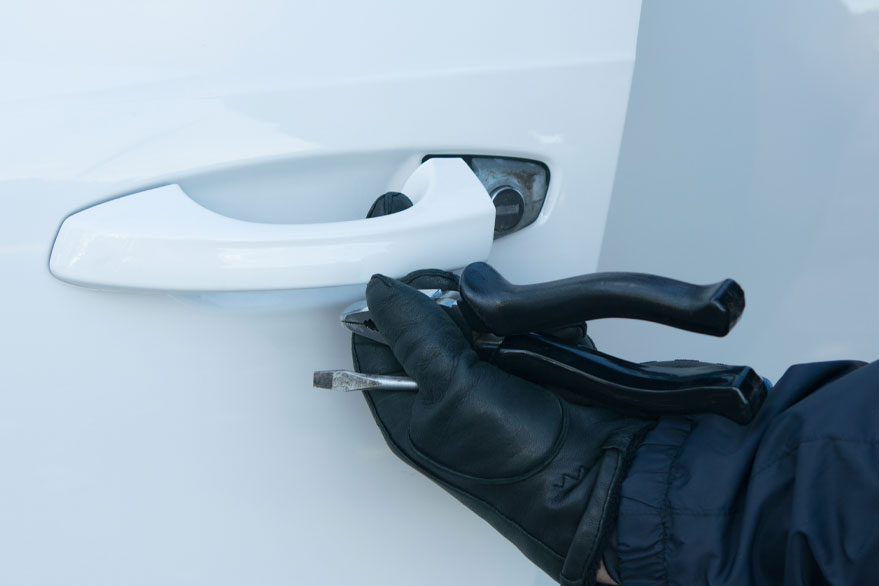
Tool theft continues to surge across the UK, and drainage and ventilation maintenance contractors are among those most affected. Every week, we hear from contractors whose vans have been broken into, leaving them facing costly losses and downtime.
The problem isn’t just the theft itself – it’s the insurance cover. Far too many policies fail to provide meaningful protection, leaving contractors exposed when they need support the most.
The hidden exclusions
Around 90% of policies covering tools, plant, and equipment contain exclusions that brokers often fail to highlight. Two of the most common are:
Unattended vehicle exclusions: If your van is broken into while left unattended – whether parked outside your home, on site, or even while you grab a quick lunch – chances are you’re not protected.
Overnight storage conditions: Many insurers require vans to be kept in a locked building or compound overnight. If you don’t have access to such a facility and your van is broken into, once again, you may not be covered.
These exclusions mean that even diligent contractors can find themselves uninsured when theft occurs.
Fit-for-purpose protection
At Howden, we’ve helped drainage and ventilation maintenance contractors secure cover that actually works for their trade. Our policies are designed with contractors in mind, offering:
Increased cover
Fewer restrictions
Competitive premiums – often lower than policies riddled with red flags
Let’s be honest: doing your drainage or ventilation contractor insurance properly might cost a little more than a generic trades policy. But being wrongfully insured or overlooking those trades insurance exclusion caveats? That’s not worth the paper it’s written on.
Protect what earns your living
Your tools are the backbone of your business. Without them, jobs grind to a halt and income is lost. Ensuring they’re properly protected isn’t just about peace of mind – it’s about safeguarding your livelihood.
For honest advice from someone who understands your trade, get in touch with the Howden team. We’ll provide a free policy review or tailored quote to make sure your tools — and your business — are properly protected.