Blog

  • 10 free things to do with children this summer

    10 free things to do with children this summer

    The summer holidays are fast approaching and are a notoriously expensive time for parents. Keeping the children entertained for 6 weeks can really add up! If you want some ideas for free family activities, we’ve put together a list below:

    1. Visit a museum. Lots of museums now have free entry and there is bound to be one in your area. A few that we enjoy include the Museum of Science & Industry in Manchester, the National Museum in Cardiff, The Natural History Museum in Oxford, and the British Museum in London. A searchable list, by region can be found here: http://www.moneysavingexpert.com/deals/free-museums-and-art-galleries

    You just need to avoid the gift shops and take your own food to keep the cost down!

    2. Play tennis. Have you been inspired by Wimbledon? Tennis For Free (TFF) is a community sports charity. The charity work with local councils, tennis clubs and coaches to provide FREE weekly coach led family oriented tennis sessions to the local communities throughout the UK. Visit their website for information on free sessions near you.

    3. Visit the park. The UK has hundreds of parks in both urban and rural areas. If the weather is nice, all you need is a picnic and some outdoor games and you have a ready-made day to keep the family entertained. For a list of award-winning parks visit: Green Flag Awards

    4. Woodland Trust.  You can choose from around 100 free nature-inspired activities on the Woodland Trust website. These include both indoor and outdoor activities and include lots of downloadable guides of things to make and do, depending on the age group of your children. You can also search for woodland that you can visit near to you. See Woodland Trust for more information.

    5. English Heritage. If you are a member of English Heritage, you can get unlimited access to over 400 historic places all year. Moreover, you can get free entry for up to six children (up to 18 years and within the family group) accompanied by an adult at these sites. See the website for more details and for a list of places to visit.

    6. Free Swim Safe sessions. This summer, Swim Safe is offering free outdoor swimming and water safety sessions for children aged 7-14. Public and school sessions are in 20 coastal and inland locations across the UK. Book a session near you and help children stay safe when swimming outdoors.

    7. National Citizen Service. National Citizen Service (NCS) is a 2-4 week programme which takes place outside of term time in the spring, summer and autumn holidays and is aimed at 15-17 year olds. The programme includes activities such as canoeing, climbing and hiking followed by a team project in the community. It’s either free via a bursary or capped at £50 with all meals included.

    8. Summer Reading Challenge. The Summer Reading Challenge takes place every year during the summer holidays. You can sign your children up at your local library, then they read six library books of their choice to complete the Challenge. There are exclusive rewards to collect along the way, and it’s free to take part!

    9. Geocaching. Geocaching (pronounced geo-kash-ing) is a worldwide high tech outdoor treasure hunting game. It combines technology with outdoor adventure, that uses problem and puzzle solving along with map skills. It is free and the whole family can take part. See this website for more details.

    10. VisitEngland. Go to their website and search “things to do” using “family” and “free” as filters for lots of inspiration by region. For example, become a butterfly expert at Cumberland House in Portsmouth, Hampshire.

    Sources: Parents Magazine, MoneySavingExpert

    As a P.S.: Netmums has launched a free app called See-Saw that enables you to find things to do with kids, near you, wherever you are in the UK. It might be worth giving a try if you are really stuck for something to do this summer!

  • Introducing: The Sporting Bears Motoring Club!

    Introducing: The Sporting Bears Motoring Club!

    This week we’re highlighting what I believe to be one of the most honourable motoring car club organisations within the UK – The Sporting Bears Motoring Club.

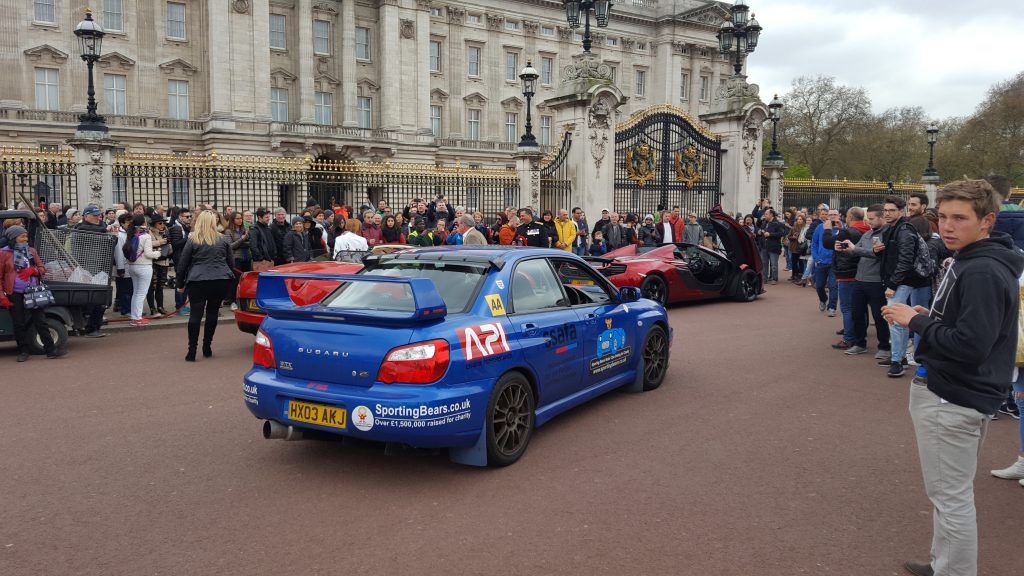
    As a dedicated group of motoring enthusiasts, varying from classic Ford Mustang owners to Lamborghini Aventadors owners, they all have one single aim; to raise as much money as possible to support children’s charities around the country.  The club was founded in 1989 and over this time they have raised over a staggering £1,800,000 whilst having a lot of fun along the way!

    This has all been accomplished through the club’s organised tours, fundraisers, social events and most noticeably Dream Rides. The club is divided into separate geographical regions, and here at the specialist vehicle insurance centre of A-Plan we are very proud to provide support wherever we can at car shows, events and of course insurance.

    The Supercar Siege is an event that takes place at various locations in the UK, and always delivers with the most amazing display of supercars for the public to see. One of last year’s locations was Brands Hatch, and welcomed 43 of Sporting Bears dream ride cars, ranging from a Marcos to a 458 Speciale and an F40! ‘Dream rides’ allows members of the public to take a spin in the car of their dreams, for a small donation to charity. The best part of the day was the drivers taking people out in their cars, actually on the famous race track! A total of £6013 was raised for the RNRMCF (Royal Navy and Royal Marines Children’s Fund).

    Most people are aware of the hugely successful BBC Carfest, a perfect family festival for every one of all ages to enjoy with a motoring twist. The weekend is filled with only the best food, live music, camping, car club displays, track shows and much more. Founded by Chris Evans 5 years ago the event has raised over £7.4 million for Children in Need. The bears are one of the most popular attractions, last year at Carfest alone they raised over a whopping £120,000 for Children In Need! Other than the ticket sales, the Sporting Bears Dream Rides are the biggest fund raisers in terms of donations.

    Those are just a few examples of the amazing things this charity does, enabling the members to enjoy their cars in some very unusual and exciting events whilst delivering 100% of every single donation straight to the charities.

    So where will the bears be heading to this year?

    BBC Carfest is not to be missed this year, it takes place on the 25th– 27th August at Laverstoke Park Farm (for the South Region) and will be held at Bolesworth Castle in Cheshire on 28th – 30th July (for the North Region).

    The Sporting Bears Dream rides will also be at Silverstone Classic Car Show on the 28th, 29th and 30th of July for the long bank holiday weekend!

    At A-Plan Insurance we are delighted to continue our support of this fantastic motoring club and look forward to seeing what they get up this year.  A list of all future events is on the Sporting Bears full website, so take a look and see where you can find them this year!

    By Kerry Harris of A-Plan Insurance


  • Introducing: Urban Automotive – modifier, customiser and creator of the Urban Truck

    Introducing: Urban Automotive – modifier, customiser and creator of the Urban Truck


    If you haven’t heard of Urban Automotive before, let me fill you in…

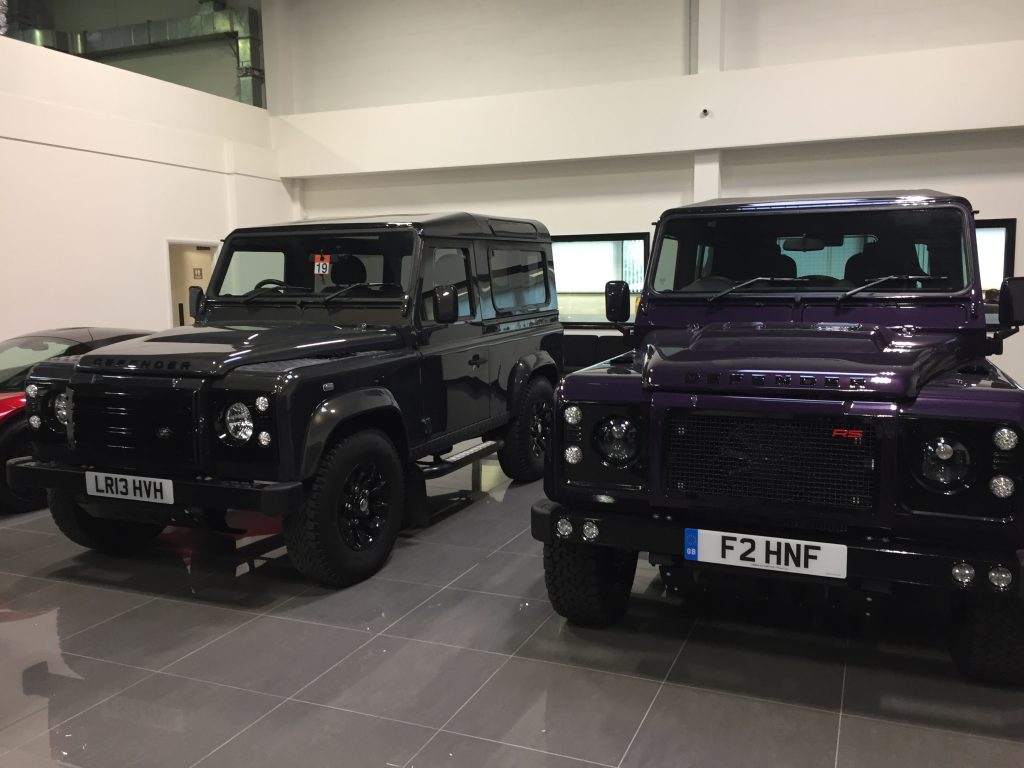
    This unique automotive dealer started just three years ago from a double garage at home and within that time has progressed into the impressive establishment it is today. The goal is to deliver distinctive modifications that are not only cost effective, but tasteful and completely individual. They provide the most personal and relaxed buying experience and are all experts in what they do.

    At A-Plan Specialist we are always keen to partner with businesses who provide bespoke motoring solutions to the enthusiast market, we understand insuring niche vehicles can sometimes be hard work, and we are here to make insurance easy!

    I paid a visit to their impressive operation in Milton Keynes and was lucky enough to speak to Lee, one of the founders of the company to find out a little bit more about what they’re up to.

    1) So Lee, where did the inspiration for the business come from?

    ‘Myself and Simon had worked in very different sectors previously and had come to a point where we wanted a change. Cars and modifications had always been a big hobby for us and it was this passion that led to starting an automotive business.’

    2)  And why did you choose Land Rovers?

    ‘We started with selling sports and performance cars previously known as Nurburg Ltd. This was proving to be difficult and saw how much companies were charging for modified Defenders so we decided to buy one and have a go. We researched all the parts existing modifiers were using and applied them to our own build. Working on a fair margin we were marketing the vehicle for considerably less than others and it sold within a week. We did this to a further two defenders which again sold instantly.  We contacted Land Rover and presented our vision. We were accepted for terms and Urban Truck was born. In January 2016, Land Rover Defenders ceased production and since then we have focused our attention to Land Rovers, Range Rover Sport and Range Rover Vogue. These now have their own uniquely designed Urban body kits.’

    3) What are the company’s main aims?

    ‘Our aim is always to design and produce bespoke aftermarket products which look and fit like they should have come out of the factory that way. Creating excellent long term relationships with both customers and suppliers is paramount to our success.’

    4) What is your favourite project you have done with Urban?

    ‘Recreating the Spectre edition defender from the Bond Film. We used all the genuine parts to replicate this and took it to Autosport International Show Birmingham in Jan 2017.

    5) Why do you recommend us at A-Plan over other insurance providers?

    ‘When we were being asked by customers who should I use for insurance because of the modifications, we previously had recommended companies who had approached us promising the world. “A seamless handover”, “instant quotes”, “fantastic customer service”, to mention a few quotes but not one delivered on these promises. Not until Clare from A-Plan approached us at Autosport and asked for a chance. We duly obliged and the feedback from customers has been great. Our clients receive the customer service we expect them to receive and A-Plan know as a business what Urban do.’

    6) What is your ultimate dream car?

    ‘1967 Shelby Mustang GT500 “Eleanor”.’

    7) What exciting things do you have coming up?

    ‘We are in the early stages of partnering with outlets in the US and Dubai who will fit and sell our products around the world.’

    8) This last question I’ve been dying to ask…You can chose any celebrity to design a vehicle for, who would it be and what would you create?

    ‘I think definitely for the next James Bond. Recreating the spectre edition Defender was great and designing and building a Range Rover SVR with all the gadgets and gizmos would be awesome.’

    You can meet the Urban Automotive team at Goodwood Festival of Speed on 29th June – 2nd July. Or if you feel like jetting off for the weekend they will be making an appearance at Essen Motor Show in Germany 2nd December – 10th December!

    Blogger: Kerry Harris, A-Plan Specialist

  • What’s in a house name? An Englishman’s home is his castle.

    What’s in a house name? An Englishman’s home is his castle.

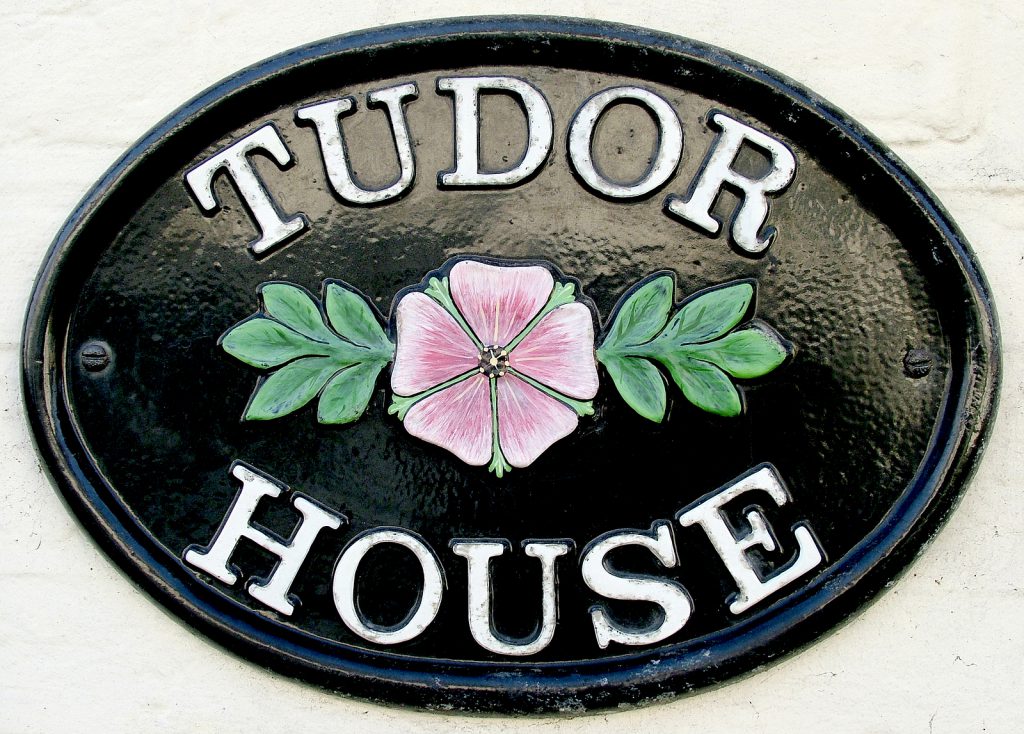
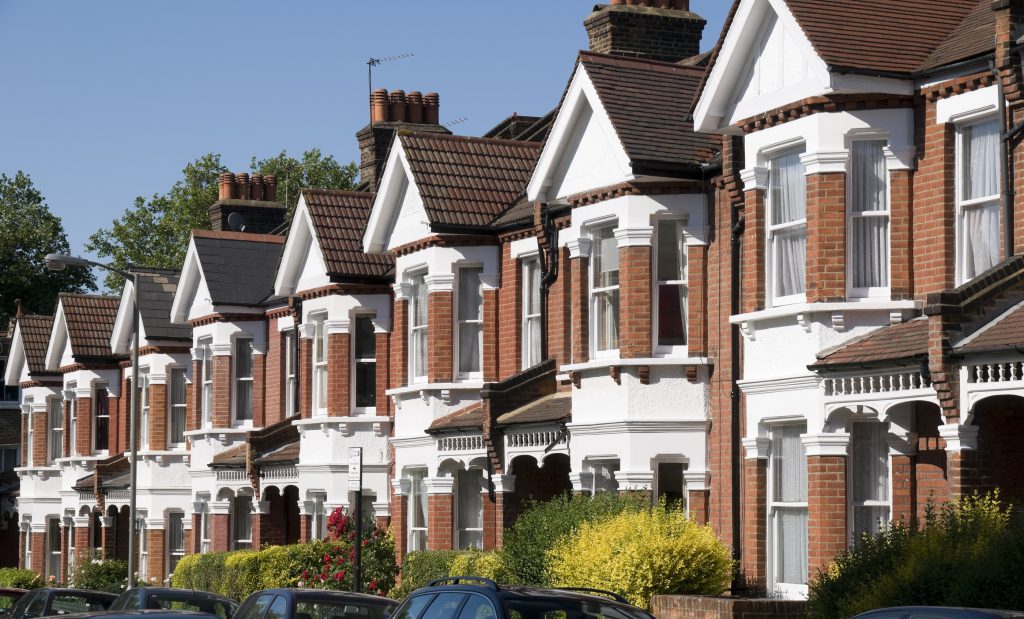
    House naming started many years ago with the wealthy naming their homes with grand titles such as Hall, Manor, Castle and Lodge, according to ancestry, location, and family titles: Norfolk House (Duke of), Belvoir Castle (overlooking the Belvoir Valley); Castle Drogo (named after a 13th ancestor) etc. Gradually, over the years, the wider population began to give names to their homes too.

    Street numbering was introduced by an Act of Parliament in 1765. Every house in a town and city now has a number followed by the name of the road it is in e.g. 26 Avebury Avenue. The number readily identifies the location of a property in a road and so makes it easier for the emergency services to find houses quickly. Odd numbers are usually assigned to the left side of the street and even numbers to the right, as they head out of town. However, having a house name on your property is still a popular thing – particularly in less urbanised areas of the country.

    In 2015, the Royal Mail analysed its database of all 29.5 million UK addresses to identify the 50 most popular house names.

    Orchard was found to be the most common house name in the UK. The name appeared on 11,894 homes across the country followed by Meadow (11,473) and Rose (11,308).

    It seems that when it comes to naming their homes, residents in the Norwich NR postcode district were particularly inspired by the greenery and open spaces surrounding them. The area had the highest concentrations of both Orchard (189) and Meadow (246).

    Flora and fauna also proved to be popular choices with spots three to six filled with garden favourites – Rose (11,308), Holly (8,131), Oak (8,032) and Willow (7,913).

    Books, TV shows and films make a number of appearances in the top 50 with Toad Hall from Toad of Toad Hall (496), Thornfield from Jane Eyre (311) and Highclere from Downton Abbey (188) all placing on the list.

    For homes named after mythical creatures, you should take a trip to Guernsey GY, Haslemere GU27, Norwich NR1 or York Y06/2 to see Bilbo Baggins home, Bag End, from the Hobbit (49) while the CT postcode in Dover and the YO postcode in Selby were the most popular places for Harry Potter’s famous school, Hogwarts.

    New cult TV shows Poldark and Game of Thrones have also made their mark on the housing landscape. Ross Poldark’s, Nampara cottage can be found on 116 addresses across the country while Game of Thrones abodes, Martell (73), Noble (92) and Bolton (76) have also gained popularity.

    The love of the royal family has resulted in regal namesakes featuring highly – Clarence (230), Sandringham (133) and Balmoral (67). Meanwhile, people in Doncaster DN, Guernsey GY and Holyhead LL65 (5 in each region) have been paying tribute to rock and roll royalty by using the house name for Elvis’s famous pad, Graceland.

    Whatever your house is called, make sure you protect it with the right home insurance. Give A-Plan a call today for a free, no-obligation review of your cover.

    [maxbutton id=”81″ url=”https://www.aplan.co.uk/home-insurance” ]

    Sources: Royal Mail, projectbritain.com

  • Christmas Opening Hours 2016

    Christmas Opening Hours 2016

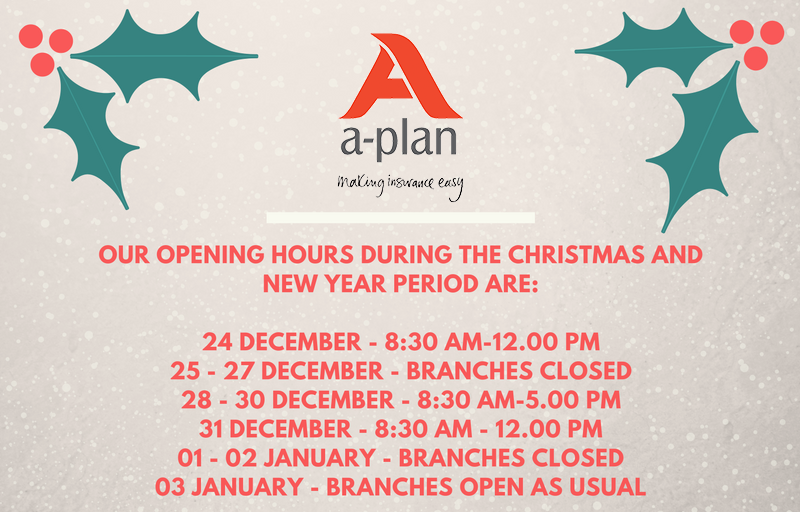
    Our opening hours during the Christmas and New Year 2016 period are:

    24 December – 8:30 am – 12.00 pm
    25 – 27 December – branches closed
    28 – 30 December – 8.30 am – 5.00 pm
    31 December – 8:30 am – 12.00 pm
    01 – 02 January – branches closed
    03 January – branches open as usual

    If you need to contact your insurer outside our opening times, you can find all the contact details listed on our out of hours claims page

  • Motor Insurance – FAQs

    1. How do I find my motor insurance policy details and documents?

    You can select to receive your policy documents by mail, collect them in person from your branch or you can opt to have them saved in an online portal to print whenever you need them. If you choose this last option, your branch will send login details by email. If you have any trouble logging in or have lost your login details, please get in touch with your branch who will be able to help.

    2. What is a No Claims Discount (NCD)?

    Sometimes also known as no claims bonus, a no claims discount provides a reduction in the premium based on the number of years that you have not claimed on the policy. The percentage discount increases each year (and can vary between insurers) and the maximum allowable is normally achieved at around 5 or 6 years, although some insurers do go beyond.

    3. How do I get proof of my No Claims Discount (NCD)?

    You will need to prove your no claims discount if you are taking up cover with a new insurer. This normally takes the form of a renewal notice from your current policy but can be issued separately when required, for example, if a policy is cancelled mid-term.

    Where you are a new client to A-Plan if you can provide us with your previous policy details (and the policy is not live), as part of the service we provide to our clients, we will endeavour to obtain this for you saving you the time and trouble.

    4. How do I update or make changes to my motor policy?

    Please contact your branch who will make the changes for you. If you have policies with more than one branch, you will need to contact each separately, however, if it is convenient to do so, we will transfer you across.

    Please do not wait until the renewal date of your policy to let us (or the insurer) know about any changes to the information that you provided as this could make your policy invalid if the insurer has not been notified.

    Examples of changes include (but are not limited to):

    • Change of vehicle
    • Change in place of work or study
    • Change of address
    • Change of occupation
    • Modifications to the vehicle
    • Change in use of the vehicle
    • Convictions (including any pending convictions or fixed penalty offences), accidents or DVLA-notifiable health issues relating to all drivers

    5. How do I cancel my motor policy?

    You have the right to cancel an insurance policy from us at any time. If you wish to cancel you should write to the branch that arranged your policy to advise them. They will talk you through the most economical way to do this and where possible to do so please return your Certificate of Motor Insurance. Providing there is no claim outstanding or paid in the current period of insurance, we will return the unused proportion of your premium, less any applicable charges. If your policy is paid on premium finance we will refund you any remaining amount once the outstanding balance has been settled to them. If there is a shortfall, we will contact you to arrange collection of the outstanding balance. Cancellation of the premium finance instalment plan does not cancel the insurance policy, which needs to be done separately.

    Cooling off period
    If within 14 days of receipt of your policy documentation you wish to cancel the policy, please let us know, returning the Certificate of Insurance if possible. Providing a claim has not been made, we will refund the premium paid, less any applicable charges.

    6. How do I make a motor insurance claim?

    We are here to help you with your claim and to act on your behalf. We will guide you through what can often be a difficult and stressful time and help make certain the insurer provides the responsive service you are entitled to expect. If you think you may need to claim, please let us know immediately.

    We will monitor the progress of your claim, and provide guidance to you where appropriate. Should there be any significant changes to your claim, we will notify you as soon as possible.

    7. If I claim on my car insurance under my windscreen cover, will my No Claims Discount be affected?
    As long as this claim is only for glass and there is no other damage, your NCD will not be affected.
    If you need to make a claim on your windscreen cover, please call 0800 197 5197.

    8. Does my policy cover me to drive other cars?
    Depending on your age and details, many (but not all) of our car policies will cover you to drive any other car (which must be insured separately, not hired to you or belonging to yourself) on a Third-Party Only basis. Please be certain to check your policy documents to see if you have cover in place before driving another vehicle or, if easier to do so, please speak to your local branch for advice. The ‘driving other cars’ extension does not apply to other vehicle types, such as vans, motorcycles or minibuses.

    However, if you regularly use another person’s car it may be worth getting added to their policy as a named driver.

    9. How do I send you documents, including my NCD?

    By email: Your branch can provide you with their email address to send

    By post: You can send the documents to your local branch in the post. Their details can be found here

    In person: The great thing about having a local branch is that you can drop in and see us at any time and hand documents to us in person

    If you have any other queries relating to sending in documents, please call your local branch

    For further information, please see our terms of business

    10. Am I covered for business use?
    In addition to social domestic and pleasure if you are using your vehicle for anything other than driving to a single place of work, you will almost certainly require business use. If this is the case or you are not sure that you currently have this cover, please contact your branch for advice. We will check and where needed make the change to your policy. If you do not have business use on your policy and have an accident whilst using for the vehicle for business you may not be covered.

    Note: if you are carrying passengers for hire or reward – something which is becoming more common with the rise of Uber and other ride-sharing apps – you’ll almost certainly need taxi insurance, which is different again.

    11. What is the difference between comprehensive, third-party fire and theft and third-party insurance?
    There are three levels of car insurance cover;

    • Third party
    • Third party, fire and theft
    • Comprehensive

    Third party – the minimum legal requirement. Third party insurance covers other people (third parties), but not you or your vehicle. If you injure someone or damage their property, they are covered but if your own car is damaged or stolen, vandalised or goes up in flames then you have to pay for the loss yourself. Glass cover is also not included.
    Third party, fire and theft – on top of the basics of third party cover, your vehicle will also be covered against fire or theft damage. Vandalism and Glass cover are not included.
    Comprehensive – the highest level of cover. On top of the basics of third party, and third party fire and theft covers, your vehicle will also be covered if you have an accident, even if the accident was your fault. In addition, glass cover is normally included.

    12. Can I temporarily add a driver to my insurance?
    When arranging your policy with us, you should list all drivers who have access to your vehicle, including your spouse, relatives and friends. Just because a friend has car insurance of their own, this doesn’t necessarily mean that they can drive your car. You need to check your policy details and Certificate of Motor insurance. If you want to add another driver to your car insurance permanently or temporarily, all you need to do is give us the details and in most cases we can add them to your existing policy.

    13. Can I drive abroad?
    A ‘Foreign use’ extension provides the same level of cover you have at home (i.e. comprehensive, their party fire and theft or just third party) when you drive your car abroad. You will need to check the details of your policy to see if you have this cover. However, even if you don’t, it may be possible to add this feature, so please contact us if you plan on driving abroad.

    14. What is an excess?
    An excess is the amount of the claim which you have to pay. For example, if your claim is for £500 and you have a £50 excess, your insurers will pay a maximum of £450 in settlement. The excess is normally paid to the garage upon completion of vehicle repairs; or in the event of the vehicle being damaged beyond economic repair, deducted from the settlement payment.

    15. What if I’m struggling to get car insurance?
    If you have a number of points on your licence or you have made many claims you may find it harder to get cover. The circumstances leading up to a serious motoring conviction can vary considerably, but the outcome still looks the same on your licence. The net result can be a driving record that increases your insurance costs for many years, often with unfavourable terms and conditions being applied and it can be a real challenge to find decent cover at an acceptable price. We have specialist quote facilities and can quite often help you find a better deal. Please get in touch with your branch for advice.

    16. I drive a company car. How can I best get insurance?
    Comparison sites often assume you own the car you’re trying to insure. However, many people drive a car owned by their employer, but have to insure and tax it themselves. That’s where we can help.

    A-Plan will listen to your needs and search a panel of insurers to find you the best deal. A qualified advisor will go through all of your individual requirements to ensure you get the right policy at a competitive price.

    17. I have more than one car that I want to get insured. Can I get a discount?
    ‘Multicar’ Insurance can provide a cost-effective method to insuring more than one vehicle.

    Our dedicated team of specialists can help you explore the best approach of insuring your vehicles and establish if multicar insurance is more cost effective for you. Your personal requirements will be reviewed to ensure that you get the right policy at a competitive price.

    18. Can I let a learner driver use my car to practice?
    Learner drivers are often added to parents’ or friends’ car insurance as an additional driver which can put up the cost, and put no claims bonus at risk. At A-Plan, our Learner Driver Insurance ensures that any claim is made against the learner driver’s policy, not your own motor insurance. What’s more, the excess on our Learner Driver cover is generally much lower than on standard car insurance for learner drivers. Once your learner has passed their test, we can also help with insuring their own vehicles.


  • Avoiding Vehicle Repair Scams

    Avoiding Vehicle Repair Scams

    Car maintenance is an essential part of owning a vehicle, but getting ripped off at the garage should not be. So, to ensure that you get an honest, fair deal from your mechanic, be aware of these 6 common vehicle repair scams and follow these 4 best practices:

    Common Motor Vehicle Repair Scams

    1. Misfuelling: Garages can quote thousands to flush the system after misfuelling (petrol in a diesel vehicle and vice versa) has occurred, but in actuality, it is generally a simple process. For petrol cars that have been filled with diesel, all that’s necessary is to drain the petrol and flush the system. However, if you fill your diesel car with petrol, this can be a more costly mistake.
    2. Engine Flush: You will only need an engine flush if you’ve been driving the car for several years and notice a buildup of greasy material under the oil cap. If a mechanic says you need a flush because your oil is “dirty” he is probably lying!
    3. Invalidating the warranty: Garages will claim that your warranty will become invalid if you use an independent garage. This isn’t the case if that independent garage still uses manufacturer standard parts.
    4. Offering a free motor vehicle health check: Garages recommend unnecessary repairs—such as tyre changes, brake pad replacements and other minor repairs—after conducting a free inspection.
    5. Recommending a more expensive, premium engine oil: Garages will recommend that motorists opt for the more expensive, premium engine oil. But, it may not be necessary, and you may not even notice a difference.
    6. Claiming that additional repairs need to be done: Similar to the free health check scam, garages will recommend that motorists have additional work done on their car after the garage has finished basic maintenance.

    Best Practices

    1. Research different garages to ensure that they provide high-quality work and offer fair prices. Be sure to check review sites. In addition, you should verify that the garage is an industry-recognised garage and that they have signed up to the Motor Industry Codes of Practice (you can find one using the search facility on their website).
    2. Ask for a written estimate before agreeing to any vehicle repairs, and consider a second opinion from a different garage. Make sure that the quote includes all parts, labour and VAT.
    3. Verify that any new parts and workmanship come with a guarantee.
    4. Keep a record of all the maintenance performed on your vehicle.

    For further advice on motor vehicle and driver risk management, please contact your A-Plan branch

  • Landlords’ insurance – the importance of proper cover

    Landlords’ insurance – the importance of proper cover

    As a residential landlord, you have a variety of obligations. These include keeping rental properties safe and free from hazards, ensuring all supplied gas and electrical equipment is properly installed and maintained, complying with fire safety regulations, providing an Energy Performance Certificate as well as a number of financial and legal requirements such as having appropriate landlords’ insurance.

    Safe and Free from Hazards

    Landlords in the UK are required to keep their rented properties safe and free from hazards. This entails keeping the structure and exterior safe and in good working condition, including drains, gutters and external pipes. Installations for the supply of water, gas, electricity, heating and sanitation measures should also be kept in good repair and working condition. It is also best practice to provide operating instructions and user warnings for supplied appliances and equipment.

    Gas Requirements

    Landlords are required by the Gas Safety (Installation and Use) Regulations 1998 to make sure that all supplied gas appliances, fittings and flues are maintained in a safe condition according to manufacturer’s instructions. Every 12 months, a gas safety check must be conducted by a Gas Safe Registered Engineer on each gas appliance, fitting or flue to ensure they are safe to use. Safety check records must be kept for at least 2 years and a copy must be given to existing tenants within 28 days of the check. New tenants are entitled to a copy of the check before moving in.

    Electrical Equipment

    Landlords are required to ensure that electrical installation in their rented property is safe when tenants move in and maintained in as safe condition throughout its duration.

    To stay compliant, landlords should regularly conduct a visual check on all electrical systems and appliances. Create a checklist that shows how often each piece of electrical equipment should be inspected, and include space to record the results. Electrical equipment should be tested frequently by a qualified electrician to ensure there is little chance the equipment will become dangerous between inspections. Using a qualified electrician can help you stay up to date on any changes with electrical regulations. Adjust the frequency of checks based on the number and severity of issues found.

    Fire Safety Regulations

    Landlords must also comply with all fire safety regulations, including Part 1 of the Housing Act 2004, the Regulatory Reform (Fire Safety) Order 2005 in England and Wales, the Fire (Scotland) Act 2005 in Scotland, and the Fire Safety (NI) Regulations 2010 in Northern Ireland. Fire risk assessments should be conducted and reviewed periodically. Access to escape routes should be carefully planned out and monitored. Since 1st October 2015, the Smoke and Carbon Monoxide Alarm (England) Regulations require private sector landlords to have at least one smoke alarm installed on every storey of their properties and a carbon monoxide alarm in any room containing a solid fuel burning appliance. Landlords must also make sure that the alarms are in working order at the start of each new tenancy.

    Energy Performance Certificate

    An Energy Performance Certificate (EPC) is required whenever a property is built, sold or rented. The certificate assigns the property an energy efficiency rating from A (best) to G (worst) and is valid for 10 years. Landlords in Scotland are required to display the EPC on the property itself.

    Financial Responsibilities and Landlords Insurance

    You are required to check that your tenants have the right to rent your property (if it’s in England) and you will also need to protect your tenants’ deposits in a government-backed scheme through independent third parties.

    Landlords need to pay income tax on rental income (excluding day-to-day running expenses) and, if letting property is your business, Class 2 National Insurance contributions will also need to be paid. Correct insurance cover is vital and a regular home insurance policy will not be adequate – you will need to take out proper landlords’ insurance.

    A-Plan has specialised in landlords’ insurance for many years and we work with a panel of leading insurers in this sector. It means we can offer you plenty of choice and very competitive prices. We also have a swift and efficient claims process, ensuring minimum disruption to your tenants and reducing the potential strain on your cashflow.

    For further advice on landlords’ insurance, please get in touch with your nearest branch.

    You can also get advice on your responsibilities as a landlord here.

  • How motoring convictions affect car insurance

    How motoring convictions affect car insurance

    Driving offences in the UK typically incur penalty points, which are added to the driver’s record once he or she is convicted of that offence. These act as a deterrent and, if you reach a maximum of 12 within a 3-year period, can result in a driving ban. Some more serious offences can mean an instant driving disqualification. Motoring convictions will also lead to higher insurance premiums.

    Most minor motoring offences are worth 3 points and/or a fine. According to government figures, there are over 9.2 million people in the UK with criminal convictions for driving and one in 3 men have had a conviction by the age of 53. However, few of us are fully aware of our legal obligations with regards to convictions when taking out car insurance and the information that we need to disclose.

    It is important to remember that insurers rely on information given to them at application and renewal. When a claim is made, this information will be checked. Failure to have disclosed convictions can invalidate your insurance policy.

    Penalty points for speeding are usually between 3 and 6 points, with fines reaching a maximum of £2,500. Other common offences are drink driving, “distraction offences” such as using a mobile phone and eating behind the wheel, and failing to stop after an accident. Lastly, around 2 million motorists drive every year in the UK without proper insurance. Driving bans are not uncommon for this offence and 6-8 penalty points can also be applied to a licence.

    It is important, however, to remember that not all insurance companies handle motoring convictions in the same way. It is a good idea to seek advice from a broker and to ask them to shop around for you. If you let us know about your motoring conviction, A-Plan will help find the best cover at the best price. Moreover, we can help find you insurance following more serious motoring convictions. For example, we have specialist drink driving insurance quote facilities and discounts can be provided following the completion of a rehabilitation course.

    Please get in touch with your branch for more information.

    Sources: Motor Direct; www.nopenaltypoints.co.uk; Unlock

  • Barbecue & fire safety

    Barbecue & fire safety

    Finally it’s barbecue season!

    A barbecue should be a safe and enjoyable experience but it’s all too easy to be distracted when you have friends and family around you whilst cooking. According to ROSPA, the last time figures were collected through the Home and Leisure Accident Surveillance System (HASS/LASS), in 2002, an estimated 1800 people visited A&E in the UK having had an accident involving a barbecue.

    The most common types of barbecue-related accidents as shown by the HASS/LASS figures were:

    • Burn/scald/other injury related to fire or flame – 800
    • Cut/tear by sharp edges – 200

    To avoid injuries or damage to property, follow these simple precautions:

    General Safety
    • Make sure your barbecue is in good working order.
    • Ensure the barbecue is on a flat, stable site, well away from a shed, overhanging trees or shrubs, fences and garden furniture.
    • Keep children, garden games and pets well away from the cooking area.
    • Never leave the barbecue unattended and never light it an enclosed space.
    • Keep a bucket of water or sand nearby for emergencies.
    • Ensure the barbecue is cool before attempting to move it, particularly any metal parts.
    • Make sure the barbecue is fully extinguished before you leave it.

    Charcoal Barbecues
    • Use only enough charcoal to cover the base to a depth of about 50mm (2 inches).
    • Only use recognised fire lighters or starter fuel and only on cold coals – use the minimum necessary and never use petrol, paraffin or another accelerant.
    • Never put hot ashes straight into a dustbin or wheelie bin – they could melt the plastic and cause a fire.
    • Disposable barbecues should be placed on an even surface, either on bricks or paving slabs

    Gas Barbecues
    • Make sure the tap is turned off before changing the gas cylinder.
    • Change cylinders outdoors if possible or in a well ventilated area.
    • If you suspect a leak to the cylinder or pipe work, brush soapy water around the joints and watch for bubbles – tighten to fix but do not overtighten.
    • After cooking, turn off the gas cylinder before turning off at the controls to ensure any residual gas in the pipe work is used up.

    Fire Safety in the Countryside
    Every year fire is responsible for the destruction of thousands of acres of countryside, open spaces and wildlife habitat. Particular care needs to be taken in hot, dry weather. Some fires are started deliberately but by following a few simple precautions, many others can be prevented:
    • Dispose of smoking materials properly and make sure they are completely extinguished.
    • Don’t leave camp fires or barbecues unattended and extinguish them properly after use.
    • Clear away bottles, glasses and any broken glass to prevent them magnifying the sun’s rays and starting a fire.
    • Explain to children the dangers of playing with lighted fires.
    If fire breaks out, call the Fire & Rescue Service immediately. When specifying your location, mention any landmarks – perhaps a church or pub – and if phoning from a phone box, stay nearby so you can direct the fire appliances to the scene.
    Don’t attempt to fight the fire yourself unless it is very small – grass and crop fires can travel very quickly.

    Be Carbon Monoxide Aware
    Never use fuel-burning devices (e.g. disposable barbecues, camping stoves, camping heaters, lanterns, and charcoal grills) inside a tent.
    Using these indoors can cause Carbon Monoxide (CO) poisoning.
    They give off fumes for hours and hours after you have used them – levels high enough to result in CO poisoning.
    To avoid hazardous CO exposures, fuel-burning equipment should never be used inside a tent, camper, or other enclosed shelter.
    Fuel-burning equipment can include:
    •camping stoves
    •camping heaters
    •lanterns
    •charcoal grills
    •disposable barbecues
    Opening tent flaps, doors, or windows is insufficient to prevent build-up of CO concentrations from these devices.
    Also, when using fuel-burning devices outdoors, the exhaust should not vent into enclosed shelters.

    Building an open fire
    • Never build a fire where the soil is of peat.
    • Build it well away from any tents – especially in windy weather (at least 10 metres).
    • Clear the area of grass, leaves and brush away to form a circle of earth around the fire.
    • A fire stack should be made so that it will collapse inwards when burning.
    • Do not leave the fire unattended and watch for flying embers or sparks.
    • Make sure you extinguish the fire before going to bed or when you leave.

    Sources: www.fireservice.co.uk ; www.rospa.com ; www.cheshirefire.gov.uk